7 Creative Service Dog Fundraising Ideas | Nonprofit Point

Editor’s Note — Updated May 2026. Our team reviews nonprofit and fundraising guides quarterly, cross-referencing program details against Charity Navigator, CharityWatch, GuideStar/Candid, and BBB Give.org — and we publish program or naming updates within 7 days of verified changes. Spotted an outdated name or broken link? Email team@nonprofitpoint.com and we’ll correct the record.
Service dogs are highly trained animals who assist people with disabilities in almost every way. These amazing animals can help individuals with visual impairments, hearing impairments, mobility issues, and many more things.
These dogs can help people with disabilities go places they may not be able to go alone or when they need it most. Fundraising is essential for any nonprofit organization, but it can be daunting. Ideally, you would want to fundraise as much money as possible without sacrificing the integrity of your organization and its mission.
That being said, creative service dog fundraising ideas are necessary if you want to raise significant money for your organization. Whether or not you have an established nonprofit organization or are just getting started with your service dog fundraising efforts, here are some creative fundraising ideas for service dogs:
1. Host a Service Dog Meet & Greet
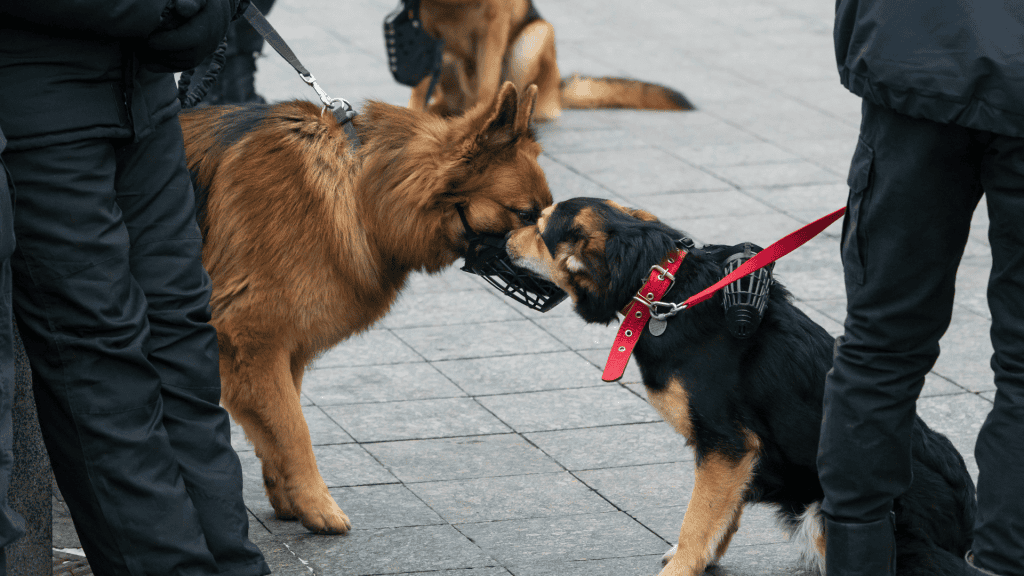
If you can partner with an organization that specializes in training service animals, consider co-hosting a meet and greet with their animals. This is a great way to raise awareness about your organization and generate revenue simultaneously.
You can host this event at your organization’s facility, a public area, or a place of business. Wherever you choose to host this event, make sure you have appropriate space for the dogs to interact with guests.
One idea would be to charge a small fee to attend the meet and greet. All the money you make can go to your organization or be put towards fundraising activities. You can also charge an admission fee and donate all the proceeds to your cause.
2. Service Dog Photo Booth

Holding a service dog photo booth is one way to help raise funds for a service dog organization. People can pose with their service dogs in fun, creative ways in front of a backdrop or digitally in an edited photo. Then they can take home prints and donate to the organization that provided the service dog! After a successful event, people can also use the photos as mementos or share them on social media.
To help you hold a successful photo booth, ensure a good setup where your dog can feel comfortable. You’ll want to give him treats and toys to keep him entertained and engaged. You might also consider some props for your dog (e.g., a bow tie, sunglasses, etc.).
You should also plan ahead and prepare for how you will store the photos afterward. For example, if you are using digital editing software like Adobe Photoshop or Lightroom, you’ll need to be sure that your computer has enough free space on its hard drive before you begin editing.
3. Have a Service Dog Scavenger Hunt
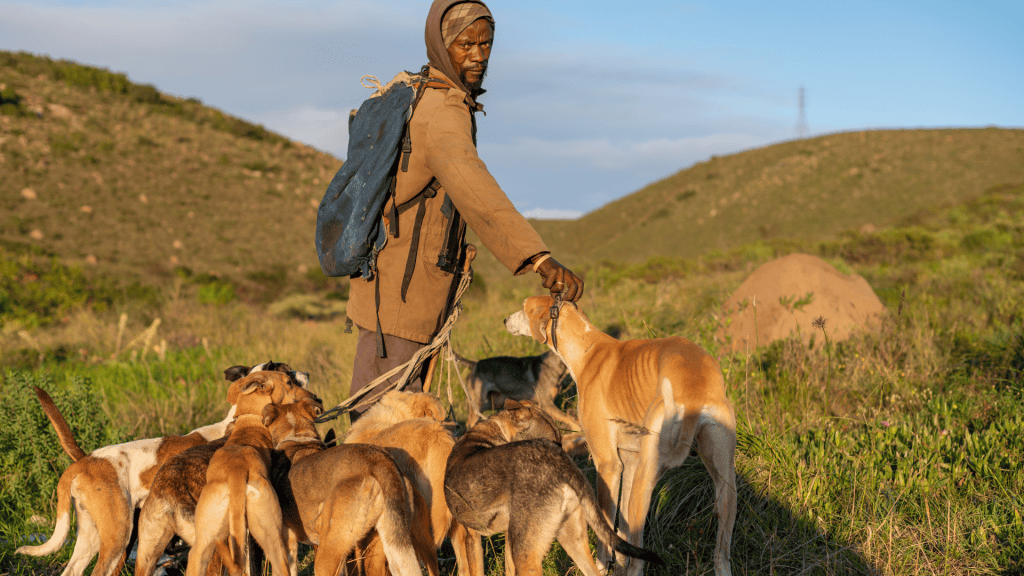
One way to raise money for a cause is to have a Service Dog Scavenger Hunt. This is where participants search for items that service dogs can use to complete their jobs. For example, suppose you want to raise money for a charity that helps veterans. In that case, you can organize a scavenger hunt with items like dog tags, military medals or patches, and other paraphernalia from the veteran’s service.
You can also set up a scavenger hunt with items like remote control cars and toy trucks for kids with disabilities. So long as the items are safe for service dogs, there is no limit to what you can use!
But be aware that this type of fundraiser is an all-or-nothing proposition. You don’t get any raised funds if you don’t raise enough money. So be sure to set realistic goals and make certain people know how much they need to donate to participate.
4. Sell Smelling Products Made by Your Canine Companions
If you have trained service dogs specializing in detection, consider making scented products and selling them at your organization’s facility or have a pop-up shop where you sell the items to the public. You can sell these products on the internet or at local flea markets, farmers’ markets, and other places where people gather.
You can make all sorts of products. This is a great way to fundraise for your organization while raising awareness. This can be a great way to make some extra cash, but check local zoning laws and other regulations before selling the items.
5. Throw a Service Dog Carnival

A Service Dog Carnival is a fun and easy way to raise money for your organization. It can be held at a local fairground or park and is a great opportunity to engage the community. Participants pay an entry fee and can choose their own service dog from one of the participating booths.
The chosen service dog will board with the participant and follow them around while running errands, visiting friends, or attending school. The money raised from the carnival goes directly to your organization’s fundraising goal.
6. Hold a service dog adoption day
If you have trained service dogs ready to be adopted, consider holding a service dog adoption day and inviting the public to come to your organization’s facility and meet the dogs that are up for adoption.
This is a great way to raise awareness about your organization and have people meet the dogs that need homes. This event can be a one-time event or multiple times throughout the year. Inform the public that people with proper certification will only adopt dogs.
7. Host a service dog fashion show
Hosting a fashion show for your service dog organization is an excellent way to raise money. Not only do you have the opportunity to showcase dogs in various outfits, but you also get to raise awareness about the needs of disabled people and the work that service dog organizations are doing.
While there are many different ways to host a fashion show, here are a few tips you should keep in mind:
Keep your event simple. The more time-consuming the event, the more it will cost. Make sure you have enough volunteers to make things run smoothly. Also, ensure enough seating for everyone who wants to attend the event.
Plan ahead, so you know what kind of outfits and accessories will be available when it comes time for people to register for the show. Also, ensure adequate signage is in place, so people know where the event is being held and when it will begin.
Fundraising ideas matter most when a program has asked you to raise a set sum toward your own dog. Our guide to charities that help with service dogs names the organizations that do exactly that and the amounts they ask for, alongside the ones that place a dog at no cost at all.
Final Thoughts
Service dogs are wonderful animals who help many people with their daily lives. Not only do they assist their owners with medical issues, they also help them feel more confident in their everyday lives by opening doors, warning of danger, and performing other tasks. Because these animals are so helpful, they also have the potential to bring in a significant amount of money for nonprofit organizations.
Service Dog Fundraising FAQs
How much can a service dog fundraiser realistically raise per recipient or program?
Most service dog fundraising campaigns raise $15,000–$45,000 per individual-recipient campaign and $85,000–$650,000 per organization-level annual campaign, with the spread driven by recipient-specific story strength, peer-fundraising network depth, and whether the campaign targets a single placement or a broader training-program operating budget. Single-individual recipient campaigns (fundraising for one specific person's service dog placement, typically covering a $15,000–$45,000 trained-dog placement fee, owner-handler training program, equipment, and first-year support) consistently raise $15,000–$50,000 through structured 3–9 month campaigns when peer-to-peer-fundraising networks of 200–800 supporters are engaged. Mid-tier organization-level campaigns (annual fundraising for service dog training programs, typically $85,000–$285,000 covering breeding-and-puppy-raising costs, professional trainer staff, training-facility operations, and 2–5 annual placements) require year-round multi-channel fundraising programs combining peer-to-peer campaigns, grant applications, sponsorship programs, and individual major-donor cultivation. Premium signature service-dog organization campaigns (large national service-dog organizations like Canine Companions, Guide Dogs for the Blind, NEADS, Paws With A Cause, Guiding Eyes for the Blind, Leader Dogs for the Blind, and Southeastern Guide Dogs) operate at $5–$45 million annual revenue scale with diversified revenue from individual donations, foundation grants, corporate sponsorships, planned giving, and earned-revenue programs like puppy-raising programs. The single biggest revenue lever for individual-recipient campaigns is story-and-narrative quality combined with peer-fundraising network depth — campaigns that achieve 200+ active peer-fundraisers consistently raise 4–8x more than campaigns that rely on the recipient or family as the only fundraising voice.
Which service dog organizations should we partner with, and how do partnerships work?
Service-dog organization selection is one of the most consequential decisions in the campaign because the partnership shapes the placement-cost expectation, training-program quality, waitlist duration, recipient-eligibility requirements, and ongoing handler-team support. Five partnership-decision factors to evaluate: (1) accreditation status with Assistance Dogs International (ADI) or International Guide Dog Federation (IGDF) — ADI accreditation is the primary industry quality standard for service-dog and assistance-dog organizations, with rigorous standards for training methodology, dog welfare, placement-and-follow-up support, and organization governance; IGDF accreditation is the parallel standard for guide-dog organizations serving people who are blind or have low vision; ADI-or-IGDF accredited organizations consistently produce higher-quality placements with longer working-life duration than non-accredited operations; (2) specialization alignment with recipient need — service-dog organizations typically specialize in specific disability-population focus areas: Canine Companions (mobility, hearing, facility-dog, skilled-companion placements for adults and children), Guide Dogs for the Blind and Leader Dogs (visual impairment), NEADS (deaf, physical disability, autism, PTSD service dogs), Paws With A Cause (mobility, hearing, seizure-response, autism), Guiding Eyes for the Blind (visual impairment), Southeastern Guide Dogs (visual impairment, PTSD service dogs for veterans), 4 Paws For Ability (autism, mobility, seizure-response service dogs for children), and dozens of regional and disability-specific organizations; the specialization match between recipient-need and organization-focus determines placement quality; (3) placement-cost-and-fundraising-model structure — service-dog placement-cost structures range from $0-to-recipient (organization-funded placements with no recipient fundraising requirement, typical of large-grant-funded organizations) to $0-to-recipient-with-recipient-fundraising-encouraged-but-not-required (partial-fundraising-partnership model) to $15,000–$45,000 recipient-fundraising-required (full-fundraising-model typical of smaller and specialty organizations); (4) waitlist duration and application-process complexity — service-dog waitlists range from 6 months (rare, for specialty programs with available trained dogs) to 5+ years (typical for major guide-dog and mobility-service-dog organizations); the waitlist-duration affects campaign timing because fundraising during pre-placement waitlist allows broader campaign duration; (5) post-placement support quality — organizations vary significantly in handler-team training duration (typically 2–4 weeks of intensive on-campus team training), follow-up support frequency, working-life renewal-and-replacement programs, and ongoing handler-team development; the post-placement support shapes whether the placement produces 8–12 year working life or becomes a year-1-or-2 washout. Confirm partnership terms in writing before launching public fundraising and align campaign messaging with organization-approved language and brand.
How do we structure a service dog peer-to-peer fundraising campaign?
Peer-to-peer fundraising structure is the operational variable most-correlated with revenue outcomes for service-dog campaigns because individual donors who connect to the recipient through trusted peer networks consistently donate at 2–5x the per-donor amount of cold-outreach donors. Five operating rules: (1) build the peer-fundraiser team through structured recruitment 3–6 months before public campaign launch — target 25–75 named peer-fundraisers across the recipient's family, friend, professional-network, and community-affiliation circles, with explicit recruitment communication describing the campaign goal, individual peer-fundraiser commitments (typically $500–$2,500 per peer-fundraiser from their personal network), and recognition and acknowledgment programs; the peer-fundraiser team consistently produces 65–85 percent of total campaign revenue across documented programs; (2) provide every peer-fundraiser with a structured personal-fundraising toolkit — the recipient's story in 3–5 length-variations (30-second elevator pitch, 200-word social-media post, 500-word email message, 1500-word blog or letter format, video script), a personal-fundraising page on the campaign platform (GoFundMe, Classy, Givebutter, Mightycause), social-media content calendar with weekly posting suggestions, sample-ask scripts for in-person and direct-outreach conversations, and recognition tracking; the toolkit investment consistently produces 35–55 percent higher per-peer-fundraiser revenue versus self-directed peer-fundraising; (3) execute a structured weekly peer-fundraiser cadence with explicit milestone-and-recognition programming — weekly leaderboard updates, top-peer-fundraiser recognition, milestone-celebration content (first $1,000, halfway-to-goal, final-week countdown), and personal-thank-you communication from the recipient to every peer-fundraiser; the engagement cadence prevents the common pattern where peer-fundraisers commit at launch then fade after week 2; (4) plan a 6–9 month structured campaign duration with 3–5 distinct campaign phases — phase 1 (months 1–2) peer-fundraiser recruitment-and-onboarding, phase 2 (months 2–4) inner-circle and family-network fundraising launch, phase 3 (months 4–7) broader-network and community-campaign expansion, phase 4 (months 7–9) final-push and goal-completion programming, and recognition-and-celebration close; the structured-phase model maintains peer-fundraiser-cohort momentum and produces 35–55 percent higher total revenue than ad-hoc campaign timing; (5) leverage in-person events as peer-fundraising acceleration moments — community events (run-walk events, golf tournaments, gala events, restaurant-night events, music or talent events) where peer-fundraisers can convert their personal-network contacts into in-person engagement and immediate fundraising acceleration; the in-person events consistently produce 25–45 percent campaign-revenue acceleration in the immediate post-event 30-day window. Avoid: launching public campaigns without peer-fundraiser team recruitment (loses 65–85 percent of revenue potential), skipping peer-fundraiser toolkit investment (loses 35–55 percent of per-peer-fundraiser revenue), short campaign durations under 4 months (caps per-peer-fundraiser revenue contribution), and skipping recognition-and-acknowledgment programming (loses 35–55 percent of next-campaign peer-fundraiser retention).
What grants, sponsorships, and supplemental revenue sources support service dog placements?
Service-dog campaign revenue should not depend exclusively on peer-to-peer fundraising because grant, sponsorship, and supplemental revenue sources consistently contribute 25–55 percent of total placement-cost when systematically pursued. Five supplemental revenue categories: (1) disability-and-veteran-services foundation grants — specialty foundations focused on disability services and veteran services (Wounded Warrior Project, Disabled American Veterans, Veterans of Foreign Wars, American Legion, Paralyzed Veterans of America, Christopher and Dana Reeve Foundation, National MS Society, Epilepsy Foundation, Autism Speaks, March of Dimes regional chapters); typical grant ranges $2,500–$25,000 per award with structured application processes typically requiring 90–120 day pre-decision timelines; particularly relevant for veteran-recipient and specific-disability-population campaigns; (2) corporate-sponsorship partnerships — local-business sponsorships (typically $500–$5,000 sponsorship-tier structures with brand-recognition benefits including event-sponsor signage, social-media acknowledgment, and program-materials brand inclusion), regional-business sponsorships ($2,500–$25,000 tier structures), and national-corporate-sponsorship partnerships ($10,000–$250,000 partnership programs typically requiring established-organization relationship development); particularly effective for community-based campaigns with strong local-business network connections; (3) civic-organization grants and partnerships — local Rotary, Kiwanis, Lions Club, Elks Lodge, Knights of Columbus, Optimist Club, and Junior League chapters with structured local-grant programs typically awarding $500–$5,000 per recipient with quarterly-or-annual application cycles; civic-organization grants particularly support disability-services causes and consistently fund partial-placement-cost contributions; (4) faith-community partnerships and church-based fundraising — faith-community partnerships with the recipient's home congregation or related-affiliation congregations frequently produce $2,500–$15,000 per partnership through structured congregation-wide special-collection programs, designated-fundraising-event partnerships, and individual congregant peer-network contributions; the faith-community partnerships particularly produce strong year-over-year recurring-relationship support; (5) earned-revenue and event-based supplemental programs — restaurant-night partnerships (15–25 percent of designated-night sales donated, $500–$3,500 typical per night), in-person event partnerships (run-walk events, golf tournaments, gala events, music or talent events with sponsorship-plus-attendee-revenue structure typically raising $5,000–$25,000 per event), product-sales partnerships (t-shirts, wristbands, themed-merchandise programs typically raising $1,500–$8,500 per cycle), and supporter-purchase-back partnerships with retail-business partners. The combined supplemental-revenue programming, executed systematically alongside peer-to-peer fundraising, consistently produces 25–55 percent of total placement-cost in supplemental revenue while reducing the per-individual-supporter ask required from the peer-fundraiser network.