Bake Sale Fundraiser Ideas & Step-by-Step Guide (2026)

Editor’s Note — Updated May 2026. Our team reviews nonprofit and fundraising guides quarterly, cross-referencing program details against Charity Navigator, CharityWatch, GuideStar/Candid, and BBB Give.org — and we publish program or naming updates within 7 days of verified changes. Spotted an outdated name or broken link? Email team@nonprofitpoint.com and we’ll correct the record.
When trying to raise money for your school, church, or non-profit organization, you may think that the best way to do that is with a bake sale. While a bake sale involves baked goods, it’s much more than just selling cookies and brownies.
It’s about getting your community involved and coming together as one voice to support a common cause. And because most people love baked goods, they will also be willing to support you and donate money!
But running a successful bake sale fundraiser requires careful planning and time. You must have the right location, pricing strategy, and marketing plan before selling those pies.
Here’s an actionable guide on running a profitable bake sale fundraiser:
- Set Up a Location
- Decide On Pricing
- Choose What to Bake
- Plan Your Menu
- Plan Your Marketing Strategy
- Bake Goodies That People Want To Buy
- Setup Online Bake Sale Fundraiser
- What You Need to Know Before Hosting a Bake Sale
- What are the best-selling baked goods you should sell?
- How to effectively advertise your fundraiser
- Tips to help make your bake sale fundraiser even more profitable
- Wrap up: Bake Sale Fundraiser Checklist
- Final Thoughts
Set Up a Location
The first thing you need to do is find a location for your bake sale. Find a spot that’s convenient for everyone in your community to access. If your bake sale is at a park, it may be inconvenient for some people who have trouble walking to get there.
A school cafeteria or outdoor field will probably be the best place for you to host your bake sale. You’ll want to create a banner or poster that advertises your bake sale so that people can see it as they walk past.
You can also have a person there (maybe a parent or teacher) who can help answer people’s questions and inform them about your cause.
Decide On Pricing
Price your goods at a low price to sell, but also high enough that you’re not losing money on them. You don’t want to overprice yourself from a sale, but you also don’t want to sell your goods so cheap that you’re giving away money.
You want to consider the cost of the ingredients, the time spent making the goods, the overhead cost of hosting your bake sale, and what other similar bake sales are charging in the area. If you’re hosting the bake sale at a school, you may consider what the school charges for items at their snack shop.
If you’re hosting the bake sale at a church, you may want to charge what the church charges for their bake sale items.
Choose What to Bake
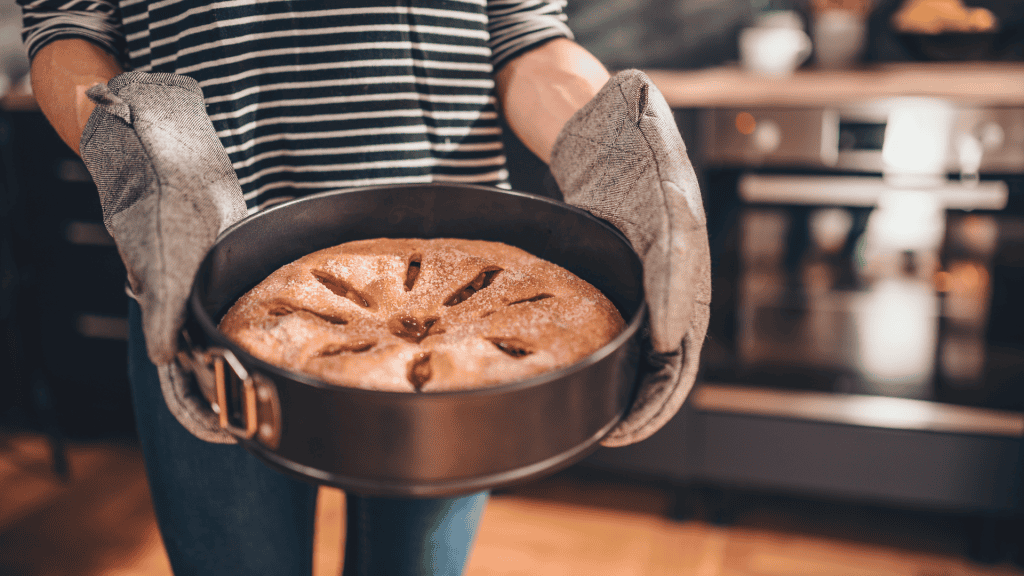
The real art in a bake sale is choosing the right desserts everyone likes. If you want to make sure you have a successful bake sale, avoid making things like cinnamon rolls, cookies, and brownies.
While these are great, they’re usually the top sellers at every bake sale, which makes them less special. Instead, consider baking something more unique, like pineapple upside-down cake, lemon bars, or apple cranberry crumble.
If your bake sale is themed, you can also incorporate that into your selection. For example, if you’re holding a bake sale for a Star Wars event, you can make themed treats, like R2-D2 cupcakes, C-3PO sugar cookies, and galaxy brownies.
Plan Your Menu

Having a menu of baked goods is a great way to get people to buy more than just one item. If you offer a few choices, they can buy a variety and get more bang for their buck.
You can also offer combo deals (like buy one item and get another at half-price) to get people to buy more than they normally would. While you might make less on each individual item, you’ll have more overall sales.
Plan Your Marketing Strategy

To get people to your bake sale, you need to market it! Make posters, send emails to people in your community, and get your teachers to spread the word to their students.
Let people know what date and the time your bake sale will take place. People will show up for baked goods, but you’ll miss out on sales if they don’t know about it.
Create a hashtag for your bake sale so you can track how many likes it has and see how far it reaches.
Having compelling captions can also go a long way in your marketing strategy on Instagram
Bake Goodies That People Want To Buy
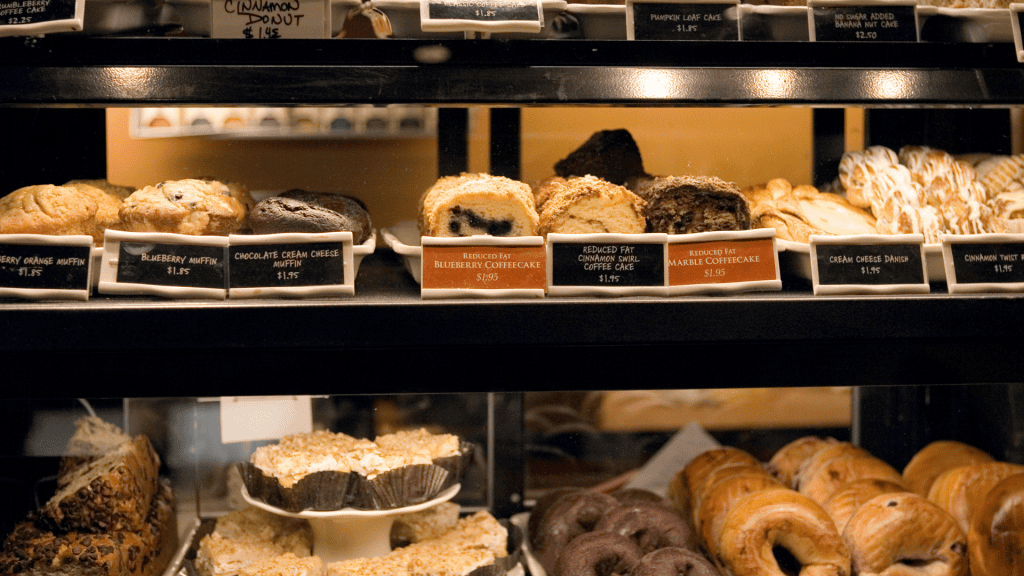
You also want to make sure your baked goods are delicious. You don’t want your bake sale to be successful just because people feel sorry for you or want to support your cause.
They should want to buy your baked goods because they are delicious! Before you start baking, make sure you taste test each recipe to make sure it’s good enough to sell. Ask your family and friends if they like the taste so you don’t waste precious ingredients on something no one will buy.
Setup Online Bake Sale Fundraiser
You can also host an online bake sale where people can buy your baked goods online. You can do this by partnering with a site like GoFundMe, or you can create your own with a platform like Donorbox.
An online bake sale is great for people who can’t attend the in-person event or those who don’t live near the bake sale location. It’s also a great way to expand your bake sale’s reach.
You can target people who normally wouldn’t be able to attend the event. You can also reach out to people who may not be aware of your bake sale.
Many groups and nonprofits have used Donorbox for their online fundraiser & you can too.
Donorbox
Start fundraising in 15 minutes (absolutely free)
- Easy to the setup donation page
- Lowest fees of just 1.5% on donations
- Can start fundraising in just 15 minutes
- No technical experience is needed
- Hassle-free donation experience
Now that you know how to set up a bake sale fundraiser let’s understand some more strategies to help you execute this successfully.
We at Nonprofit Point have researched for hours and come up with these helpful sections so that you can host the most successful bake sale fundraiser. We believe that if you win and make an impact, it’s a win for us.
What You Need to Know Before Hosting a Bake Sale
Before promoting and organizing your bake sale, ensure you understand the basics of hosting a bake sale. Depending on the rules at your child’s school or organization, you may need permission and/or sponsorship for your bake sale.
It can be helpful to partner with another group in your area that hosts bake sales so you can learn from their experience. You’ll also want to ensure enough volunteers to help with the event, especially if you’re hosting it at your house or a school with limited space. You’ll also want to ensure you have enough baking supplies so everyone can make their desired baked goods.
If you need more supplies, it can be helpful to use an online service like Amazon.com to order what you need. It’s also important to consider the baking requirements of your target audience.
For example, selling baked goods at a farmers’ market, you’ll want to make items that travel well, like cookies and bars. If you’re hosting a bake sale at a school, you’ll want to make items that are easy to eat, like cupcakes and bars.
What are the best-selling baked goods you should sell?
If you’re hosting a bake sale, you’ll need to decide what baked goods to sell. It can be tempting to sell everything you have in your kitchen. But that can be a recipe for disaster when it comes to profits. You may sell very few items because people may not want your less-desirable baked goods. Instead, you should focus on high-profit items that people will buy no matter what.
Here are some of the best selling baked goods you can sell at a bake sale fundraiser:
- Cookies and bars – People love these items, they are perfect for transporting and selling at outdoor events.
- Cupcakes – People love cupcakes, and they’re a great way to get a variety of flavors at one sale.
- Pastries – There are many options, especially if you look for fresh items.
- Bread – Bread can be a great seller at outdoor events where people need to pack a meal. Just make sure you have a variety of types available.
- Muffins – People love muffins, and they’re easy to eat on the go, especially if you serve them in paper cups.
How to effectively advertise your fundraiser
When advertising your bake sale, you’ll want to make sure you use every opportunity to promote it. The best way to do this is to create a promotional flyer, put up posters around your neighborhood, and put it in your neighborhood newsletter.
You may also want to post it on social media, host a meet-and-greet event, and send personalized letters to nearby businesses.
Your bake sale flyer can be a single page that contains the following information:
- Date and time of your bake sale
- Location of your bake sale
- What types of baked goods you’re selling
- How much should people pay for each item
Any other information that you think is important or relevant If you’re hosting your bake sale at a public place, you’ll also want to make sure you put up posters that include the same information as your flyer.
You may also want to put a sign that welcomes people to your bake sale.
Tips to help make your bake sale fundraiser even more profitable
Here are some tips to help make your bake sale fundraiser even more profitable:
- Charge a premium price – You should charge a premium price for your baked goods, especially if they are high-profit items. This will help you maximize the money you make at the sale.
- Be selective with your location – You don’t want to make it hard for people to visit your bake sale. If your proposed location is too hard to get to, it may hurt your profits.
- Take advantage of social media – You can help promote your bake sale by tagging your event in posts on social media. You can also create ads on Facebook and Instagram to help get the word out.
- Offer pickup and delivery – If you’re hosting your bake sale at a school, you may want to offer pickup and delivery options for nearby customers. This can help you drive more sales without hiring a delivery service.
Wrap up: Bake Sale Fundraiser Checklist
If you’re hosting a bake sale, you want to ensure everything is ready before the day of the event. This can help reduce stress and help make the sale a success.
Here’s an 11-point checklist you should follow to make sure your bake sale fundraiser is a success:
- Talk to your neighborhood association or the homeowners’ association to ensure your chosen location is allowed for fundraising.
- Decide what types of baked goods you’re selling.
- Create a flyer that includes your organization’s name, the event’s date and time, the baked goods for sale, how much each item should be, and any other relevant information.
- Put up posters at the event location.
- Put the event in the neighborhood newsletter.
- Offer pickup and delivery options if you’re hosting the event at a school.
- Make sure you have supplies for the baked goods you’re selling
- Make sure you have enough volunteers to help with the event.
- Charge a premium price for your baked goods.
- Take advantage of social media to help advertise your bake sale.
- Make sure everything is ready before the event.
What separates a $300 bake sale from a $3,000 one
Most bake sales leave 60–80% of potential revenue on the table because they price by-the-item and don’t layer in a real ask. Pair the bake sale with these companion levers and the same volunteer hours raise 3–5x more:
- Donation jar wording ideas — the suggested-price tip jar at the checkout point is where bake sales actually clear margin — wording that names a concrete program lifts jar collection 2–3x over a blank ‘donations’ sign and is the single highest-ROI sign at the table.
- Funny ways to ask for donations — bake-sale humor (pie-the-principal, dare jars, ugliest-cupcake auction) lifts in-line conversion 30–50% over earnest asks — these formats are tested across hundreds of school and church bake sales.
- Church fundraiser ideas — if your bake sale runs through a church or faith community, the full menu of complementary parish-level programs (silent auctions, gift-card boards, harvest dinners) lets you compound the bake-sale weekend into a multi-event giving season.
Final Thoughts
You don’t have to be a professional baker to host a bake sale. Most of the baked goods you see at bake sales are home-baked goods. Hosting a bake sale is a great way to get your community involved and show them that you’re a group that supports each other. People love supporting bake sales because they know their money is going to a good cause.
They don’t need to go somewhere to buy something they don’t need. They can just buy a few treats and support a good cause.
We hope this article will tremendously help you successfully execute a bake sale fundraiser. If you liked this, please share it with anyone who you think will be helpful.
It would mean a lot to us.
Disclaimer: This post may contain affiliate links, and we might earn a small commission on qualifying purchases at no additional cost to you. This helps us run this website and share more such valuable posts.
More Fundraising Ideas
- Church Fundraiser Ideas That Actually Work
- Sports Fundraiser Ideas for Teams
- Spaghetti Dinner Fundraiser Guide
Bake Sale Fundraiser FAQs
How much can a single bake sale realistically net in 2026?
Working benchmarks for 2026 by venue type. (1) Single classroom or office bake sale (50-150 foot traffic, 4-hour window): $200-$650 net. (2) School-wide bake sale at a recital, game, or pickup line (300-800 foot traffic): $700-$2,400 net. (3) Community-festival or church-fair bake sale (1,000-3,500 foot traffic, full-day or weekend): $2,500-$8,500 net. (4) Multi-organization bake sale at a corporate office park or hospital lobby (foot-traffic-only walk-by sales): $400-$1,800 net per location. The single biggest revenue lever isn’t volume of items — it’s pricing structure. Bake sales that price by the slice/item at premium tiers ($3-$5 per cookie, $4-$7 per slice, $25-$40 per whole pie/cake) out-net bake sales that use a $1-$2 everything-priced-low approach by 80-180%, with the same volunteer hours.
What’s the right pricing structure for a bake sale fundraiser in 2026?
Three-tier pricing consistently out-performs flat pricing. (1) Impulse tier ($2-$4): individual cookies, brownies, single cupcakes, single muffins. Drives foot traffic in and creates the value-anchor that makes the next tier feel reasonable. Aim for 50-60% of items at this tier. (2) Slice tier ($5-$10): a slice of layer cake, a slice of pie, a hand-decorated celebration cookie, a small loaf of banana bread. The highest-margin tier and the workhorse revenue line. Aim for 30-40% of items at this tier. (3) Whole-item tier ($25-$75): a whole pie, a whole cake, a dozen specialty cookies in a gift box, a holiday cookie sampler tray. Lower volume but highest dollar-per-transaction; lock these in as pre-orders the week before the event so you know exactly how many to bake. The biggest pricing mistake first-time organizers make is underpricing the impulse tier at $1 — that compresses the entire tier ladder and trains customers to expect cheap pricing, which kills net margin even when volume is high.
What food-safety and labeling requirements apply to a bake sale fundraiser?
Three requirements that apply in most U.S. states in 2026, though specific rules vary by state and county. (1) Cottage Food Law compliance: most states allow non-potentially-hazardous baked goods (cookies, brownies, breads, fruit pies, candies) to be sold at fundraisers under a cottage food exemption, but cream-filled, custard-based, or refrigeration-required items typically require commercial-kitchen production. Check your state’s cottage food law before publishing the bake list. (2) Allergen labeling: every item should have a printed label listing major allergens (wheat, dairy, eggs, nuts, soy, sesame). A single laminated index card per item is enough; you don’t need full nutrition facts. (3) Charity sales tax: in roughly 30 states, occasional bake sales for charity are exempt from sales tax up to a per-event or per-year limit; in others, the host org needs a temporary seller’s permit. The smallest miss with the biggest legal risk is skipping the allergen label — a bake sale serving a school-age audience without nut/dairy labeling is the most common preventable incident in fundraiser-event insurance claims.
What’s the most common mistake organizers make at bake sale fundraisers?
Under-staffing the cash-and-bagging station relative to the foot-traffic peak. Bake sales bottleneck at checkout, not at item selection — a single volunteer trying to take cash, bag items, and answer allergen questions during a 30-minute peak window will lose 20-40% of would-be sales to customers walking away from the line. The fix is to staff with at least three volunteers during any 200+ foot-traffic event: one on cash/Square/Venmo, one on bagging, one as the floor-floater who answers questions and refills the table. The second-most-common miss is taking cash only — in 2026, a no-card-accepted bake sale loses 30-55% of younger-customer sales because cash-carrying rates have collapsed for under-35 demographics. A $0/mo Square Reader or Venmo Charity QR fixes this in 10 minutes and pays back the setup time in a single event. The third miss: not pre-ordering whole pies and cakes — these are the highest-dollar tier and should be locked in a week before the event so you don’t run out at hour 1.