How to Start a Dessert Fundraiser for a Non-Profit Organization

Editor’s Note — Updated May 2026. Our team reviews nonprofit and fundraising guides quarterly, cross-referencing program details against Charity Navigator, CharityWatch, GuideStar/Candid, and BBB Give.org — and we publish program or naming updates within 7 days of verified changes. Spotted an outdated name or broken link? Email team@nonprofitpoint.com and we’ll correct the record.
As a nonprofit organization, your mission is to serve the community and help make it a better place. Fundraising is essential for any non-profit to continue its services and programs in the coming years. There are many different types of fundraisers that you can host as a non-profit. A dessert fundraiser is perfect for most nonprofits because you don’t need an excess of space, nor do you need to invest in lots of equipment or supplies.
You also won’t have any leftover food that needs to be thrown away—every last bite will be sold! Read on to learn more about how you can host a dessert fundraiser for your non-profit organization.
What is a Dessert Fundraiser?

A dessert fundraiser is exactly what it sounds like—a fundraiser where people pay money to buy desserts. The dessert may be as simple as cupcakes and is always homemade. You could also sell pies, cookies, or other baked goods.
A dessert fundraiser is perfect for non-profits because desserts have low overheads. You don’t need special equipment or a commercial kitchen to make them. You can make them right at home or find somebody who would love to help bake for the cause. Plus, desserts typically sell out quickly, which means you’ll make a lot of money in a short amount of time.
Why Host a Dessert Fundraiser?

Hosting a dessert fundraiser is a great way to raise money for your non-profit organization. There are several reasons why a dessert fundraiser is a perfect choice:
Desserts have low overhead:- You don’t need a commercial kitchen or specialty equipment to make the desserts. Plus, because desserts are usually homemade, you can make them in your own kitchen.
Desserts are easy to sell:- People love desserts. They’ll be happy to buy one or two in exchange for a few dollars. You’re almost guaranteed to sell out, which means you’ll make more money overall.
Desserts are easy to eat while socializing:- People can buy their desserts, eat them while socializing, and be out the door without making a mess or needing extra time to sit down and eat. They’ll be able to take their desserts home, which means they’ll remember your organization for weeks to come.
Every last bite will be sold:- You won’t end up with any leftover food, so there’s no need to worry about throwing it away.
6 Steps to Hosting a Successful Dessert Fundraiser
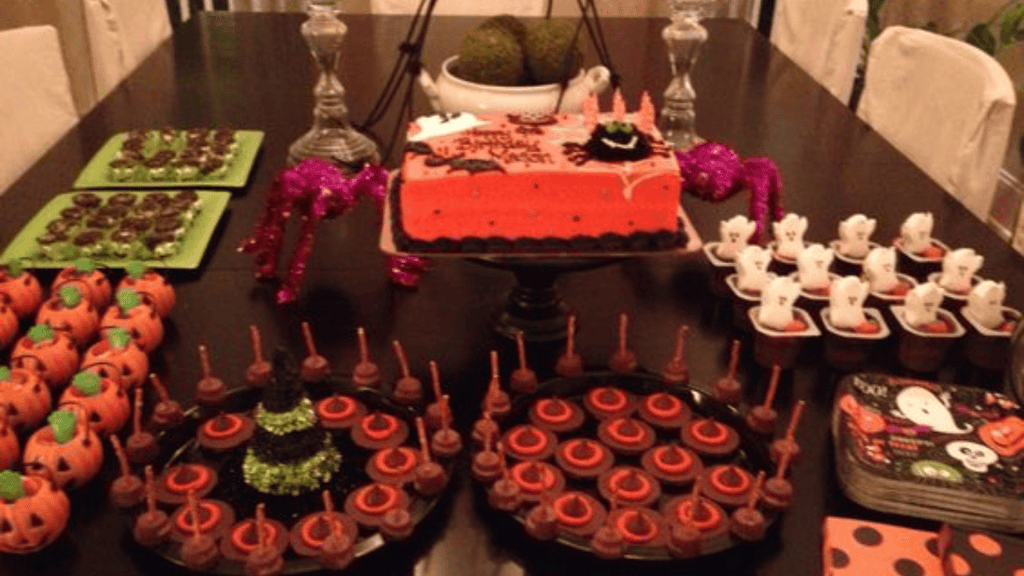
You need to take six steps to ensure your dessert fundraising event is a success. Follow these tips to make sure your dessert fundraiser goes off without a hitch.
Choose Your Date And Time – Pick the date and time for your dessert fundraiser wisely. You want it to be during a time when people are free and have the ability to come. You also want it to be when people are in a good mood.
Host the event at a location nearby – You want to host the event at a nearby location so that people don’t have to travel too far to come. Plus, this will allow busy people to drop in anytime during the event without making a special trip.
Find A Non-Profit To Benefit – Find a non-profit organization to benefit from your dessert fundraising event. This helps people have a reason to come and spend their money. It also helps your non-profit get more recognition in the community.
Choose A Theme For Your Event – Having a theme for your dessert fundraiser will help people come up with reasons to come and spend their money. It will also make the event more memorable for everybody who attends.
Advertise The Event – Make sure people know about your dessert fundraising event. You can advertise it online, in the newspaper, at your place of work, or anywhere else that makes sense. You want people to be aware of the event so they can come, spend some money, and support your cause.
Collect Money At The Event – Get a cash box or jar and collect money at the event. Make sure you collect the amount that you charge per dessert, so you make a profit. Another thing you can do is make a QR code for donations. This way, people can scan the QR code and instantly donate online. Use tools like Donorbox or GiveWP to execute.
Host The Event At The Right Time – You want to host the event when people are most likely to come and spend money. The best time is after work or on a weekend evening when people have time to go and relax.
Tips for a Successful Non-Profit Fundraiser

While hosting a dessert fundraiser, remember these tips.
Research the dessert you want to sell:- You don’t want to serve something that nobody wants to eat, so make sure you research before making a decision.
Have a variety of desserts for people to choose from:- You don’t want people to settle for the first dessert they see. A variety gives people options and lets them choose exactly what they want.
Charge an affordable amount per dessert:- You don’t want the price so low that people aren’t willing to pay it. At the same time, you don’t want the price to be so high that it turns people away.
Make sure to take all the money at the end of the event:- If people know they can leave without paying, many won’t. You want to make as much money as possible, so collect all the money you’ve been promised.
Final Thoughts
The best way to host a successful dessert fundraising event is to follow the 6 steps outlined in this article. Make sure you choose your event’s date, time, location, and theme. You should also research the desserts that you serve, so you know they are something people want to eat. Finally, charge an affordable amount for each dessert, and collect all the money you’ve been promised.
Host a Dessert Fundraiser FAQs
How much can a dessert fundraiser realistically raise per event?
Most dessert fundraisers raise $1,500–$35,000 per event, with the spread driven by event format, attendee scale, ticket-price structure, and supporting-revenue programming (auction, raffle, sponsorship). Small community dessert events (50–125 attendees at $15–$35 per-attendee ticket, dessert-tasting-or-bake-sale format) typically net $1,500–$5,500. Mid-tier dessert fundraisers (150–350 attendees at $35–$75 per-attendee ticket, structured dessert-tasting event with multiple-dessert-station programming plus light-supporting-revenue programming through silent-auction, raffle, or sponsorship) consistently raise $7,500–$22,500. Major-tier signature dessert events (350–850 attendees at $75–$185 per-attendee ticket, full-event dessert-competition or dessert-gala format with structured-supporting-revenue programming through silent-and-live-auction, raffle, sponsorship-tier-pricing programming, and structured giving-moment programming) raise $25,000–$95,000+ per event. The single biggest revenue lever for dessert-fundraiser programming is supporting-revenue programming — events with structured silent-auction, raffle, sponsorship-tier, and giving-moment programming consistently raise 35–125 percent more than ticket-revenue-only events because the supporting-revenue programming compounds with the attendee-base that the ticket programming creates.
Which dessert-fundraiser formats work best for nonprofits?
Five dessert-fundraiser formats consistently outperform across documented nonprofit dessert events: (1) dessert-tasting events with multiple dessert-station programming — structured dessert-tasting events featuring 8–25 dessert stations (each station featuring a partner-baker, partner-restaurant, partner-chef, partner-cafe, or partner-pastry-shop offering dessert-tasting portions) at $35–$75 per-attendee ticket typically raise $5,500–$22,500 per event through the combination of ticket-revenue and supporting-revenue programming; the format provides strong community-engagement programming with partner-baker relationships and supports year-over-year event-development programming; (2) dessert-competition events with judging-and-prize programming — structured dessert-competition events featuring 8–25 competing bakers (community-bakers, restaurant-and-pastry-shop bakers, chef-bakers, and home-baker competitors), structured judging-and-prize programming, and attendee-tasting-and-voting programming at $35–$85 per-attendee ticket typically raise $7,500–$32,500 per event through ticket-revenue, supporting-revenue programming, and entry-fee revenue from competing bakers; the competition format creates strong community-engagement programming and supports year-over-year event-development programming with returning-baker programming and prior-year-winner-recognition programming; (3) dessert-and-coffee-and-tea-pairing events — structured dessert-and-coffee-and-tea-pairing events featuring expert pairing programming, light-educational programming, and structured tasting-progression programming at $45–$125 per-attendee ticket typically raise $5,500–$22,500 per event; the format provides premium-positioning event programming that captures the upper-segment supporter cohort responding to quality-and-educational programming; (4) dessert-and-wine-pairing or dessert-and-spirits-pairing events — structured dessert-and-wine-pairing or dessert-and-spirits-pairing events featuring expert pairing programming (typically with a sommelier or beverage-expert pairing-host), structured tasting-progression programming, and licensed-beverage-service programming at $65–$185 per-attendee ticket typically raise $12,500–$45,000 per event; the format provides premium-positioning event programming that captures the upper-segment supporter cohort and produces strong per-attendee revenue; (5) dessert-gala events with full-dinner-and-dessert programming — structured dessert-gala events featuring full-dinner-and-dessert programming, structured event programming (welcome reception, dinner, dessert programming, supporting-revenue programming, and program content), and structured supporting-revenue programming (silent-auction, live-auction, raffle, sponsorship-tier, and giving-moment programming) at $125–$350 per-attendee ticket typically raise $35,000–$125,000+ per event; the format provides signature-event positioning programming appropriate for major-fundraising-event programming with major-donor cohort and community-leader attendee base. Avoid: ticket-revenue-only programming (loses 35–125 percent supporting-revenue compounding value), single-station-or-single-dessert programming (limits community-engagement and partner-baker programming value), and missing premium-positioning programming options (loses upper-segment supporter-cohort capture).
How do we coordinate partner bakers, restaurants, and dessert vendors?
Partner-baker-and-vendor coordination programming is the operational variable that determines whether dessert-fundraiser programming produces strong dessert-quality-and-quantity outcomes or programming-quality and quantity gaps. Five operating rules: (1) plan partner-baker-and-vendor recruitment programming 12–20 weeks before event date — partner-baker-and-vendor recruitment programming should target 1.5–2.0x the desired-event-station count (recruit 18–30 partner-bakers-and-vendors for a target 12–20 station event to accommodate 15–25 percent natural attrition between commitment and event-day); recruitment programming should include community-baker outreach (local-restaurants, bakeries, pastry-shops, cafes, chefs, food-truck operators, and home-baker contacts), structured outreach-and-commitment programming (event-overview communication, partner-benefit communication including community-recognition, marketing-promotion-and-attendee-exposure benefits, dessert-tasting-and-feedback benefits, and partnership-development benefits), and structured commitment-and-confirmation programming with signed partner-agreement programming covering dessert-station expectations, dessert-quantity expectations, dessert-delivery-and-setup logistics, food-safety-and-licensure expectations, and event-day-logistics expectations; (2) structure partner-baker-and-vendor benefits programming with multi-tier benefit packaging — partner-baker-and-vendor benefits programming should include community-recognition benefits (event-program-and-signage recognition, social-media programming partnership recognition, post-event recognition communication), marketing-and-promotion benefits (pre-event partner-promotion programming through nonprofit-organization marketing channels, event-day partner-promotion programming, and post-event partner-promotion programming), attendee-exposure benefits (partner-table or partner-booth programming at event with partner-promotional-materials display and direct-attendee-engagement opportunity), and partnership-development benefits (ongoing partnership-development programming, year-over-year partnership programming, cross-event partnership programming); (3) plan dessert-quantity-and-quality coordination programming — dessert-quantity-and-quality coordination should target 3–5 dessert-tasting-portions per attendee per station (typical attendee tastes 6–12 dessert stations during a structured-tasting event), so a 250-attendee event with 18 dessert stations needs approximately 750–1,250 dessert-tasting-portions per station (13,500–22,500 total dessert-tasting-portions across the event); coordination should include partner-baker quantity-commitment confirmation, dessert-quality expectations communication, dessert-presentation-and-station-setup expectations communication, and partner-baker dessert-delivery-and-setup-timeline confirmation; (4) execute structured food-safety-and-licensure compliance coordination — food-safety-and-licensure compliance varies by state and locality but typically includes commercial-kitchen requirements (most jurisdictions require commercial-kitchen production for public-event dessert programming, though some jurisdictions allow cottage-food-law home-baker programming for limited categories), food-handler-licensure requirements (most jurisdictions require ServSafe-or-equivalent food-handler certification for event-day food-service), temporary-food-event-permit requirements (most jurisdictions require temporary-food-event-permit programming for public-event food-service), and allergen-disclosure requirements (allergen disclosure on every dessert station for common-allergen categories including tree-nuts, peanuts, dairy, soy, wheat, egg, and gluten); coordination should include compliance-confirmation with all partner-bakers-and-vendors and structured event-day food-safety-monitoring programming; (5) execute structured partner-baker-and-vendor recognition-and-stewardship programming — partner-baker-and-vendor recognition-and-stewardship programming should include pre-event partner-promotion programming, event-day partner-recognition programming (event-program partner-recognition, signage partner-recognition, social-media partner-recognition, announcement-program partner-recognition), post-event partner-recognition programming (thank-you communication, partner-survey-and-feedback programming, partnership-development-discussion programming, year-over-year-partnership-development programming), and ongoing partnership-development programming with structured partnership-relationship-development across the year-over-year event-development cycle. Avoid: late-recruitment programming (creates partner-baker-and-vendor capacity gap), missing benefit-packaging programming (loses partner-baker-and-vendor recruitment-and-retention value), skipping food-safety-and-licensure compliance programming (creates regulatory-compliance risk), and missing partner-recognition-and-stewardship programming (loses year-over-year-partnership-development value).
How do we structure supporting-revenue programming alongside the dessert event?
Supporting-revenue programming alongside dessert-fundraiser event programming consistently produces 35–125 percent additional event-revenue beyond ticket-revenue alone. Five operating rules: (1) execute structured silent-auction programming — silent-auction programming should target 20–65 silent-auction items for a typical 250-attendee dessert event with items ranging from community-experience-items (restaurant gift-certificates, spa-and-wellness experiences, sports-event-tickets, theater-and-arts-tickets, recreational-experience packages) to luxury-experience-items (vacation packages, dining experiences, wine-and-spirits packages, jewelry-and-luxury-goods packages) to community-business-and-service items (community-business-service packages, professional-service packages, home-and-garden-service packages); silent-auction programming should include structured item-procurement (typically through community-business outreach with structured donation-request programming, board-member-and-volunteer item-procurement programming, and corporate-partner item-procurement programming), structured display-and-bidding programming (silent-auction-table programming with clear item-display, bidding-sheet programming with structured-minimum-bid and bid-increment programming, and structured closing-time programming), and structured close-and-fulfillment programming (auction-close announcement programming, winning-bid notification programming, payment-collection programming, and item-fulfillment programming); typical silent-auction programming produces $4,500–$22,500 additional event-revenue beyond ticket-revenue; (2) execute structured raffle programming — raffle programming should target 1–5 raffle prizes appropriate to the event-audience and event-positioning (typical raffle prizes include premium-prize categories like vacation packages, electronics-and-technology packages, luxury-experience packages, or community-experience-and-service packages); raffle programming should include structured ticket-sales programming (raffle-ticket pricing typically $5–$25 per ticket with bulk-pricing programming, structured ticket-sales programming during event with multiple ticket-sales-locations and structured ticket-sales-prompt programming), structured drawing programming (raffle-drawing announcement programming with structured event-program-integration), and structured prize-fulfillment programming; typical raffle programming produces $1,500–$8,500 additional event-revenue; (3) execute structured sponsorship-tier programming — sponsorship-tier programming should include 3–5 sponsorship-tier-pricing levels (typical structure includes presenting-sponsor tier at $5,000–$25,000, gold-sponsor tier at $2,500–$10,000, silver-sponsor tier at $1,000–$5,000, bronze-sponsor tier at $500–$2,500, and table-sponsor tier at $250–$1,500), structured sponsor-benefit programming per tier (event-recognition benefits, marketing-benefits, attendee-engagement benefits, and partnership-benefits scaled per sponsor-tier), and structured sponsor-cultivation programming (typically 12–26 week sponsor-cultivation programming before event date through structured corporate-and-business outreach); typical sponsorship programming produces $7,500–$45,000 additional event-revenue; (4) execute structured giving-moment programming during event — giving-moment programming during event should include structured-program-segment dedicated to giving-moment programming (typically a 12–25 minute segment featuring impact-narrative programming, beneficiary-story programming, and structured giving-prompt programming), structured giving-prompt programming with tiered-giving-prompt levels (typical tiered-giving-prompt structure includes leadership-gift level at $5,000–$10,000, sustainer-gift level at $1,000–$2,500, community-supporter level at $250–$500, and event-supporter level at $50–$100), structured giving-moment-response programming with paddle-raise-or-card-raise programming, real-time announcement-programming, and structured leadership-gift-momentum programming; typical giving-moment programming produces $7,500–$35,000 additional event-revenue; (5) execute structured paddle-raise or fund-a-need programming for major-event programming — major-event programming (signature dessert-gala events with major-donor attendance) should include structured paddle-raise-or-fund-a-need programming with specific funding-need messaging tied to specific organization-program funding-need (typical funding-need-amount messaging at $25,000–$250,000 specific funding-need with structured tiered-giving-prompt programming), structured paddle-raise execution programming with experienced auctioneer-or-emcee programming and structured leadership-gift programming with prior-coordination with major-donor leadership-gift commitments before event date; typical paddle-raise-or-fund-a-need programming produces $25,000–$185,000+ additional event-revenue for signature-event programming. Avoid: ticket-revenue-only programming (loses 35–125 percent supporting-revenue compounding value), missing silent-auction programming (loses $4,500–$22,500 typical additional event-revenue), skipping sponsorship-tier programming (loses $7,500–$45,000 typical additional event-revenue), missing giving-moment programming (loses $7,500–$35,000 typical additional event-revenue), and missing paddle-raise programming for signature-event programming (loses $25,000–$185,000+ typical additional event-revenue).