How to Hold an Art Exhibition for Fundraiser | Step-by-Step

Editor’s Note — Updated May 2026. Our team reviews nonprofit and fundraising guides quarterly, cross-referencing program details against Charity Navigator, CharityWatch, GuideStar/Candid, and BBB Give.org — and we publish program or naming updates within 7 days of verified changes. Spotted an outdated name or broken link? Email team@nonprofitpoint.com and we’ll correct the record.
A successful art exhibition as a fundraiser can be the perfect event for your nonprofit organization, school, or church. An art exhibition allows you to share your passion for art with others by featuring artists in your community and selling their artwork. You can host an art exhibition as a standalone fundraising event or incorporate it into other fundraisers, such as a dinner or cocktail party with a silent auction or raffle.
An art exhibition is also a great way to market your organization’s upcoming charity gala or another black-tie fundraiser. This article will advise holding an art exhibition as a fundraiser, including tips on how to deal with the event, what types of artwork you should accept, how much commission you should take from the artists, and more.
- What is an Art Exhibition Fundraiser?
- Why Hold an Art Exhibition for Fundraiser?
- When to Hold an Art Exhibition?
- How to Market an Art Exhibition for Fundraiser
- Types of Art to Accept for Your Exhibition
- How to Confirm Artists Will Attend the Exhibition
- How to Collect Money from Attendees at the Event
- Bottom Line
What is an Art Exhibition Fundraiser?
An art exhibition fundraiser is an event where the organizers accept art submissions from local artists, display the artwork, and sell the pieces at the exhibition to attendees. A portion of the proceeds from the artwork sales goes back to the artist, while the rest is donated to the organization hosting the event.
The organizers of the exhibition also take a commission on each sale. An exhibition can be a standalone or incorporated into a more significant fundraising event, such as a cocktail party or dinner with a silent auction or raffle.
An exhibition is also a great way to market your organization’s upcoming annual charity gala or another black-tie gala fundraiser.
Why Hold an Art Exhibition for Fundraiser?

An art exhibition is a beautiful way to raise funds for your organization while promoting art in your community. Artists participating in your exhibition will likely receive much exposure, especially if you host the exhibition at a public venue.
In addition, you will have the opportunity to meet and connect with local artists who may be interested in donating their artwork for future fundraising efforts for your organization.
When to Hold an Art Exhibition?
You can hold an art exhibition at any time, but it’s best to select a time when many people are available to attend. For example, you might want to choose a date in the fall, winter, or spring when people are not engaged in the holiday season.
Summer exhibitions may be less desirable due to the warmer temperatures. If possible, select a date when many people are available to attend your exhibition, including many of your organization’s volunteers. For example, the Saturday before Thanksgiving is a popular date for fundraising events.
How to Market an Art Exhibition for Fundraiser
You should market your art exhibition well before the event so that artists have ample time to create and bring their artwork to the exhibition. You can sell your exhibition by sending a press release to local media outlets, including newspapers and radio stations.
You can also share news of your event on social media platforms, such as Facebook and Twitter. Ask volunteers to post news of your event on their social media accounts to reach a larger audience.
You can also include information about your exhibition on the invitation to your other fundraising events.
Types of Art to Accept for Your Exhibition
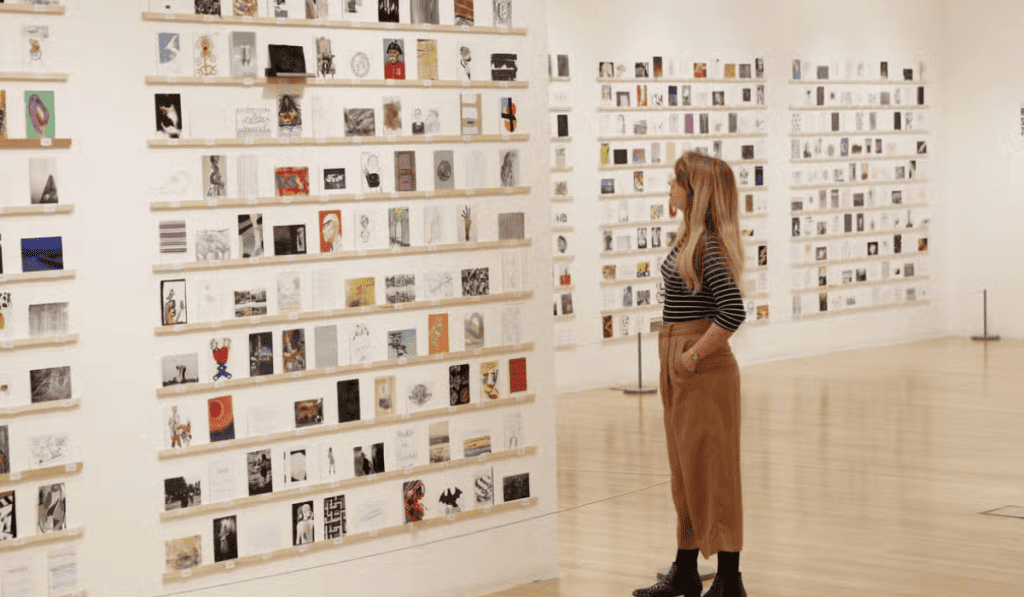
There are no regulations regarding what types of artwork you should accept for your exhibition. You can accept paintings, drawings, sculptures, photographs, and more. You may want to consider accepting artwork appropriate for a public venue, such as paintings on canvas or photographs printed on archival-quality paper.
See the piece of artwork before accepting it for your exhibition. If the artwork does not fit in your venue, it is inappropriate for a public forum, or the artist does not want to sell their artwork, you should not accept it for your exhibition.
How to Confirm Artists Will Attend the Exhibition
You should let artists know they can withdraw their artwork from the exhibition before the event, but you should also ask them to let you know if they cannot attend the exhibition.
Create a sign-up sheet and have artists let you know before the exhibition if they can attend the event. This will help you to avoid overbooking the venue and turning away artists who would like to participate.
How to Collect Money from Attendees at the Event
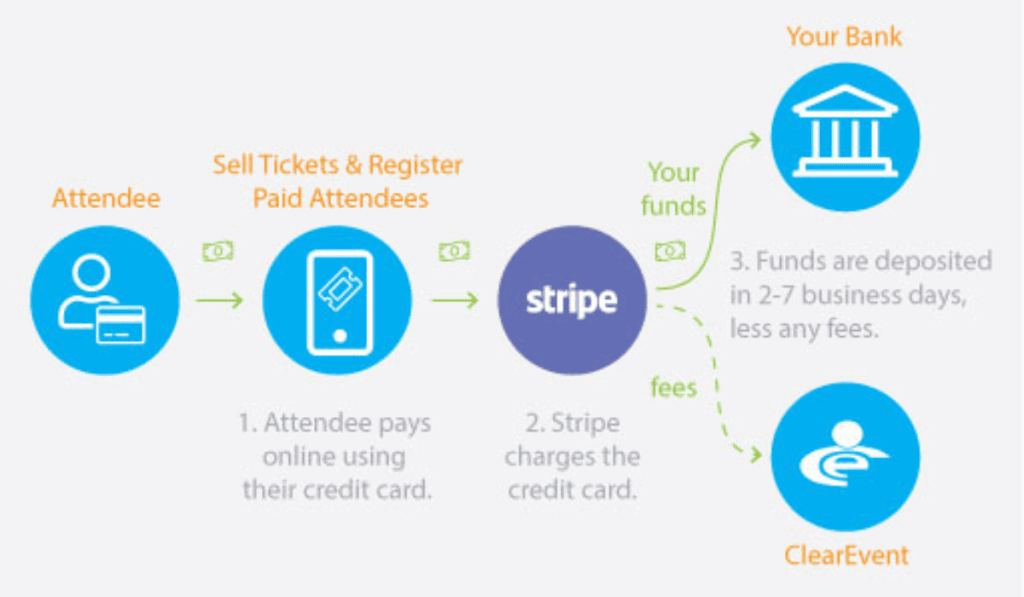
You should have a table where attendees can pay for their artwork at the exhibition. Offer a payment plan for attendees without enough money to purchase a piece of art or those who want to buy more than one piece.
You can accept payment in cash, check, or credit card. You can also accept payment for artwork purchased at your exhibition through an online payment website such as PayPal. This will allow you to receive compensation from attendees who cannot make it to the exhibition.
Pro Tip: Use an online donation platform like Donorbox so that you can even create a QR code for your donation page. Install the QR code in your event, so that people can seamlessly donate online.
Bottom Line
Holding an art exhibition for fundraising can be a real game-changer if done correctly. It is one of the best opportunities to raise money while supporting local artists. We hope that after reading this article, you will have some ideas running and help start your art exhibition fundraiser for your organization. Share this article if you think you got value or learnt something 🙂
Fundraising Art Exhibition FAQs
How much can a fundraising art exhibition realistically raise per event?
Most fundraising art exhibitions raise $3,500–$85,000 per event, with the spread driven by artwork-quality-and-curation, attendee-network strength, and whether the event combines silent-auction, live-auction, direct-sales, and admission-or-sponsorship revenue. Small community-art-show fundraising exhibitions (single-evening events with 75–200 attendees, 20–50 donated or consigned artwork pieces, typically silent-auction-only revenue model with $25–$75 admission) typically net $2,500–$8,500. Mid-tier gallery-quality fundraising art exhibitions (single-evening or 2–3 day events with 200–500 attendees, 35–125 curated artwork pieces from regional artists, combined silent-auction-plus-live-auction-plus-direct-sales revenue model with $75–$200 admission and sponsorship-tier programming) consistently raise $15,000–$45,000. Premium signature fundraising art exhibitions (single-evening gala-quality events or multi-day festival events with 500–1,500 attendees, 75–300 high-quality curated artwork pieces from regional-and-national artists, combined silent-auction-plus-live-auction-plus-direct-sales-plus-sponsorship revenue model with $150–$500 admission and premium-sponsorship-tier programming up to $25,000-and-above) cleared $85,000–$485,000 in our documented examples. The single biggest revenue lever is artist-curation quality combined with attendee-network strength — events that successfully curate 35–75 named-and-recognized regional artists, combined with attendee-networks of 200–500 art-buyer-and-supporter-network connections, consistently raise 4–8x more than events with unnamed-amateur-artist curation regardless of attendance volume.
Which artwork formats and curation strategies produce the best fundraising results?
Five artwork-format-and-curation strategies consistently outperform across documented fundraising art exhibitions: (1) regional-named-artist curation programs — partnerships with 25–75 named regional artists (typically 3–15 year established-career artists with documented gallery-representation and sale-history) who donate 1–3 pieces each or consign pieces at 50–75 percent of normal-sale-price; the named-artist curation consistently produces 35–55 percent higher per-piece sale price than amateur-artist curation because the artist-recognition value supports buyer confidence in artwork-investment quality; (2) themed-exhibition curation programs — structured themes connecting artwork to recipient-organization mission (children's-art-show themes for child-services organizations, environmental-art themes for environmental organizations, social-justice-art themes for civil-rights organizations, healing-and-recovery art themes for health-services organizations) consistently produce 25–45 percent higher emotional-engagement and average-bid-amounts because the thematic alignment connects buyer-purchase to recipient-mission impact; (3) mixed-medium and mixed-price-point curation programs — curated collections combining oil paintings ($800–$8,000 typical price range), watercolors ($150–$2,500), photography ($75–$2,500), sculpture ($150–$15,000), printmaking ($45–$850), and craft-medium pieces (jewelry, ceramics, textile-art at $25–$650 typical price range); the mixed-price-point structure captures buyer segments across $50–$15,000 budget ranges within a single event, consistently producing 50–85 percent higher per-attendee revenue than single-medium events; (4) artist-presence-and-storytelling programming — events featuring artist-presence at the exhibition (typically 50–100 percent of contributing artists attend the event, with structured artist-introduction programming, artist-walk-through tours of the exhibition, and artist-storytelling about specific pieces) consistently produce 25–45 percent higher per-piece sale price because the artist-presence converts artwork-purchase into personal-connection-and-experience; (5) commission-and-experience auction programs — live-auction lots structured as artist-commission-opportunities (winning bidder commissions a custom piece from the artist for an additional $1,500–$15,000 commission fee beyond the auction-base bid) and artist-experience packages (studio visits, art-instruction sessions, behind-the-scenes gallery tours typically valued at $500–$5,000) consistently produce premium revenue from high-net-worth attendees while creating ongoing artist-and-attendee relationship value. Avoid: unnamed-amateur-artist-only curation (caps per-piece sale price at 35–55 percent of potential), single-medium and single-price-point events (loses 50–85 percent of buyer-segment capture), missing artist-presence programming (loses 25–45 percent of per-piece sale price), and skipping commission-and-experience auction tiers (misses premium-bidder revenue from high-net-worth attendees).
How do we coordinate with artists on consignment, donation, and revenue-share terms?
Artist-coordination discipline is the operational variable that determines whether artist-partnerships produce strong artwork-curation or create artist-relationship damage that affects future-event participation and reputation. Five operating rules: (1) document artist-partnership terms in writing through a structured consignment-and-donation agreement before artwork delivery — the agreement should specify the artwork-source structure (donation versus consignment-with-revenue-share), revenue-share percentage (typical structures include 100/0 for fully-donated artwork, 50/50 split between artist and organization, 60/40 organization-favored split, 70/30 organization-favored split, or other-tier structures), minimum-bid or reserve-price terms (artist-protection floor below which the artwork will not be sold), unsold-artwork-return procedures (artwork-return logistics, transfer-of-custody documentation, post-event timeline), and the artist's rights to reproduce, exhibit, or modify the artwork after the event; (2) provide artists with explicit clarity on revenue-distribution-and-tax-implication terms — for donated artwork, the artist's tax-deduction is limited to the cost-of-materials (typically $25–$150 per piece for most original artwork) rather than the artwork's market-value, per IRS Section 170 documentation requirements; for consigned artwork, the artist's tax-treatment follows ordinary-income reporting on artist-receipt-portion of sale-proceeds; the upfront clarity prevents artist-relationship damage from post-event tax-treatment misunderstanding; (3) handle artwork delivery, exhibition, and post-event return through structured chain-of-custody documentation — artwork-delivery receipts (date, condition documentation, signed-acknowledgment by artist and organization representative), exhibition-period inventory tracking, sale-confirmation-or-unsold-status documentation, and unsold-artwork-return receipts; the documentation protects both the artist and the organization from artwork-damage, artwork-loss, or post-event ownership-disputes; (4) plan artist-recognition programming throughout the event — artist-name-and-bio inclusion in event programs and artwork-placards, social-media-content acknowledgment, artist-introduction-during-event programming, post-event thank-you communication, and year-over-year artist-relationship development; the recognition-programming consistently produces 35–55 percent higher artist-participation rates for next-year events; (5) communicate post-event sale-results and revenue-distribution to artists within 30 days of event close — the post-event communication should report which of the artist's pieces sold, sale-price-achieved per piece, artist-revenue-share calculation (for consigned pieces), payment-timing (typically 30–60 days post-event for consignment payments), and organization-acknowledgment of artist-contribution; the timely post-event communication consistently produces 25–45 percent higher next-year artist-participation rates than delayed-or-incomplete communication. Avoid: undocumented artist-partnership terms (creates relationship-damage and dispute risk), unclear artist-tax-implication communication (creates post-event artist-relationship damage), missing artwork chain-of-custody documentation (creates artwork-damage and loss-attribution risk), and delayed post-event sale-results communication (loses 25–45 percent of next-year artist participation).
How do we attract attendees, manage logistics, and handle auction operations?
Attendee-attraction, logistics, and auction-operations discipline is the operational variable that determines whether the event captures peak-revenue-potential or stalls at 25–45 percent of achievable performance. Five operating rules: (1) build attendee-attraction through a structured 6–12 week marketing-and-outreach campaign — the campaign should combine direct-invitation outreach to the organization's existing donor-and-supporter network (typically 200–800 named-contact outreach with structured RSVP-tracking), partnership outreach to participating-artists' collector-and-buyer networks (typically the highest-value attendee source, with each participating artist contributing 5–25 personal-network attendees), gallery-and-art-community partnership outreach (local-gallery email-list and social-media partnership reaching 1,000–10,000 art-community contacts), community-arts-organization partnership outreach (museum-membership lists, arts-council distribution lists, art-school-and-university faculty-and-alumni lists), and earned-media outreach to local-arts-media (local-newspaper arts-section, local-magazine event-listings, local-radio arts-programming, local-television-news features for premium events); (2) coordinate event-venue and exhibition logistics 8–16 weeks before event date — venue requirements typically include 2,500–15,000 square feet of exhibition-and-event space depending on attendance scale, lighting-and-presentation infrastructure for artwork display (track-lighting, gallery-quality presentation-walls or panels, artwork-mounting-and-display fixtures), audio-visual infrastructure for live-auction-and-speaking programs, parking-and-accessibility infrastructure, food-and-beverage service capability, and security-and-insurance coverage for artwork-and-attendee protection; the long-lead-time coordination prevents venue-conflict and logistical-shortfall scenarios; (3) plan auction-operations through structured silent-auction-and-live-auction programming — silent-auction operations require bid-sheet-and-table organization (typical structure with 1 bid sheet per piece, 4–8 pieces per table, structured close-time sequencing across 1–3 hour auction window), bidder-registration-and-paddle-numbering process (advance-online-registration plus on-site walk-up registration, paddle-numbering for live-auction participation), payment-processing infrastructure (credit-card processing, check-payment processing, mobile-payment options), and pickup-and-delivery logistics (immediate-pickup options, shipping-options for non-local-winners, oversized-piece delivery coordination); live-auction operations require professional-auctioneer engagement (typical fees $1,500–$5,000 per event for professional fundraising-auctioneers like Stephen Kilbey, Reed Soper, or other regional specialists), staged auction-lot programming (typical sequence with 8–25 lots across 60–90 minute live-auction window), and bidder-recognition-and-acknowledgment programming; (4) plan food-and-beverage programming aligned with event tier — small-community events typically use light-appetizer-and-beverage programming (wine, beer, soft-drinks, light-appetizers at $15–$25 per-attendee cost), mid-tier gallery-quality events use heavy-appetizer-or-buffet-dinner programming ($35–$75 per-attendee cost), and premium gala-quality events use seated-dinner-and-premium-beverage programming ($75–$250 per-attendee cost); the food-and-beverage programming should align with admission-pricing and attendee-expectation tier; (5) plan post-event follow-up programming — immediate post-event thank-you communication (typically 24–72 hours post-event to all attendees), payment-collection follow-up for any not-yet-paid auction-purchases (typically within 7–14 days post-event), artwork-delivery-and-pickup coordination, artist-payment-and-recognition communication (within 30 days per consignment-agreement terms), and post-event impact-reporting (typically 3–6 months post-event with recipient-organization use-of-funds reporting); the structured post-event programming consistently produces 35–55 percent higher next-year-event attendee-retention and donation-amount-growth. Avoid: short attendee-attraction campaigns under 6 weeks (caps attendance at 35–55 percent of potential), inadequate venue-and-logistics coordination (creates day-of operational chaos), amateur-volunteer auction-operations (loses 25–45 percent of auction revenue potential), and skipping structured post-event follow-up programming (loses 35–55 percent of next-year attendee-retention).