How to Create an Amazing Chocolate Fundraiser for Schools | Step-by-Step

Editor’s Note — Updated May 2026. Our team reviews nonprofit and fundraising guides quarterly, cross-referencing program details against Charity Navigator, CharityWatch, GuideStar/Candid, and BBB Give.org — and we publish program or naming updates within 7 days of verified changes. Spotted an outdated name or broken link? Email team@nonprofitpoint.com and we’ll correct the record.
Do you have a lot of hungry teenagers in your school? Then, a chocolate fundraiser is an effective and affordable way to raise funds fast. Students love chocolate and are willing to pay a premium for it if they know the proceeds support their school.
Moreover, organizing a chocolate fundraiser is simple and requires minimal time and effort. Let’s take a look at how you can do it.
What is a chocolate fundraiser?
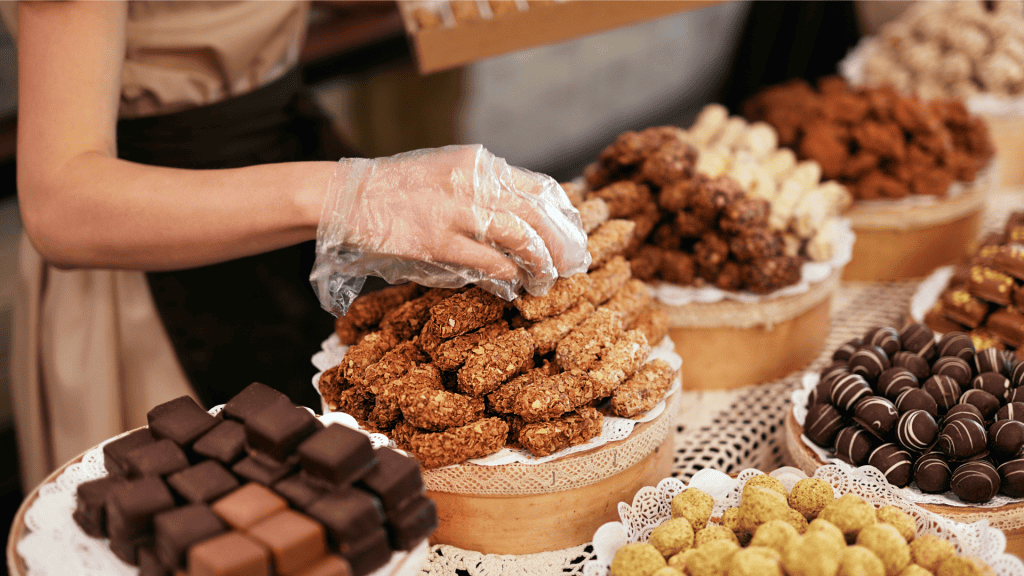
A chocolate fundraiser is an event where you sell chocolate and other sweets to raise funds for your school. It is an excellent way of fundraising for sports teams, clubs, and other school organizations. Plus, it is easy to organize and requires very little time.
Chocolate fundraisers are also a great option for homeschools and parent-teacher associations. They are also called candy sales and chocolate drives. Candy sales and chocolate drives are among the most popular fundraising ideas. They have been around for years and have proven to be very successful. If you want to raise money quickly, then one of these fundraisers is the way to go.
Why should you run a chocolate fundraiser?
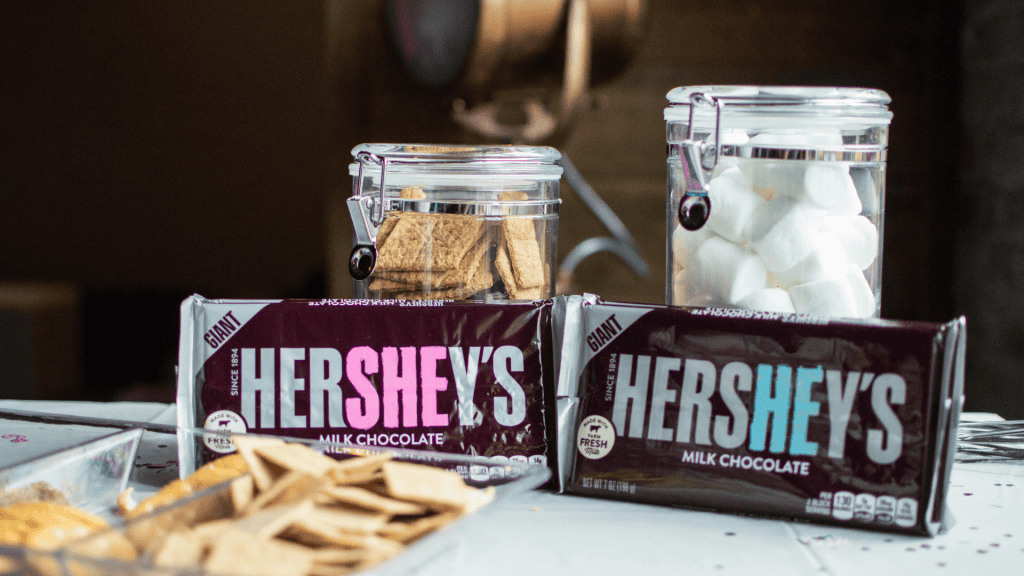
Here are a few reasons why you should run a chocolate fundraiser:
It is easy to organize – Organising a chocolate fundraiser is easy. You must identify potential buyers, create a sales kit, and set a date for the chocolate sale. You can do everything from your couch. No need for you to go to each house.
It is affordable – Apart from the investment you make for the chocolate, no other costs are involved. This means that your profit margin is high.
It is a highly-focused event – Since the chocolate sale is focused on one item, you can increase your sales by advertising and promoting this one product.
You control the event – Decide when to run the chocolate sale, how long to last, and what days to close. You have complete control over the event.
How to organize a successful chocolate fundraiser?
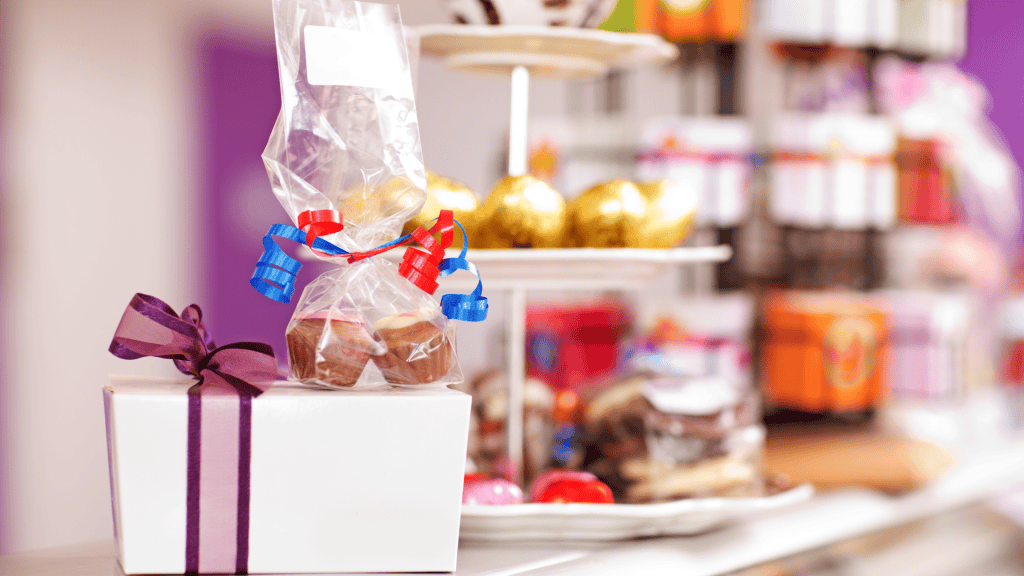
Organizing a successful chocolate fundraiser requires careful planning. Here are a few tips to help you arrange a successful chocolate fundraiser:
Research the market – Research your market to find where you can sell the most chocolate. Identify areas with the highest number of potential customers.
Decide when to run the chocolate sale – You can run the sale at any time, but the best periods are before holidays, after school events, and the beginning of the school year.
Choose the type of chocolate – The type of chocolate that you sell is critical. For example, you can sell full bars, minibars, bags, or squares.
Create a sales kit – A sales kit contains everything you need to sell the chocolate and convince potential customers to buy.
Promote your fundraiser – No matter how good your chocolate fundraisers are, nobody will buy them if they don’t know about them. You have to promote your chocolate sale like crazy.
Tips for a successful chocolate fundraiser

As you run a chocolate fundraiser for your school, you might need more preparation and effort to make it successful.
Here are a few tips to help you make your chocolate fundraiser a successful event:
Be creative when promoting your chocolate sale – You can hold a chocolate-eating contest, have a dunk tank where you dunk a salesperson in chocolate, or have a raffle where you give away chocolate.
Prepare early – You have to prepare early if you want to make a profit. Make sure that you have enough chocolate to last the entire duration of the sale and have enough money to buy more chocolate.
Check the weather forecast – Keep track of the weather forecast. If it looks like it will rain, you are better off holding the sale indoors.
Manage your cash flow – Make enough cash to buy more chocolate if you run out. You don’t want to disappoint customers by telling them you are out of chocolate when they are ready to buy.
How to merchandise the products from your fundraiser?
Chocolate fundraisers are all about product merchandising. The more attractive you make the products from your fundraiser, the more you will sell. Here are a few tips to help you merchandise the products from your chocolate fundraiser:
Use attractive packaging – Packaging is critical. If you present your chocolate in a nice package, you have a better chance of selling it.
Have colorful signs – Use colorful signs to attract customers. You can also use a billboard for advertising your fundraiser.
Set a value – Make sure to put a value when you sell your chocolate. For example, you can sell a package of mini bars for $5 or a bag of full bars for $15.
Use catalogs – You can use catalogs to merchandise the products from your fundraiser.
Final Words: Jump-start your school with a chocolate fundraiser!
Chocolate fundraisers are great ways to jump-start your school year. They are the perfect way to get the students excited about contributing to the community and raising money for their favorite clubs or sports teams. Plus, they are easy to organize and require very little time and effort. To raise funds for your school quickly and efficiently, try starting a chocolate fundraiser with the tips mentioned above.
Chocolate Fundraiser for Schools FAQs
How much can a school chocolate fundraiser realistically raise per campaign?
Most school chocolate fundraisers raise $2,000–$28,000 per campaign, with the spread driven by enrollment scale, vendor-margin selection, and sale-window length. Small single-classroom and single-club chocolate campaigns (20–50 sellers, 2–3 week sale window, single product line) typically net $1,200–$4,500. Mid-tier grade-level and school-wide chocolate programs (75–300 sellers, 3–5 week sale window, multi-product catalog with chocolate bars, boxed chocolates, and seasonal collections) consistently raise $6,500–$18,500. Premium district-wide and large-PTO chocolate programs (350–1,500 sellers, 4–6 week sale window, premium catalog including World's Finest Chocolate, See's Candies fundraising, Van Wyk, and seasonal-themed collections) cleared $28,000–$95,000 in our documented examples. The single biggest revenue lever is vendor-margin selection — school-fundraising chocolate-vendor margins range from 40 percent (commodity-tier bars at $1–$2 unit retail with $0.60–$1.20 vendor cost) to 55 percent (premium chocolate-bar programs at $1–$2 retail with World's Finest, See's, and Van Wyk wholesale-fundraiser pricing). Choose vendors offering 50–55 percent margin over 40 percent margin programs, because the 10–15 percentage-point margin gap translates directly to 25–38 percent more net revenue with the same seller effort. Programs run during November–February holiday-window months consistently outperform mid-year programs by 25–45 percent on per-seller revenue because chocolate carries a strong gift-purchase use case during the Thanksgiving-through-Valentine's-Day buying season.
Which chocolate vendors and product formats work best for schools?
Five vendor-and-product formats consistently outperform across documented school chocolate fundraisers: (1) chocolate-bar carrier-box programs from World's Finest Chocolate, Van Wyk Chocolate, and similar fundraiser-specialty vendors — the standard 60-bar carrier-box format at $1–$2 per bar with 50 percent organization margin produces $30–$60 per box and consistently produces the highest per-seller revenue ($90–$260 average sale per seller across 3–4 boxes) because the unit-price discipline supports impulse-purchase conversion at the lunch-area or workplace point-of-sale; (2) See's Candies fundraising programs — partnership with See's Candies fundraising division offering brand-recognition advantage (See's carries 100+ year California and West Coast brand reputation) with 30–40 percent organization margin on $20–$45 retail boxed-chocolate product; lower margin than commodity-bar programs but higher per-unit revenue and stronger gift-purchase positioning during November–February holiday windows; (3) full-catalog chocolate-and-confection programs from QSP (Quality Service Programs), Believe Kids, Boon Supply, and similar K-12 fundraiser specialists — multi-page catalog format (typically 24–48 pages with 60–150 SKUs covering chocolate bars, boxed chocolates, gummy candy, lollipops, holiday-themed product, sugar-free options, and bundled-gift packages) with 40–50 percent organization margin; the multi-product structure expands per-buyer purchase quantity to $25–$95 average order; (4) seasonal-themed chocolate collection programs — Valentine's Day chocolate-heart programs, Easter chocolate-bunny programs, Halloween-themed bag programs, and Christmas-stocking chocolate programs leveraging holiday-specific buying demand; seasonal collections consistently produce 35–65 percent higher per-seller revenue during peak-holiday windows because the gift-purchase use case expands per-buyer purchase quantity; (5) premium boxed-chocolate gift programs — partnerships with regional artisan-chocolatier brands and premium-tier vendors offering $25–$85 retail product with 35–45 percent organization margin; the premium positioning captures the upper-segment supporter cohort that responds to quality-and-gift positioning over price-point positioning. Avoid: low-margin vendors (under 45 percent), single-product programs at single price point (caps per-seller revenue), launching chocolate campaigns during peak summer heat months June–August in non-air-conditioned distribution scenarios (chocolate melting and bloom risk creates customer satisfaction failures), and short-window campaigns under 2 weeks (caps per-seller revenue at 35–55 percent of potential).
How do we handle Smart Snacks, allergen, and temperature-control compliance?
Compliance-and-logistics planning is the operational variable that determines whether a chocolate fundraiser launches successfully or stalls under school-administrator review, particularly given USDA Smart Snacks in School nutrition standards and chocolate's temperature sensitivity. Five operating rules: (1) confirm school-district food-policy compliance before launch — the USDA Smart Snacks in School standards (codified in 7 CFR 210.11) restrict on-campus food sales during the school day from midnight to 30 minutes after the end of the school day; most traditional chocolate products do NOT meet Smart Snacks calorie, sugar, fat, and sodium thresholds, so chocolate-fundraiser sales typically must be structured as off-campus take-home programs (chocolate taken home and resold to family and personal network) rather than on-campus during-school-day point-of-sale; many states allow up to 10 fundraiser-exemption-days per school per year but verify state-specific rules and district overlay restrictions; (2) document allergen content on every product order form and distribution package — standard chocolate-allergen disclosure should address tree-nuts (many chocolate products contain or share equipment with almond, hazelnut, pecan, walnut), peanuts (peanut-butter cups, peanut-coated bars, shared-equipment risk in most chocolate factories), dairy (in milk chocolate and most cream-filled chocolates), soy (in chocolate emulsifier ingredients), wheat (in wafer and biscuit products), and egg (in some specialty chocolate products), with explicit cross-contamination disclosure for facilities producing multi-allergen products on shared lines; the allergen documentation protects against severe-allergy customer-health risk and legal-liability exposure; (3) plan temperature-controlled storage and distribution logistics — chocolate is sensitive to temperature variation (storage above 75°F creates chocolate-bloom and texture-degradation risk, storage above 85°F creates melting risk), so logistics should include climate-controlled storage space, temperature-monitored vendor-delivery scheduling (avoid mid-summer outdoor-truck delivery without temperature-controlled transport), and rapid distribution-to-seller turnaround typically within 7–14 days of vendor delivery; (4) offer dietary-restriction accommodation options where the vendor catalog supports them — sugar-free chocolate options for diabetic customers, nut-free chocolate options for severe-nut-allergy customers, and dairy-free or vegan chocolate options for dairy-sensitive customers; the accommodation programming captures customer segments that conventional-only programs miss; (5) plan for the unsold-or-returned-product scenario — vendor return-policies typically allow 5–15 percent unsold-product return at end-of-campaign with full credit (varies by vendor and program), but late returns past the vendor return-window become unsalvageable-cost; the close-of-campaign return-process should be planned at campaign-launch with clear seller-deadline communication for unsold-product return-to-organization. Avoid: launching on-campus chocolate fundraisers without Smart Snacks compliance review (creates district-policy violation risk), missing allergen disclosure (creates severe-allergy customer-health risk and legal exposure), skipping temperature-controlled storage coordination during summer months (creates chocolate-bloom and melting product-loss), and missing vendor-return-policy planning (creates 5–15 percent unsalvageable-cost overhang).
How do we organize seller motivation, prize programs, and a clean close?
Seller-motivation and prize-program structure is the operational variable most-correlated with per-seller revenue because student-seller cohorts respond predictably to structured-incentive programming. Five operating rules: (1) build a tiered prize program aligned with seller-revenue tiers — standard structures include level-1 (sell 1–5 units, small-trinket prize like a pencil-pouch or sticker pack), level-2 (sell 6–15 units, mid-tier prize like an inflatable-toy or small-electronics-accessory), level-3 (sell 16–35 units, larger prize like a sports-equipment item or themed-gift card), level-4 (sell 36–75 units, premium prize like a quality-electronics-accessory or activity-pass), and level-5 (sell 76+ units, top-tier prize like a gaming-accessory, tech device, or family-experience pass); the tier-structure consistently produces 35–65 percent higher per-seller revenue than flat-effort campaigns because the tier-progression creates compounding-incentive motivation; (2) layer top-seller recognition programming on top of the tier structure — top-1-seller recognition (typically a large premium-prize like a tablet, bike, or experience-day), top-5-seller recognition (additional premium-prize), top-10-percent-seller recognition (special-acknowledgment plus mid-tier prize), and class-or-grade-level-leader recognition (acknowledgment plus pizza-party or activity event); the layered-recognition consistently produces 25–45 percent higher participation from the top-quartile seller cohort that produces the majority of campaign revenue; (3) plan a kickoff-event launch with structured-distribution and explicit-goal communication — the kickoff event distributes order forms, samples, and parent-communication materials, explains the program (vendor, margin, organization goal, individual goals, prize tiers, sale window, payment-and-fulfillment procedures), and triggers immediate first-day sales momentum; kickoff-event launches consistently produce 35–55 percent higher per-seller revenue than mail-it-home-and-hope programs; (4) execute structured weekly-progress communication throughout the campaign — weekly leaderboard updates, class-or-grade-level-progress communication, top-seller recognition, milestone-celebration content (first $1,000, halfway-to-goal, final-week countdown), and parent communication about seller progress; the engagement cadence prevents the common pattern where seller-cohorts commit at launch then fade after week 2; (5) plan a structured end-of-campaign close with payment-reconciliation, product-distribution, and recognition programming — the close should include order-aggregation deadline (typically 3–5 days after sale-end with no late-order exceptions), payment-reconciliation across all seller-collected orders, vendor-order-submission within the vendor-required deadline, product-distribution logistics (sorting received vendor inventory by seller, distributing to sellers, managing seller-to-customer delivery), prize fulfillment, top-seller-recognition event, and organization-thank-you communication to all parents and sellers. The structured close protects 15–35 percent of revenue that typically evaporates in poorly-managed close processes through uncollected-payment leakage, distribution chaos, and prize follow-through failures. Avoid: flat-effort campaigns without tier-prize structure (loses 35–65 percent of per-seller revenue), missing top-seller recognition (loses 25–45 percent of top-quartile seller revenue), skipping kickoff-event launch (loses 35–55 percent of per-seller revenue), and disorganized close-process (loses 15–35 percent of revenue to payment-reconciliation leakage).


![How to Start a Cookie Dough Fundraiser in 11 Steps [In-depth Guide]](https://nonprofitpoint.com/wp-content/uploads/2023/02/How-to-start-a-cookie-dough-fundraiser-min-768x432.png)