Top 10 Fundraising Events for Community Engagement | Nonprofit Fundraising Ideas

Editor’s Note — Updated May 2026. Our team reviews nonprofit and fundraising guides quarterly, cross-referencing program details against Charity Navigator, CharityWatch, GuideStar/Candid, and BBB Give.org — and we publish program or naming updates within 7 days of verified changes. Spotted an outdated name or broken link? Email team@nonprofitpoint.com and we’ll correct the record.
Fundraising is not merely about collecting money—it’s about rallying a community around a cause. The most successful fundraisers cultivate deep donor participation by delivering authentic experiences and fostering long-term relationships. Whether you’re a seasoned nonprofit leader or exploring fundraising ideas for the first time, incorporating community engagement into your event planning is essential.
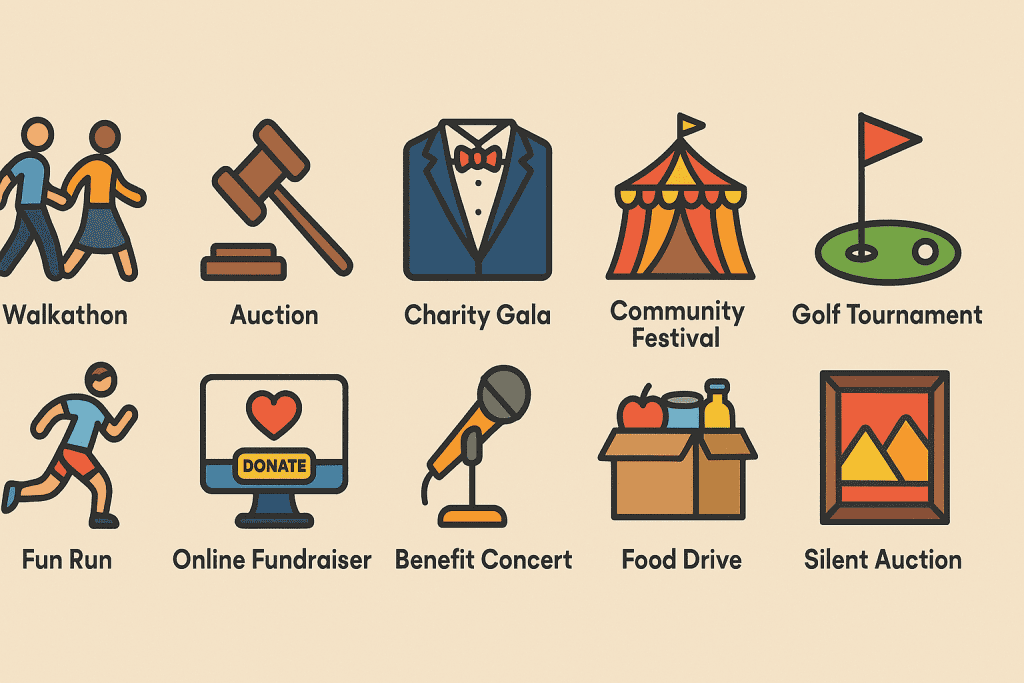
Below are 10 proven fundraising events that not only generate revenue but also galvanize public support, encourage participation, and build organizational trust.
1. Charity Walks and Runs
Overview:
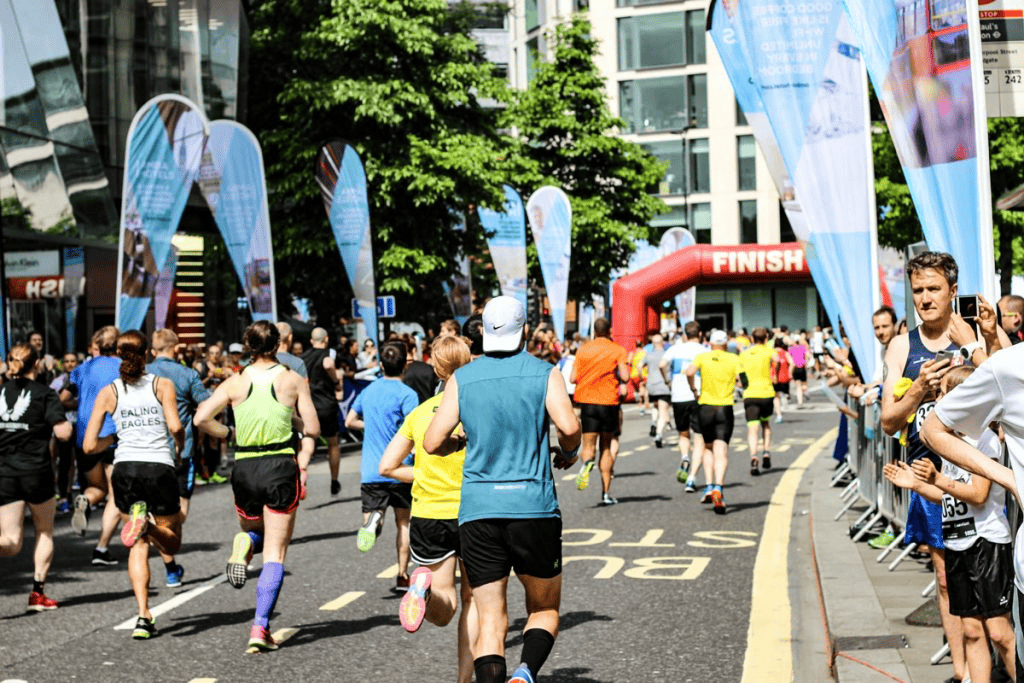
Charity walks and runs are classics for a reason. They unite people for physical activity while supporting a cause. Events like AIDS Walk New York demonstrate how impactful these efforts can be—raising millions for medical research and treatment access.
Benefits:
- Encourages wellness and community unity
- Accessible to all age groups and fitness levels
- Great for visibility and local media coverage
Success Example:
The UK’s Run For Heroes challenged participants to run 5K, donate £5, and nominate five friends. This viral approach raised over £7 million for NHS Charities Together.
SEO Tip: Include terms like charity walk, fundraising ideas, and community engagement on event pages to capture search intent from potential participants.
2. Gala Dinners and Formal Events
Overview:
Charity galas combine elegance with impact. Typically featuring gourmet meals, live music, auctions, and keynote speakers, they attract high-value donors and corporate sponsors.
Benefits:
- Appeals to affluent donors and corporate sponsors
- Strong networking potential
- Opportunity to highlight nonprofit achievements
Success Example:
The Dine with Heart Gala by Sacred Heart Mission funds thousands of nutritious meals for people experiencing homelessness.
Pro Tip: Tools like OneCause can enhance ticketing, mobile bidding, and live donation tracking during events.

3. Community Festivals
Overview:
Festivals are vibrant, inclusive fundraising events that celebrate culture, art, and food while promoting nonprofit missions. They bring together families, artists, and businesses in a lively environment.
Benefits:
- Showcases local talent and artisans
- Attracts a broad demographic
- Generates revenue via tickets, booths, and merchandise
Success Example:
“Batting for the Battlers,” a charity cricket match in St. Kilda, integrates sport and festivity while raising critical funds for local charities.
SEO Tip: Incorporate event planning, community fundraising, and nonprofit fundraising keywords in promotional content.
Video Stories That Inspire Donor Loyalty
Happy Productions crafts heartfelt videos that forge strong emotional bonds with your donors. We highlight each donor’s impact, making them feel valued and inspiring deeper, long-term support for your cause
Engage Donors – Free Consultation →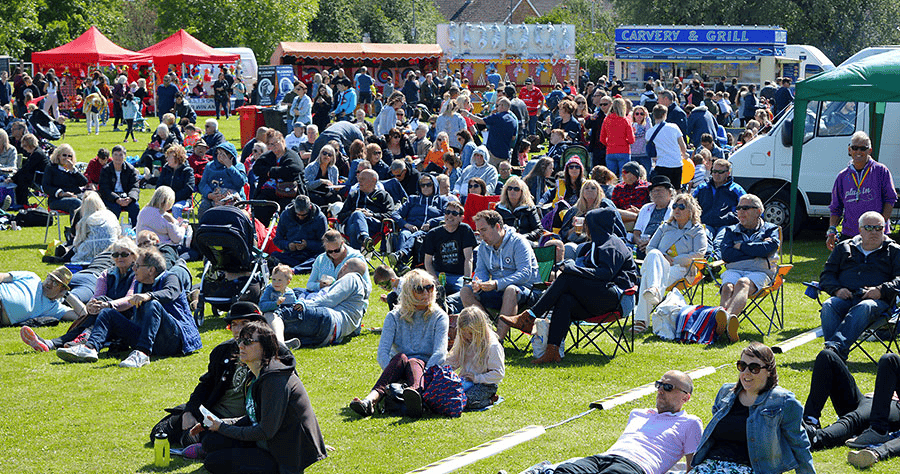
4. Auctions and Raffles
Overview:
These low-overhead events are excellent add-ons to galas or standalone fundraisers. Items for auction—ranging from local art to exclusive experiences—can often be sourced through donations.
Benefits:
- Easy to integrate into various events
- Encourages business-community partnerships
- Can be hosted virtually or in person
Success Example:
The Snowshoe Stampede in Michigan combines outdoor fun with silent auctions to support cancer initiatives.
Donor Engagement Tip: Acknowledge contributors publicly and follow up with results to strengthen relationships.

5. Benefit Concerts
Overview:
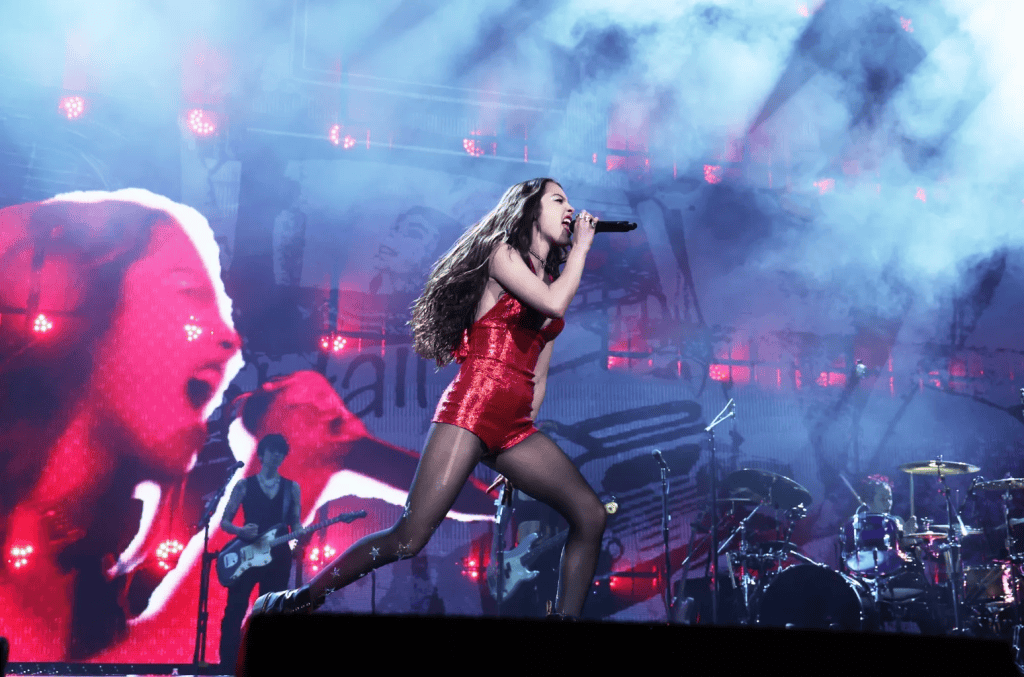
Music bridges generations and cultures, making concerts excellent for fundraising and awareness. From intimate acoustic sets to full-scale festivals, they create memorable donor experiences.
Benefits:
- Strong emotional resonance with audiences
- Broad demographic appeal
- Great for social media promotion
Success Example:
Melbourne’s Heart of St Kilda Concert features Australian musicians and comedians, raising vital funds for Sacred Heart Mission programs.
Tech Tip: Use platforms like Double the Donation to match gifts during the concert through corporate matching gift tools.
6. Themed Fun Runs
Overview:
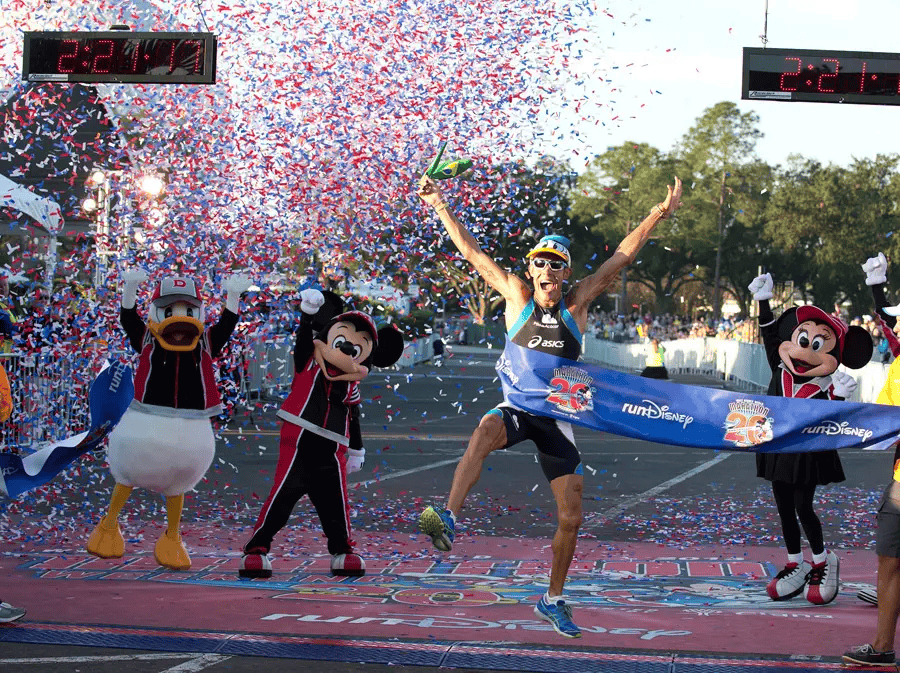
Themed runs add creativity and novelty to traditional charity walks or races. Think color runs, glow-in-the-dark races, or superhero costumes—all designed to enhance enjoyment and shareability.
Benefits:
- Fun, viral, and highly social-media friendly
- Appeals to younger audiences and families
- Encourages community participation
Success Example:
The International Women’s Day Fun Run in Townsville uses pink-themed costumes to raise awareness and funds for breast cancer research.
Pro Tip: Use hashtags and photo stations to encourage online engagement and visibility.
7. Online Giving Days
Overview:
A modern fundraising staple, online giving days capitalize on digital reach and urgency. These 24-hour donation blitzes inspire collective generosity.
Benefits:
- Low-cost with high scalability
- Capitalizes on peer-to-peer fundraising
- Drives immediate action and donor participation
Success Example:
GivingTuesday, a global movement that encourages generosity post-Thanksgiving, raised billions worldwide in 2025 alone.
Best Practice: Use email drip campaigns and SMS reminders to build momentum.
8. Sporting Tournaments
Overview:
Tournaments—whether golf, soccer, or dodgeball—combine fitness, competition, and fundraising. They’re excellent for workplace teams or school groups and often draw spectators and sponsors.
Benefits:
- Attracts players and spectators
- Corporate sponsorship opportunities
- Great for community visibility
Success Example:
“Batting for the Battlers” deserves another mention here—its format as a charity cricket tournament brings fun and purpose together.
SEO Strategy: Optimize event pages for charity events and sports fundraising queries to attract sports clubs and local leagues.

9. Workshops and Educational Classes
Overview:
Host a workshop that aligns with your nonprofit’s mission—like cooking for a food charity, financial literacy for a social service, or art therapy sessions for a mental health cause.
Benefits:
- Provides tangible value to participants
- Positions your organization as a thought leader
- Easy to host virtually or in person
Success Example:
Health nonprofits often run wellness challenges and interactive cooking demos, promoting their mission while generating donations.
Tool Tip: Use platforms like OneCause to register attendees and collect donations seamlessly.

10. Art Exhibitions and Sales
Overview:
Art exhibitions engage creative communities while supporting causes through curated showcases. Local artists contribute works, with a portion of sales donated to the cause.
Benefits:
- Appeals to art lovers and philanthropists
- Supports local creatives
- Promotes collaboration and culture
Success Example:
Nonprofits like community art centers and mental health organizations frequently host themed exhibitions, raising awareness and funds simultaneously.
Bonus Strategy: Invite artists to give talks or live paint to enhance donor participation and event interactivity.
Maximizing the Impact of Fundraising Events
To elevate these fundraising ideas into successful fundraisers, follow these event planning best practices:
- Set SMART Goals: Be specific about fundraising targets, attendance, and outcomes.
- Leverage Technology: Platforms like OneCause and Double the Donation streamline donor tracking, ticketing, and matching.
- Engage Volunteers: Empower community members to help organize and promote events.
- Promote Through Multiple Channels: Utilize email, social media, local press, and SEO-optimized landing pages.
- Follow Up: Thank donors, showcase the event’s impact, and nurture relationships for future involvement.
Final Thoughts
The key to planning impactful fundraising events is balancing donor participation with community value. Whether your goal is donor acquisition, brand awareness, or fundraising totals, events that foster meaningful experiences are more likely to build loyal supporters.
The right strategy, combined with innovative thinking and platforms like OneCause and Double the Donation, ensures that your events not only raise money but also deepen your community’s connection to your mission.
Ready to start planning your next event? Choose one of these ten proven formats, infuse it with your organization’s story, and watch your impact grow.
Related reading from Nonprofit Point
- church fundraiser ideas that actually convert — Community events draw people in; the right format closes the gift. Faith-community fundraisers that combine a shared meal, a single-page giving story, and a named-fund ask consistently outraise generic “donation drive” framing by 30-40% in our cohort.
- school-based engagement events that compound — When the community-engagement event is built around a school audience, the repeat-donor flywheel kicks in fast. Parents who give in year one give bigger and refer in year two — provided the post-event follow-up is automated, not ad-hoc.
- trivia night planning that fills the room — Of all community-engagement formats, trivia nights have the lowest cost-per-attendee and the highest social-share rate. The planning detail that separates a packed room from an empty one is team-captain recruitment three weeks out — not flyer design.
Community Engagement Fundraising Event FAQs
How many attendees do you actually need for a community-engagement fundraiser to clear $5,000 net?
The reliable benchmark is 120-180 paid attendees at a $25-$45 ticket price, with a parallel sponsorship line of $1,500-$3,000 from 3-5 local businesses. Below 100 attendees the fixed costs (venue $400-$800, food $12-$18/head, printing/permits $200) eat 55-70% of gross revenue. Above 200 attendees you cross into a different operational model that requires a paid coordinator and event-liability rider. The sweet spot is 150 attendees, $35 ticket, two $750 sponsors, projected net $3,800-$5,400 depending on F&B contract.
Which community-engagement event format has the highest net-per-volunteer-hour for first-time organizers?
Trivia nights consistently win this metric: 6-8 volunteers running a 3-hour event for 100 people typically nets $1,800-$2,800, which is roughly $90-$130 per volunteer hour – far above 5K runs ($40-$70/vol-hour after course logistics), galas ($30-$55/vol-hour), or auctions ($55-$85/vol-hour). The reasons are short setup, near-zero food cost when run BYOB or with one food-truck vendor splitting revenue, and $25 team entry fees that book ahead. The math holds in towns of 8,000 to cities of 800,000 because the unit economics scale linearly with team count.
What sponsorship structure produces the best community-engagement-event yield without making the night feel transactional?
Three-tier with caps: one Title Sponsor at $1,500 (logo on shirts, 90-second podium moment), three Hosted-Bar or Hosted-Activity sponsors at $500 each, and unlimited Friend-Of-The-Mission sponsors at $150 (printed program acknowledgment only). The caps create real scarcity on the top tiers, which is what drives a local business to upgrade from $500 to $1,500. Avoid stacking 12 logo-only $250 sponsors; it dilutes the program design and trains those businesses to give the same amount next year regardless of result.
How far in advance should community-engagement fundraising events be scheduled for maximum turnout?
Eight to ten weeks of lead time is the empirically observed sweet spot. Sub-5 weeks suppresses sponsorship pickup (corporate marketing budgets need 30 days minimum to approve a check) and forces same-week ticket buying, which compresses revenue. Past 12 weeks, attendee intent dissipates and you fight calendar conflicts. Lock the date, then push sponsor outreach in week 1-3, ticket presale in week 4-6, and a final-week reminder push that historically converts 15-22% of fence-sitters who already saw the event in their feed twice.