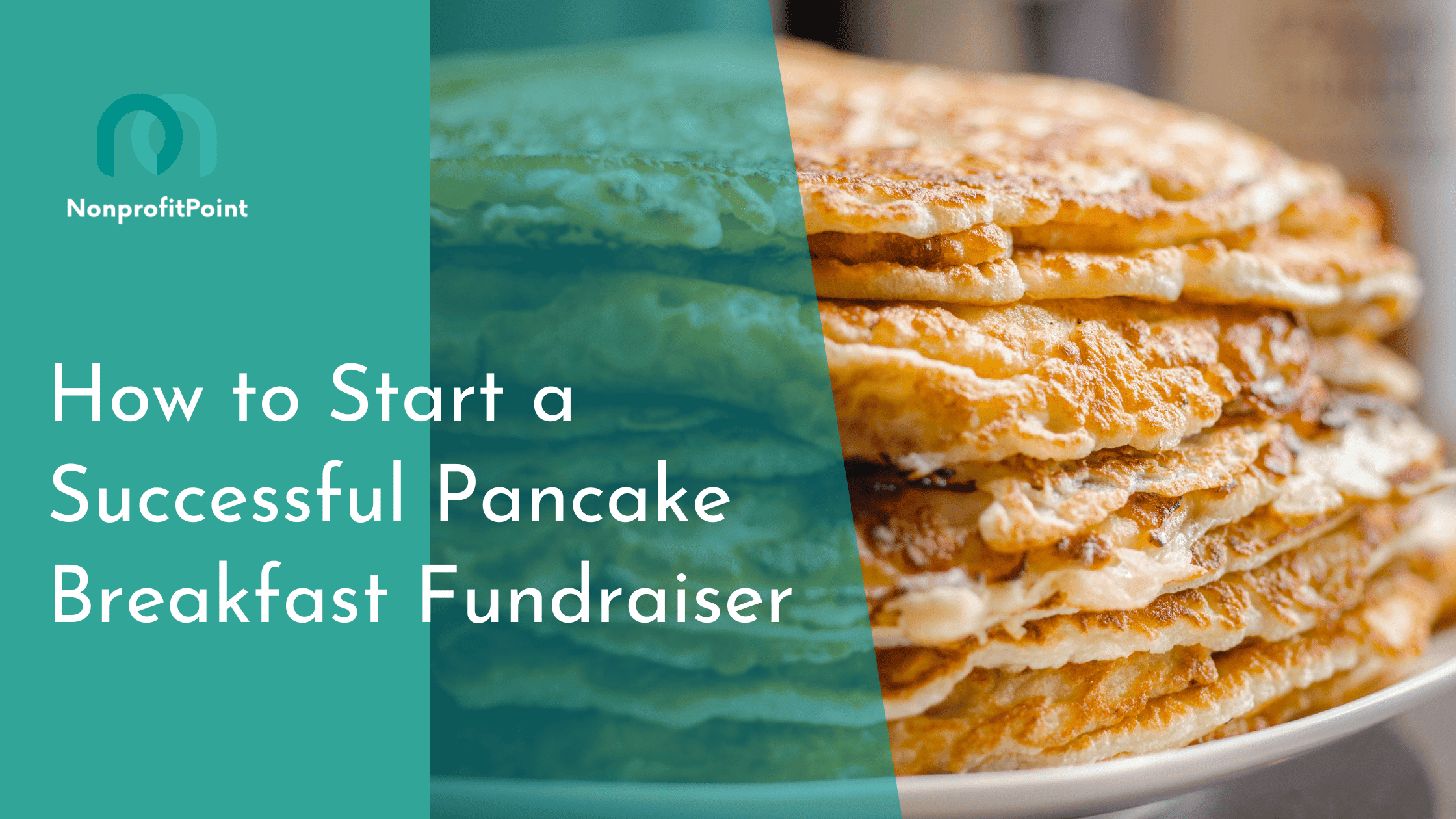
How to Have a Successful Pancake Breakfast Fundraiser (8-Step Guide)

Editor’s Note — Updated May 2026. Our team reviews nonprofit and fundraising guides quarterly, cross-referencing program details against Charity Navigator, CharityWatch, GuideStar/Candid, and BBB Give.org — and we publish program or naming updates within 7 days of verified changes. Spotted an outdated name or broken link? Email team@nonprofitpoint.com and we’ll correct the record.
Charity pancake breakfasts are a great way to support your community while raising money for your organization at the same time. However, coming up with a good idea that is also effective and profitable can be a challenge.
But don’t worry, with careful planning and proper preparation, you can host a successful pancake breakfast fundraiser event. To help you get started, here are some tips on how to have a successful pancake breakfast fundraiser.
You’ll learn about preparing an organizing committee, choosing an ideal date, choosing an ideal location, creating an effective marketing plan, and much more.
How to start a successful pancake breakfast fundraiser (8-steps):-
- Organizing a Successful Pancake Breakfast Fundraiser
- Hiring Professional Organizers
- Plan your event well in advance
- Come up with a Commercially Viable Idea
- Select a date and time that is convenient for most people
- Choose an ideal location
- Develop a marketing plan
- Make a final decision on your menu and price point
- Final Words
- Frequently Asked Questions:
Organizing a Successful Pancake Breakfast Fundraiser
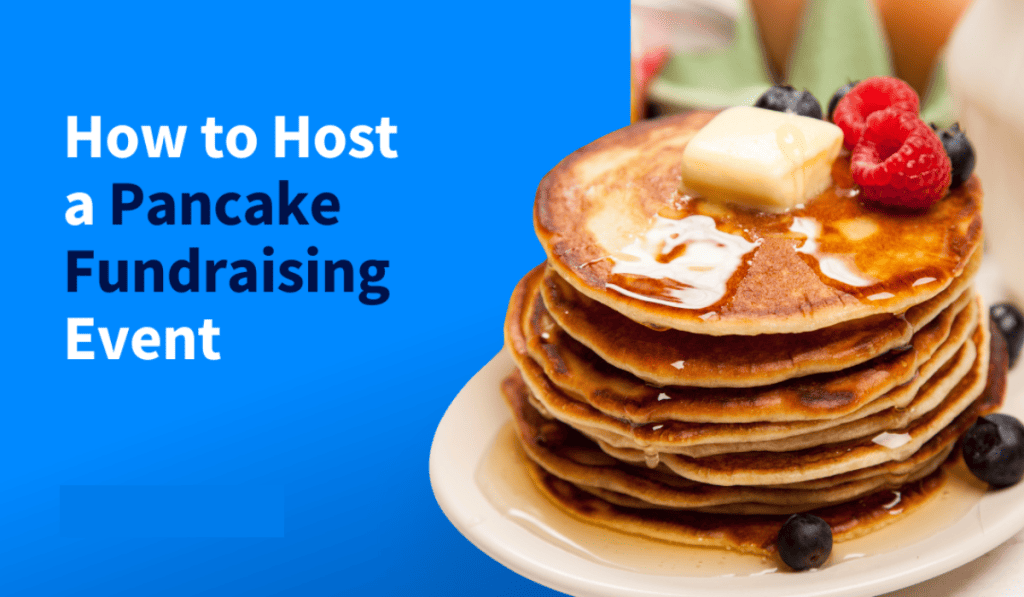
To organize a successful pancake breakfast fundraiser, you’ll need to select a date and a location, find sponsors and supplies and create an effective marketing plan.
These three factors have a significant impact on the success or failure of your event. If you want to host a successful pancake breakfast fundraiser, it’s important to start organizing well in advance.
While you can host pancake breakfasts year round, you’ll want to pick a date that is convenient for most people. It’s not a good idea to host a pancake breakfast during the holidays or on a major holiday weekend such as Thanksgiving, Labor Day, or New Year’s Day.
Hiring Professional Organizers
If you’ve never hosted a pancake fundraiser before, you may want to hire a professional organizer. A professional pancake breakfast fundraiser organizer can help you come up with a profitable idea, select a date and location, and generate a marketing plan.
They can also help you to negotiate a good rate with a hotel or other venue. Luckily, there are plenty of pancake breakfast fundraiser organizers out there, but you need to choose wisely. There are many shady organizations out there that will promise you the world but will probably never deliver.
To choose a reliable and reputable pancake breakfast fundraiser organizer, do your research and read online reviews. You can also ask around and see if anyone has a recommendation.
Plan your event well in advance
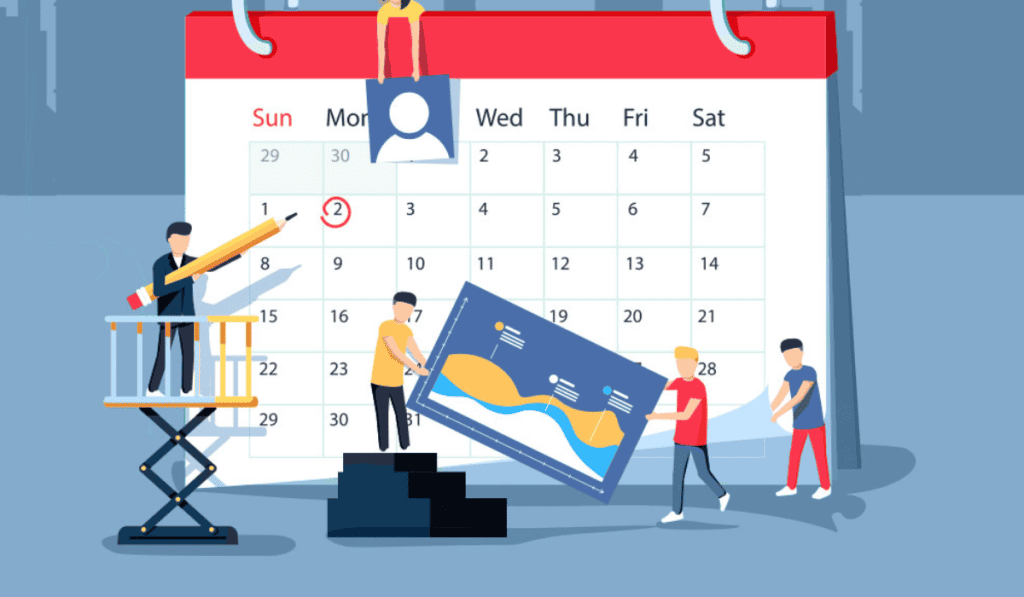
You need to start researching and organizing your event about six to eight weeks before your desired date. Ideally, you should pick a weekend, such as the last weekend in September or the first weekend in October.
This will allow families to come together and celebrate. You may want to select an event weekend that includes mornings and afternoons so that families with younger kids can attend.
Hosting your pancake breakfast fundraiser on a weekend also ensures that you will have more attendance than on a weekday. But keep in mind that weekends are also more competitive when it comes to event attendance. That’s why it’s important to start planning as early as possible.
Come up with a Commercially Viable Idea

What do we mean by the commercially viable idea? For example, you could host a pancake breakfast with games and activities or a pancake breakfast with a raffle and auction.
You could also host a pancake breakfast that is themed or has a special guest. What is most important is that you come up with an idea that is both fun and profitable.
Keep in mind that the more creative and unique your pancake breakfast event is, the more people will talk about it. This will also help to generate more interest and attendance. Keeping your pancake breakfast event fun and entertaining is important, but you also need to make sure it’s profitable.
This means coming up with a profitable fundraising idea, such as a pancake flipping competition or pancake eating contest. It’s also a good idea to make your fundraising event interactive and engaging so that people will want to participate.
Select a date and time that is convenient for most people
The next thing you need to do is select a date and time that is convenient for most people. Ideally, you should select a date that is either the weekend or on a weekday. While weekend events are more popular, weekday events are easier to promote. This is because most people with kids have less time on the weekend.
You may also want to consider hosting your pancake breakfast fundraiser during the off-season. This would be October, November, February, and March. This is when people are less busy because it’s before Halloween, Thanksgiving, and Christmas.
It’s also when people are less busy because it’s before spring break and Easter.
Choose an ideal location
The next thing you need to do is choose an ideal location. Ideally, you should select a location that is centrally located. You should also choose a location that is accessible to people, such as a school or community center.
You can also consider hosting your pancake breakfast at a hotel or restaurant. If you’re hosting your pancake breakfast at a restaurant or hotel, make sure to negotiate a good rate with the manager.
It never hurts to ask, and it could save you a lot of money.
Develop a marketing plan
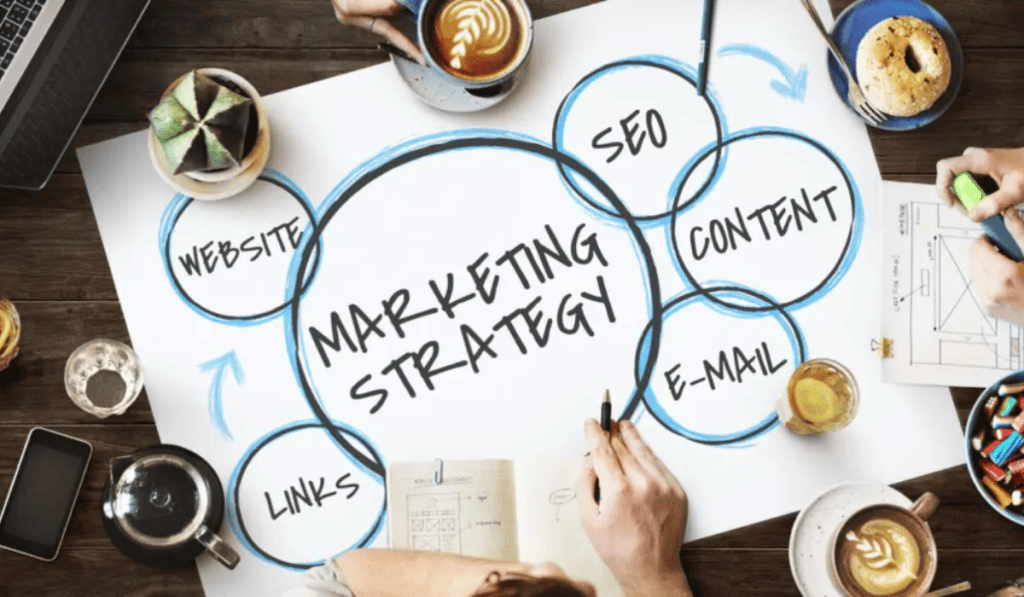
Now that you’ve come up with a profitable and commercially viable idea and picked a date and location, it’s time to develop a marketing plan. When it comes to marketing your pancake breakfast fundraiser, you have two options.
You can either hire a professional pancake breakfast fundraiser marketing company or you can do it yourself. If you decide to do it yourself, here are some tips on how to create a successful pancake breakfast fundraiser marketing plan.
First, start promoting your pancake breakfast as early as possible. Ideally, you should start promoting your event about four to six weeks before the event date. You can do this by creating an event page on social media, sending out email blasts, creating flyers and posters, and engaging the media. You can also host a VIP event to get your word out early.
Make a final decision on your menu and price point
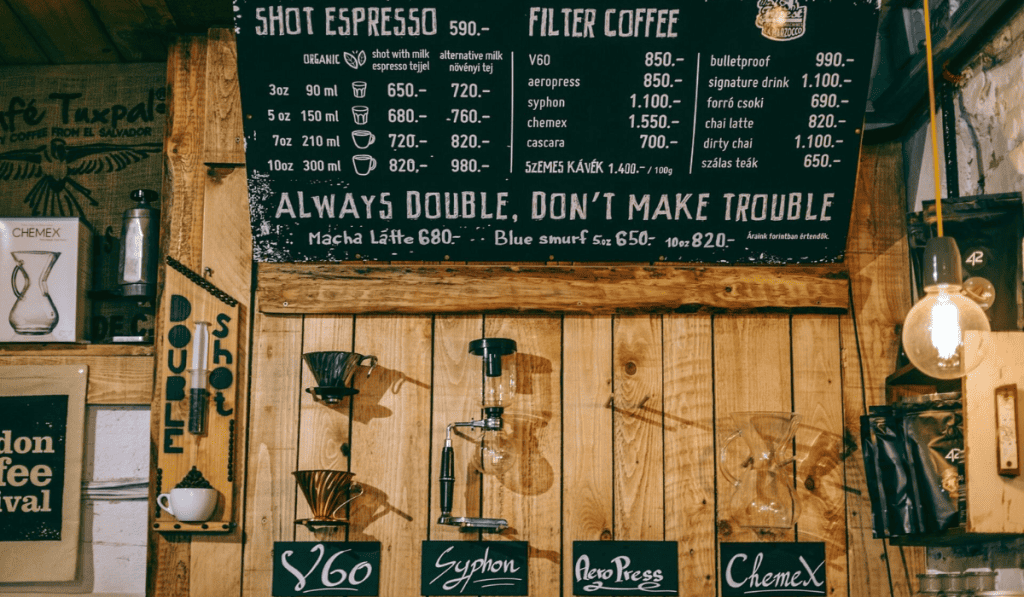
You can either offer a pancake-only menu, or you can also offer a full menu as well. What is most important is that you offer a menu that people will want to eat. If you’re hosting a pancake dinner, you may want to consider serving dishes that complement your pancake dishes, such as fruits and vegetables.
You may also want to offer beverages such as coffee and juice. You also need to decide on a price point for your pancakes. While you may want to offer your pancakes for free, it’s a good idea to charge a small amount for them as well.
This will help to cover the cost of ingredients, supplies, and labor.
Final Words
You should now be ready to host your pancake breakfast fundraiser. It’ll take an estimated four to six hours from start to finish, so make sure to plan ahead. Plan ahead by selecting a date that works well with your community and a location that people will find easily accessible.
With careful planning and proper preparation, you can now successfully host a pancake breakfast fundraiser event.
Feel free to share this with the needy.
Frequently Asked Questions:
What can we have on a pancake fundraiser menu?
You could have a themed pancake fundraiser menu with different toppings for each pancake like sprinkles (for kids’ pancake fundraisers), honey (for honey bee awareness fundraisers) or raisins (for diabetes awareness fundraisers). You could also have pancakes with different fillings like berries (for fruit tree plantings) or chocolate chips (for chocolate donations).
There are many ways to make pancakes that you can try out depending on your personal tastes. Flavored pancakes are great because they will appeal to a variety of people.
You can also do something fun like having a pancake decorating contest! Pancake fundraisers don’t have to be just for kids. Adults can also enjoy them and make some extra money by selling pancakes with their friends at school or work.
What are some pancake breakfast fundraiser ideas?
Pancake breakfast fundraiser ideas include anything from selling pancakes and coffee to raffles. The easiest way to raise money is by selling pancakes and coffee. Not only will you be able to raise money for your cause, but you’ll also be able to sell some extra breakfast food!
There are also other ways to raise money for a pancake breakfast fundraiser. Raffles are popular because they’re easy to conduct and yield a high payout.
You can also host a live-streaming pancake breakfast fundraiser on Facebook or YouTube, or even use an online donation platform like GoFundMe, or Donorbox.
Once you have an idea of what kind of pancake breakfast fundraiser you want to organize, it’s time to begin planning!
Pancake Breakfast Fundraiser FAQs
How much can a pancake breakfast fundraiser realistically raise in 2026?
Working benchmarks by audience and program structure. (1) Small church or Boy Scout pancake breakfast (50-150 attendees, $5-$8 per plate, simple short-stack-and-sausage menu, all-volunteer cooking): $300-$1,400 net. (2) Mid-size community pancake breakfast (150-400 attendees, $8-$12 per plate, expanded menu with bacon, eggs, and fresh fruit, optional 50/50 raffle, silent auction at the side): $2,500-$12,000 net. (3) Annual all-you-can-eat ‘Pancakes for a Cause’ community fundraiser (400-1,200 attendees, $10-$15 per ticket, sponsor banners, kid zone, silent auction, branded merch, 4-6 hour run): $10,000-$70,000 net. The single biggest revenue lever isn’t the plate price – it’s the average gift per attendee, which moves from $5-$8 (plate-only) to $12-$25 (plate + jar gift + silent auction interaction) when the event is structured properly. The donation jar at the cashier with copy framing a specific outcome (‘every $20 funds one weekend backpack for a hungry student’) is the single highest-ROI element of any pancake breakfast and commonly adds $400-$3,000 in pure-margin revenue beyond the plate sales. Pancake breakfasts also produce a much higher percentage of repeat attendees year-over-year (typically 55-75%) than newer fundraiser formats, which makes them the ideal vehicle for a structured email-capture and recurring-giving onboarding pipeline.
What’s the right food sourcing, kitchen, and serving structure for a pancake breakfast?
Working rules across volume tiers. (1) Plan on 3-5 pancakes per attendee on average (some kids eat 2, some adults eat 6); for 200 attendees that’s ~800 pancakes. A 36-inch commercial griddle outputs ~150-200 pancakes per hour at full capacity; a residential 2-burner griddle outputs ~30-40 pancakes per hour. Mid-size events need 2-3 commercial griddles or 5-8 residential griddles running in parallel to keep the line moving during the 8am-10am peak. (2) Source pancake batter through restaurant supply (Krusteaz, Bob’s Red Mill foodservice, Sysco) at $0.10-$0.20 per pancake versus $0.40-$0.60 retail – the bulk-pricing differential typically flows straight to net. Maple syrup at $25-$45 per gallon foodservice grade serves ~80-100 attendees per gallon at 1-1.5oz per attendee. Bacon, sausage, eggs and coffee are the highest-margin add-ons (60-75% gross margin); fresh fruit is the lowest-margin (40-55%) but signals ‘quality’ which lifts the suggested-donation jar performance. (3) Serving structure – ‘all you can eat’ single-line buffet works for under 200 attendees; for larger events use a ticket-and-numbered-plate system to control throughput. One volunteer per 35-50 attendees in line keeps the wait time under 15 minutes during the peak hour. (4) Always source in-kind donations from a local grocer 3-6 weeks before the event – approach a regional or local chain (Aldi, Costco, Sam’s Club, Walmart Neighborhood Market, regional independent grocer) with a 501(c)(3) determination letter requesting a $200-$800 in-kind product donation in exchange for a sponsor banner and program recognition. The conversion rate is typically 30-50% on warm asks and the food-cost difference flows entirely to net.
What’s the layered revenue stack that turns a $1,500 pancake breakfast into a $10,000+ event?
Programs that only sell plates leave 50-75% of available revenue on the table. The proven stack. (1) Sponsor banners at $100-$1,500 per sponsor with 8-30 sponsors typical ($800-$15,000 in pre-event revenue paid before any pancake gets cooked). (2) Suggested-donation jar at the cashier with named-outcome copy ($400-$3,000 in pure-margin gifts on top of plate revenue). (3) Silent auction with 15-40 items running during the 2-3 hour event window ($1,500-$8,000 net) – items donated from local businesses and member-services trades. (4) Children’s craft table or balloon-twister booth at $2-$5 per craft ($100-$800 net) – increases per-family dwell time which lifts side-revenue conversion. (5) Branded merchandise table – ‘Cause’ t-shirts and coffee mugs at $15-$25 retail and 40-55% margin: $300-$2,500 net. (6) Recurring-giving signup table with a tablet running a Givebutter, Donorbox, or Bloomerang monthly-giving page; staff with a clipboard recruiting ‘Sustaining Members’ at $10-$50/month. Most pancake breakfasts skip this entirely; the small handful that include it typically convert 2-6% of attendees to monthly giving, which produces $2,000-$15,000 in year-1 recurring revenue from a single 4-hour event. (7) 50/50 raffle drawn at the end of the event ($1-$5 tickets, $200-$2,500 raised). (8) Coffee-and-pastry add-on at the cashier ($2-$4 per cup at 70-85% margin, $200-$1,500 net). Programs that run six or more of these layers consistently clear $8,000-$25,000 on a 300-person breakfast where plate sales alone would have netted $1,800.
What’s the most common mistake organizers make with pancake breakfasts in 2026?
Running the breakfast as a cash-only operation and missing 25-45% of available per-attendee revenue because under-40 attendees and most families carry little cash. The failure pattern: a church pancake breakfast nets $1,200 on 200 attendees ($6 average per head), parents pay for kids with cash, and the suggested-donation jar collects $80 – the same event with Square readers at every cashier station, a posted Venmo or Cash App charity QR code, and a tablet at the entry running an online donation form typically clears $2,800 on the same 200 attendees ($14 average per head). The cashless layer also enables tap-and-give donation amounts at $5, $10, $20 preset buttons which convert 3-8x the giving rate of a cash-only donation jar. The fix is non-negotiable: every pancake breakfast in 2026 should have card acceptance through a $0/mo Square Reader or Stripe Tap-to-Pay setup, a posted Venmo/Cash App charity-account QR code at every cashier station, and a tablet at the entry running an online donation form for tap-and-give moments. The setup cost is under $50 and the per-event revenue lift is typically 30-80%. The second-most-common miss is undershooting the per-plate price – in 2026 a $5 plate signals ‘low value’ to donors who associate higher prices with better events. Move the plate to $10-$15, anchor the average gift higher, and let the donation jar pick up the family-budget pricing concern. The third miss: not capturing emails at the entry – pancake breakfasts attract a higher percentage of return attendees year-over-year than almost any other fundraising format, and skipping email capture means the same audience has to be re-acquired every year instead of cultivated through a monthly newsletter and an annual appeal.