
How to Host a Successful Charity Gala: A Comprehensive Guide for Nonprofits

Editor’s Note — Updated May 2026. Our team reviews nonprofit and fundraising guides quarterly, cross-referencing program details against Charity Navigator, CharityWatch, GuideStar/Candid, and BBB Give.org — and we publish program or naming updates within 7 days of verified changes. Spotted an outdated name or broken link? Email team@nonprofitpoint.com and we’ll correct the record.
Hosting a charity gala can be a transformative event for nonprofits, offering the chance to raise significant funds, engage with donors, and spread awareness about your mission. This guide will walk you through every step of the process, ensuring your gala stands out as a high-quality, SEO-friendly resource.
Table of Contents
- Introduction to Charity Galas
- Why Host a Charity Gala? Key Benefits
- Step-by-Step Planning Guide
- Setting Goals and Objectives
- Creating a Budget
- Choosing the Right Venue
- Selecting a Theme
- Engaging Your Audience
- Marketing Strategies
- Attracting Sponsors
- Ticket Sales and Pricing
- Event Day Execution
- Program Flow
- Mission Moment
- Auctions and Fundraising Activities
- Post-Event Follow-Up
- Key Tips for Long-Term Success
- Common Challenges and How to Overcome Them
- Additional Resources for Nonprofits
Introduction to Charity Galas
A charity gala is a formal fundraising event designed to bring supporters together for a shared cause. Galas typically include dinner, entertainment, auctions, and emotional storytelling moments that connect guests to your nonprofit’s mission. They are an opportunity to inspire generosity while strengthening relationships with donors.

Why Host a Charity Gala? Key Benefits
Charity galas are more than just fundraisers. They can:
- Raise significant funds through ticket sales, auctions, and donations.
- Boost your nonprofit’s visibility and credibility within the community.
- Strengthen relationships with donors and sponsors.
- Create a platform for sharing impactful stories.
- Provide networking opportunities for supporters.

Step-by-Step Planning Guide
1. Setting Goals and Objectives
Define clear, measurable goals for your event. These might include:
- Raising a specific amount of funds (e.g., $100,000).
- Attracting a certain number of attendees (e.g., 250 guests).
- Securing a specific number of new donors or sponsors.
Use SMART goals (Specific, Measurable, Achievable, Relevant, Time-bound) to guide your planning process.

2. Creating a Budget
Develop a comprehensive budget that accounts for all expenses and revenue streams. Key components include:
| Expense | Estimated Cost | Notes |
|---|---|---|
| Venue rental | $5,000–$10,000 | Include setup and cleanup fees. |
| Catering and bar service | $50–$150 per guest | Opt for buffet or plated meals. |
| Entertainment | $2,000–$5,000 | Consider live bands or speakers. |
| Marketing and promotions | $1,000–$3,000 | Include digital ads and print. |
| Decorations | $500–$1,500 | Align with your theme. |

3. Choosing the Right Venue
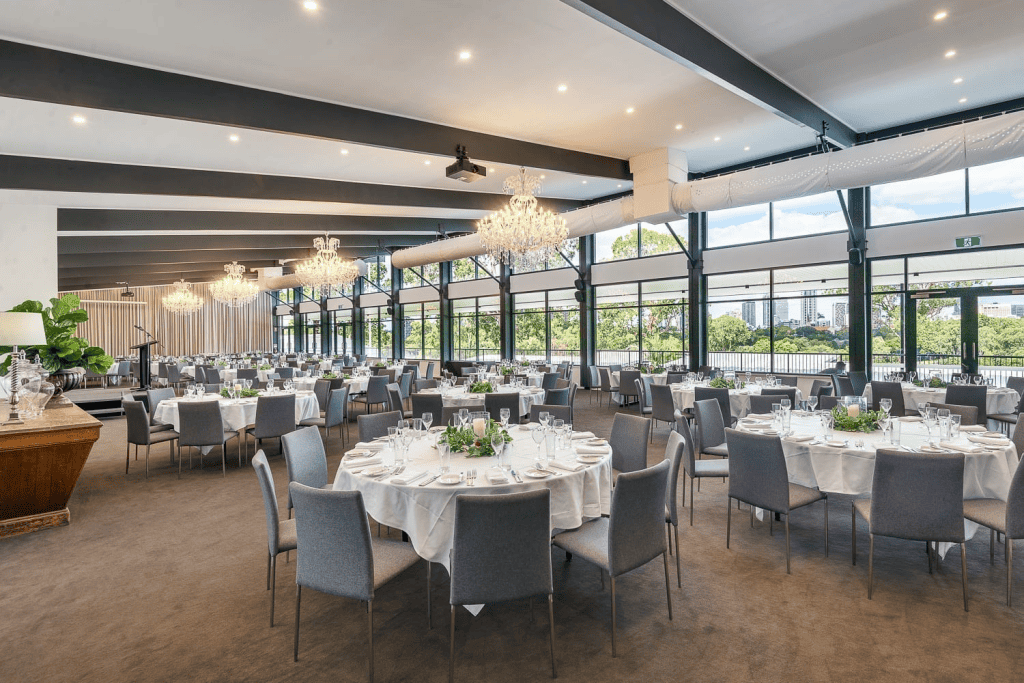
Select a venue that aligns with your theme, accommodates your audience, and provides the necessary facilities (e.g., AV equipment, parking). Popular options include:
- Hotels
- Ballrooms
- Museums
- Outdoor spaces
4. Selecting a Theme
A strong theme creates excitement and cohesion. Examples include:
- Masquerade Ball: Mysterious and elegant.
- Roaring Twenties: A nod to the glitz and glamor of the 1920s.
- Casino Night: Fun and interactive.

Engaging Your Audience
Marketing Strategies
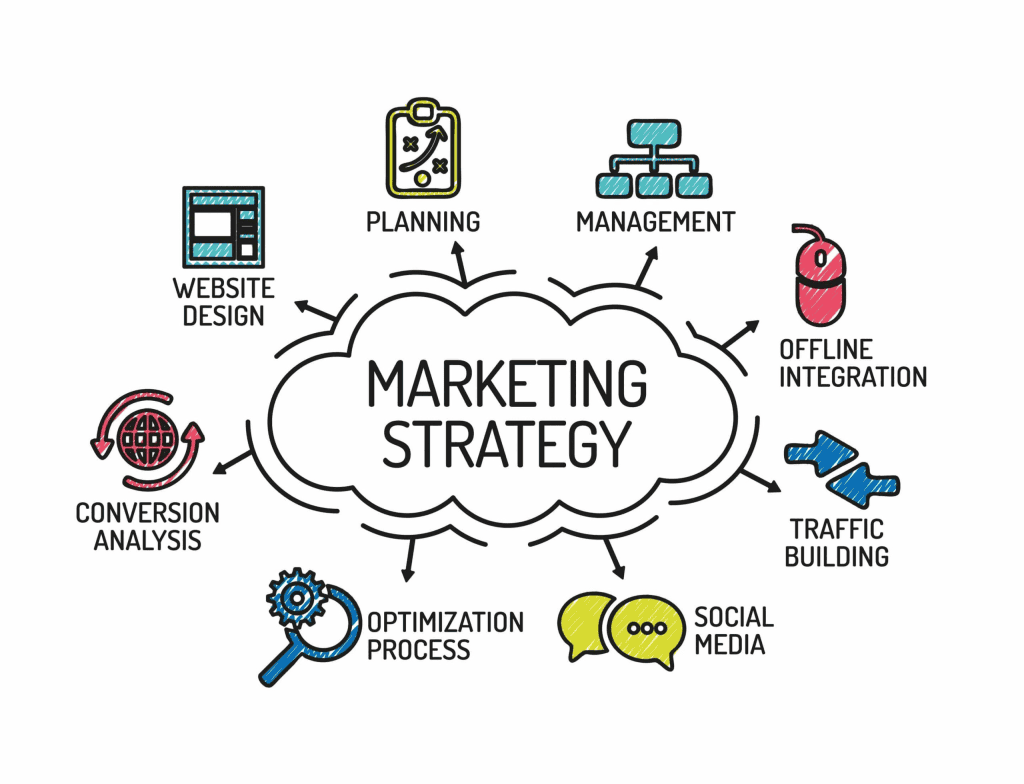
Promote your gala across multiple channels to reach your target audience. Use:
- Email Campaigns: Announce early bird ticket sales.
- Social Media: Share event teasers and updates.
- Community Partnerships: Collaborate with local businesses.
Pro Tip: Optimize your event page for SEO by using keywords like “charity gala,” “fundraising dinner,” and “nonprofit events.”
Attracting Sponsors
Offer sponsorship packages with clear benefits, such as:
- Logo placement on event materials.
- Recognition during speeches.
- Complimentary tickets or VIP perks.
Ticket Sales and Pricing
Offer tiered pricing to maximize attendance:
- General Admission: $100–$150
- VIP Tickets: $200–$300 (includes perks like premium seating or a pre-event reception)

If your gala includes a silent or live auction, the platform you pick decides how much of the night’s revenue you actually keep. Our guide to the best nonprofit auction software compares what thirteen platforms charge once the licence, the cut of proceeds and the card processing rate are added together, and covers the IRS disclosure rules that apply the moment you take a bid.
Event Day Execution
Program Flow
A well-organized timeline ensures a seamless event.
| Time | Activity |
|---|---|
| 6:00 PM | Cocktail Hour (Networking) |
| 7:00 PM | Dinner Service |
| 7:45 PM | Opening Remarks |
| 8:00 PM | Keynote Speaker |
| 8:30 PM | Live Auction |
| 9:00 PM | Mission Moment |
| 9:30 PM | Entertainment |
Mission Moment
Share a powerful story or video showcasing your nonprofit’s impact. Highlight how donations have changed lives and emphasize the importance of continued support.

Auctions and Fundraising Activities
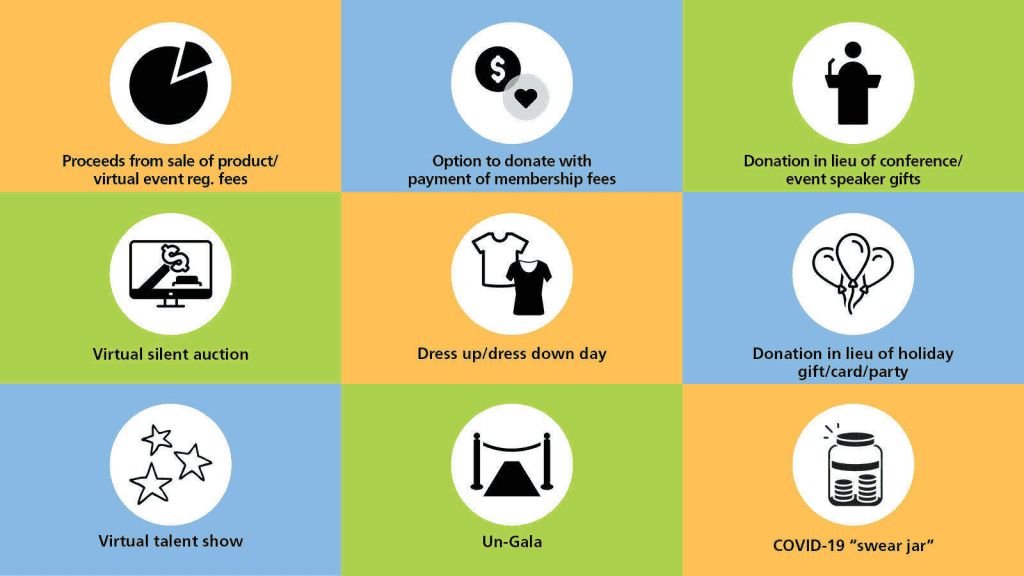
- Live Auction: Hire a charismatic auctioneer for high-value items (e.g., vacation packages).
- Silent Auction: Use mobile bidding platforms for convenience.
- Fund-a-Need Paddle Raise: Inspire donations for specific initiatives.
Post-Event Follow-Up
- Send personalized thank-you emails to attendees, donors, and sponsors.
- Share event highlights on social media (photos, videos, fundraising totals).
- Provide updates on how the funds will be used.

Key Tips for Long-Term Success
- Build relationships with attendees year-round.
- Use donor feedback to improve future events.
- Develop a gala playbook for streamlined planning.
Layer your gala with these proven revenue multipliers
Most charity galas leave $20K-$80K on the table by relying only on ticket revenue and a paddle raise. The galas that clear $250K+ pair the headline event with these compounding programs — borrow what fits your audience:
- Trivia night fundraiser ideas — between-course trivia segments at galas drive table-vs-table competitive bidding 30-60% above baseline — these trivia formats slot natively into a 4-hour gala timeline and turn passive diners into engaged participants.
- Donation jar wording ideas — table-side donation cards and dessert-bar jars with mission-specific wording capture the 25-40% of attendees who didn’t bid on auction items — these jar headlines lift cash-collection 2-3x at gala scale.
- Another name for church fundraisers — faith-based and parish galas convert 15-35% higher when “gala” is renamed to a mission-aligned term (stewardship gathering, vocation banquet, harvest celebration) — these renaming patterns translate directly to invitation, signage, and program copy.
Common Challenges and How to Overcome Them
| Challenge | Solution |
|---|---|
| Low ticket sales | Launch early bird discounts and promotions. |
| Budget constraints | Secure in-kind donations and sponsors. |
| Guest engagement | Incorporate interactive elements (e.g., raffles) |
Charity Gala Planning FAQs
What’s a realistic net-revenue target for a first-time charity gala?
Plan for $30,000–$75,000 net for a first-time gala of 150–250 guests at $150–$250 per ticket, assuming you sell at least 60% of capacity, secure 3–5 corporate sponsors at $2,500–$10,000 each, and run a live auction with 8–12 high-value items. Galas in the 75–150 guest range typically net $15,000–$40,000 but cost relatively more per guest because venue and AV minimums don’t scale down. Sustained-year galas (year 3+) at 250–400 guests with established sponsor and auction-item pipelines clear $90,000–$250,000 net. Critical math: target a 25–35% cost-of-event ratio (venue, food, AV, decor, printing) — anything above 40% means you’re overbuying on production for the gross you’ll generate.
How far in advance should you start planning a gala, and what’s the timeline?
Working timeline for a 200-guest fundraiser gala is 10–14 months. Lock the date, venue, and gala chair 12+ months out (top venues book 9–14 months ahead in major metros). Recruit the host committee and define the giving tiers 9–10 months out. Open sponsor outreach 8 months out — sponsors at the $5K+ level need 4–6 month lead time to slot into their corporate giving calendars. Open ticket sales 4–5 months out at the early-bird price, transition to standard pricing 8 weeks out. Send save-the-dates 6 months out, formal invitations 8 weeks out, final RSVP reminders at T-14 days and T-3 days. Auction-item solicitation should run 5–7 months out for in-kind donations (procurement is the longest single phase of gala planning and is where most rookie galas fall short).
Live auction, silent auction, or both — and what items actually sell at a gala?
Run both for galas of 150+ guests; silent-auction-only for galas under 100. Silent auctions monetize the cocktail hour and pre-dinner mingling window and net $4,000–$12,000 for a small gala of 100–150 with 25–40 mid-tier items ($75–$400 retail value). Live auctions handle the post-dinner emotional-momentum window and require 6–10 prestige items ($500–$5,000 retail value) plus a skilled auctioneer (budget $800–$2,500 for a pro or use a charismatic local board member with auction experience). High-converting auction categories in 2026: travel and experiences (private dining, behind-the-scenes tours, sports box experiences), unique services (private chef dinner for 8, photography session, custom artwork), and consumables (premium wine vertical lots, restaurant gift card stacks). Avoid jewelry, watches, and electronics — they price-anchor against retail and rarely bid above 60% of retail value.
What’s the biggest mistake first-time gala organizers make?
Treating the gala like an event rather than a fundraising operation. The single highest-leverage moment of a gala is the paddle-raise (also called fund-a-need or fund-the-mission) — typically 12–25 minutes after the main course is cleared, when the host or a beneficiary delivers a 3-minute story followed by a structured ask at descending dollar levels ($10K, $5K, $2,500, $1,000, $500, $100). Done well, the paddle-raise nets 30–60% of total gala revenue. Rookie organizers either skip the paddle-raise entirely (because it feels uncomfortable to ask) or run it after dessert when guests are leaving and emotional energy has dissipated. The second-most-common miss is not assigning table captains — each table of 8–10 should have one captain who’s responsible for filling the seats and warming the table up for the paddle-raise ask.