8 Charities That Help With Dental Bills | Free Dental Care Programs

Dental care is one of the most expensive and least covered areas of healthcare in the United States. With the average root canal costing $700 to $1,500 and a single dental implant running $3,000 to $5,000, millions of Americans delay or skip dental care entirely due to cost. Fortunately, several charitable organizations and programs exist to help individuals and families access affordable or free dental care.
In this guide, we cover the best charities and programs that help with dental bills, how to qualify, and what services they provide.
1. Dental Lifeline Network
Dental Lifeline Network operates the Donated Dental Services (DDS) program, which connects people who cannot afford dental care with volunteer dentists who provide treatment for free. The program serves people with disabilities, elderly individuals, and those who are medically fragile. Since its founding, the organization has provided over $400 million in donated dental treatment. To qualify, applicants must have no other means of obtaining dental care, including insurance or the ability to pay. The application process involves contacting your state’s DDS coordinator.
2. Give Kids a Smile (American Dental Association)
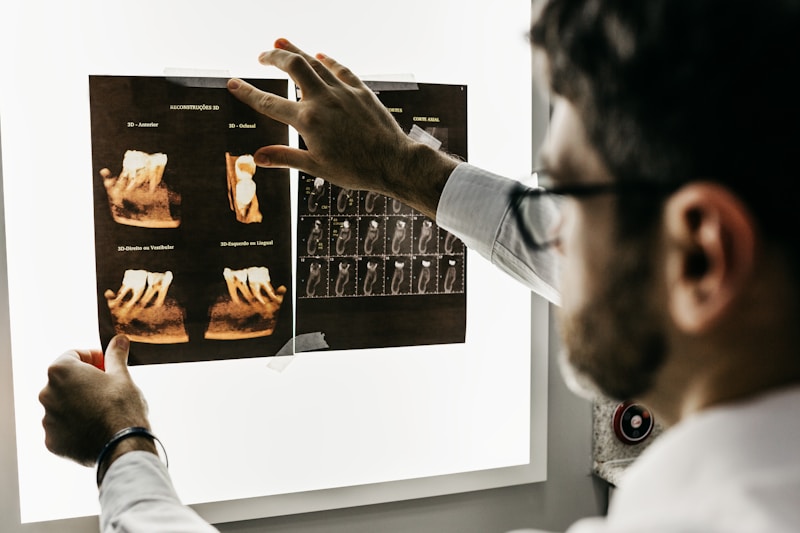
Give Kids a Smile is the American Dental Association’s flagship charitable program, providing free dental care to children from low-income families. Each year, approximately 350,000 children receive free dental services through the program, including cleanings, fillings, extractions, and preventive care. Events are held throughout the year across the country, with the largest concentration in February during National Children’s Dental Health Month. Contact your state dental association or visit the ADA website to find events near you.
3. Remote Area Medical (RAM)
Remote Area Medical organizes large-scale volunteer medical clinics across the United States, offering free dental care alongside medical and vision services. Their weekend clinic events attract thousands of patients and provide services including extractions, fillings, cleanings, and dentures — all completely free. RAM clinics are first-come, first-served, and patients often line up the night before. Check their website for upcoming clinic locations and dates. These events are particularly valuable in rural and underserved communities where dental care access is extremely limited.
4. National Foundation of Dentistry for the Handicapped
Now known as Dental Lifeline Network, this organization specifically focuses on providing dental care to people with physical, mental, or medical conditions that make it difficult to access traditional dental services. Their volunteers include over 15,000 dentists and 3,500 dental labs nationwide. Services range from basic cleanings and fillings to complex restorative work like crowns, bridges, and dentures. The program is available in all 50 states.
5. Federally Qualified Health Centers (FQHCs)
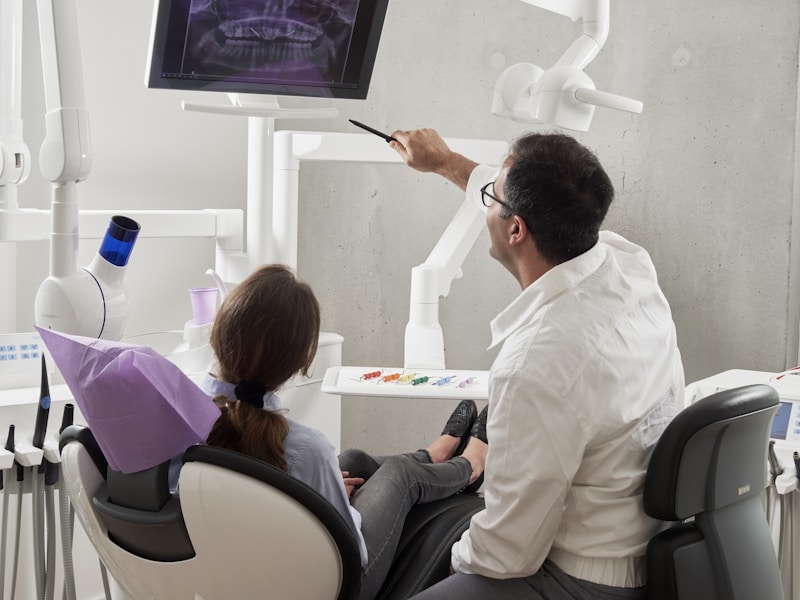
Federally Qualified Health Centers receive government funding to provide healthcare, including dental services, to underserved communities. FQHCs offer dental care on a sliding fee scale based on your ability to pay — meaning you pay only what you can afford. Many patients pay as little as $20 to $40 for a visit. There are over 1,400 FQHCs across the country with nearly 15,000 service delivery sites. Visit the HRSA website at findahealthcenter.hrsa.gov to locate an FQHC near you.
6. Dental Schools
Dental schools offer supervised dental care at significantly reduced costs — typically 50% to 80% less than private practice prices. Treatment is performed by dental students under the close supervision of experienced faculty dentists, ensuring quality care. Services include cleanings, fillings, crowns, root canals, extractions, and dentures. The tradeoff is that appointments typically take longer than a private dental office. There are approximately 70 accredited dental schools in the U.S. — contact schools near you to inquire about their patient clinics.
7. Smiles Change Lives
Smiles Change Lives focuses specifically on orthodontic care (braces) for children and teens from low-income families. Traditional braces cost $5,000 to $7,000, making them unaffordable for many families. Through this program, qualifying families pay only $650 for comprehensive orthodontic treatment provided by volunteer orthodontists. Children ages 10-18 from families earning below 200% of the federal poverty level are eligible. Applications are available year-round through their website.
8. State and Local Dental Assistance Programs
Many states offer dental assistance beyond Medicaid:
Medicaid Dental Coverage: While adult dental benefits under Medicaid vary by state, all states are required to provide dental coverage for children under Medicaid and CHIP. Some states offer comprehensive adult dental coverage including preventive care, basic procedures, and major restorative work. Check your state’s Medicaid program for specific dental benefits.
State Dental Association Programs: Many state dental associations run charitable programs similar to Give Kids a Smile. Contact your state dental association to learn about free dental clinics, reduced-cost programs, and emergency dental assistance available in your area.
United Way: Local United Way chapters often fund dental assistance programs or can connect you with dental resources in your community. Dial 211 to be connected with your local United Way’s information and referral service.
How to Get Emergency Dental Care When You Can’t Afford It
Dental emergencies don’t wait for financial stability. If you’re experiencing severe tooth pain, swelling, or a dental injury and can’t afford treatment, here are your options:
Emergency Rooms: While hospital ERs generally can’t provide dental treatment, they can manage pain, prescribe antibiotics for infections, and stabilize your condition. ER visits may be covered by Medicaid or charity care programs if you’re uninsured.
Dental School Emergency Clinics: Many dental schools operate emergency clinics that accept walk-in patients with urgent dental problems. Costs are significantly lower than private practice emergency visits.
Free Clinic Directories: Organizations like FreeClinics.com and NeedyMeds maintain directories of free and reduced-cost dental clinics by state. These resources can help you find immediate care in your area.
Payment Plans: Many dentists offer payment plans or work with financing companies like CareCredit and LendingClub to break large dental bills into manageable monthly payments. Ask about these options before accepting treatment — many offices don’t advertise their financing options.
Frequently Asked Questions
What charities help pay for dental implants?
Dental implants are among the most expensive dental procedures, and few charities cover them specifically. However, Dental Lifeline Network’s Donated Dental Services program may provide implants if a volunteer dentist offers the service. Some dental schools place implants at significantly reduced costs. Organizations like the Dental Implant Cost Guide maintain lists of programs and financing options for implant patients. For other financial assistance, see charities that help with medical bills.
Does Medicaid cover dental work for adults?
Adult dental coverage under Medicaid varies significantly by state. Some states provide comprehensive dental benefits including preventive care, fillings, extractions, and dentures, while others offer only emergency dental services or no adult dental coverage at all. As of 2024, about half of U.S. states provide comprehensive adult dental benefits through Medicaid. Check with your state’s Medicaid office for specific coverage details.
How can I get free dental care for my child?
Children from low-income families have several options for free dental care: Medicaid and CHIP provide dental coverage for all eligible children, the ADA’s Give Kids a Smile program offers free services, many dental schools have pediatric clinics, and FQHCs provide sliding-scale dental care. School-based dental programs in many districts also offer free preventive care including sealants and fluoride treatments.
Are there charities that help with dentures?
Yes, several programs help with denture costs. Dental Lifeline Network may provide dentures through volunteer dentists. Many dental schools offer dentures at 50-80% below private practice costs. Some state Medicaid programs cover dentures for eligible adults. Remote Area Medical clinics occasionally provide dentures during their weekend events. Contact your local dental society for additional resources in your area.
How much does dental care cost without insurance?
Without insurance, common dental procedures cost approximately: routine cleaning $75-$200, filling $150-$400, root canal $700-$1,500, crown $800-$1,500, tooth extraction $150-$650, dentures $1,000-$3,000, and dental implants $3,000-$5,000 per tooth. These costs vary significantly by location, with urban areas typically charging more than rural ones. Using the resources in this guide can help you access care at dramatically reduced costs or for free. For related assistance, see charities that help with prescription costs.
More Charity Resources
Want additional guidance? See also financial assistance programs, housing and basic needs help.