9 Best Pediatric Cancer Charities to Donate | Full List with Details

Editor’s Note — Updated April 2026. Our team reviews nonprofit and fundraising guides quarterly, cross-referencing program details against Charity Navigator, CharityWatch, GuideStar/Candid, and BBB Give.org — and we publish program or naming updates within 7 days of verified changes. Spotted an outdated name or broken link? Email team@nonprofitpoint.com and we’ll correct the record.
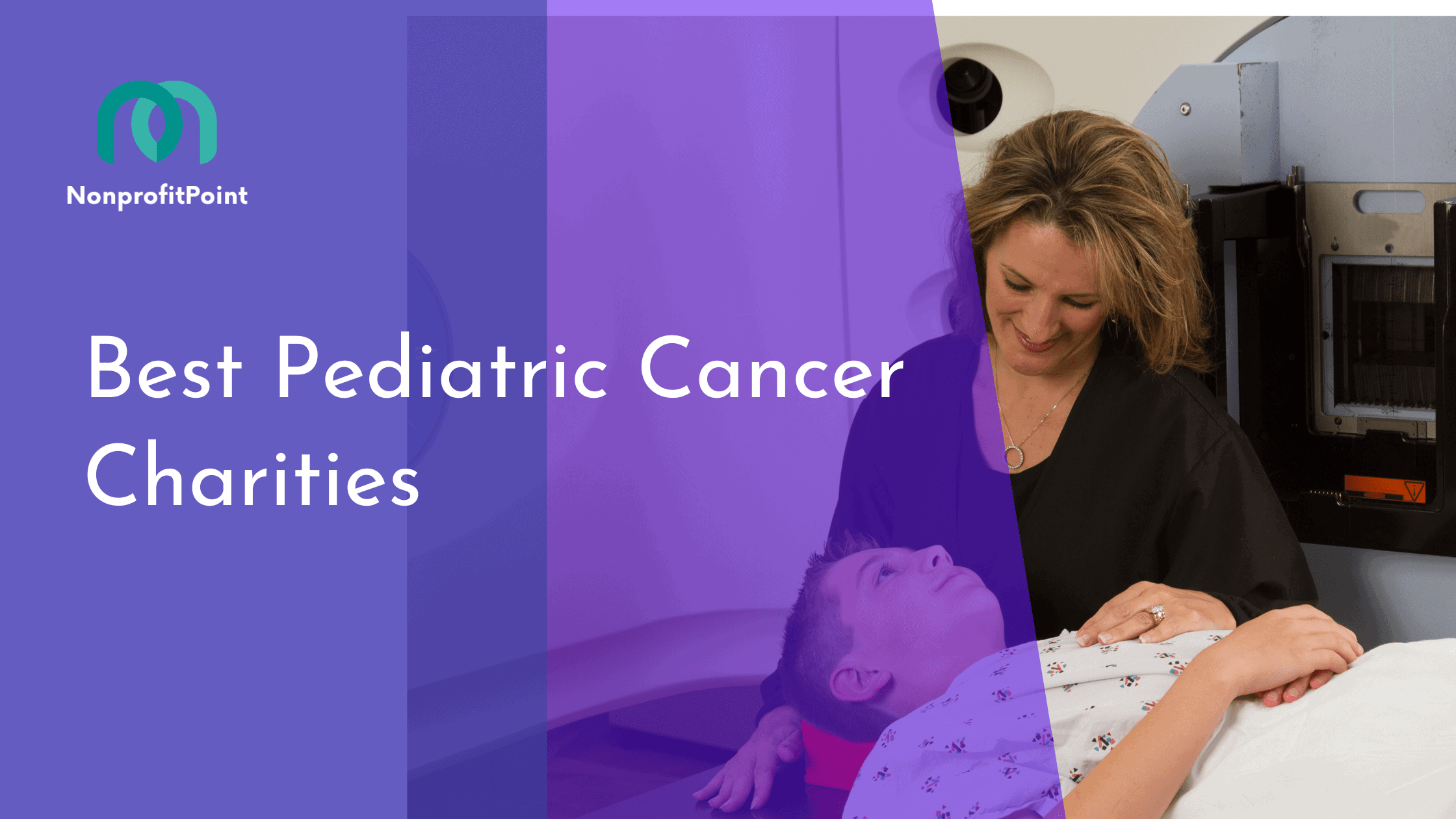
Pediatric cancer describes cancer that occurs between birth till the age of 14. About 175,000 children are diagnosed with various types of pediatric cancer every year. Although the decade’s worth of research and the motivation of charities to explore better treatment alternatives has led to 80% cancer survivors compared to a marginal amount in the past.
Technological advancement has been a game changer for the survival rates of kids. These nonprofit organizations are working to provide for the families during and after the treatment for regular check-ups. Since cancer is not known to be completely cured, these aftercare routines are crucial to eliminating the chance of its revival.
Here are the 9 Best Pediatric Cancer Charities to Donate to:
1. Alex’s Lemonade Stand
ALSF was founded in 2005 to provide emotional and financial support to childhood cancer families. Their awareness-raising programs and initiatives have funded more than 1,000 research in 150-plus institutions.
Since their establishment, they have managed to raise more than $250 million for their programs and breakthroughs in the field of pediatric cancer. With a network of strong and renowned partners like Applebee’s, Firebirds, Auntie Anne’s and the ACME Foundation, they are trying their best to raise more money for families worldwide. While they hold a Platinum seal of transparency from GuideStar, Charity Navigator scores them a perfect 4-star rating.
2. The National Children’s Cancer Society
NCCA has provided more than $70 million as direct financial aid to over 47,000 children fighting cancer. This foundation works closely with the oncology treatment centres throughout the United States to have a better reach among families and survivors.
Apart from grants they also help with travel assistance to reduce the financial burden of travel and lodging for families. This fund has a few criteria’s to meet before its approval. Additionally they take into consideration the after care for survivors to help them cope with the physical or cognitive effects of their treatment. They receive a Platinum seal of transparency on GuideStar and hold a 3 star rating on Charity Navigator.
3. Ronald McDonald House Charities
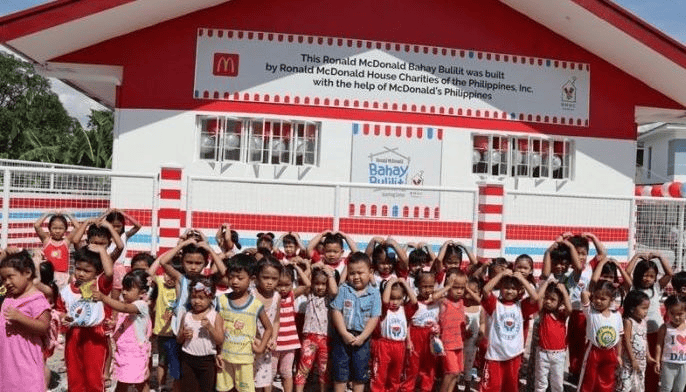
Their mission is to create and support foundational programs that directly impact and improve the health and wellbeing of children and their respective families. They envision a world without cancer with 380-plus programs. Since 1974 they have been providing their services in terms of mobile care apps and homestays.
By working alongside the local community workers that provide much more than just shelters for families travelling. The nutritional meals, educational programs, peer support, enriching family activities and medical care hold together a family during these times.
In 2021 they helped 1.5 million families with overnight stays, this was mainly done with the help of volunteers. Their target programs offer room stays near the hospital, rooms inside the hospital and bring medical care to children through their mobile applications. Charity Navigator rates them a perfect 4-star rating.
4. Family Reach
In 1996, Family Reach was established in New Jersey with the aim of innovating long-term solutions for cancer and collectively impacting larger communities. Their 4 main services are the financial guidebook, resource navigation, emergency relief and financial coaching.
Under the finance area they guide families on reducing costs and providing a list of vetted financially vetted resources to help with the treatments. Under resource navigation they help with guidance on benefits, social security lodging and transport. With their emergency relief they provide grants to applicants for covering the cost of everyday nonmedical expenses like groceries, utility bills and much more.
Till date they have helped more than 61,000 families and partnered up with 855 treatment centers to establish a national presence. They hold a Gold seal of transparency from GuideStar and a 4 star rating from Charity Navigator.
5. St. Jude Children’s Research Hospital
Founded in 1962 by Danny Thomas, his mission was simple, to give back to communities battling cancer and other childhood diseases. This charity provides direct treatment to children in hospitals and provides other resources and services to help the families free of charge.
A part of their funds are allocated for research into gaining a better understanding and for creating solutions to help the families better. Their holiday campaigns were a huge success since volunteers would donate season friendly gifts and items to those in need. This helps the families celebrate every little moment.
Their alliance has expanded to 127 institutions across 57 countries for major breakthroughs and developments. Charity Navigator rates them a 4-star.
6. Cure Childhood Cancer
CURE is a dedicated nonprofit organisation for funding cancer researches and supporting kids and families. Established in 1975 by Dr. Abdel Ragab, till date they have raised more than $38 million funds for research.
About 1,50,000 meals were served within the hospitals under their Open Arms Meals initiative, and $2.4 million funds were provided as grants to families in need. Their outreach programs help with the diagnosis and post navigation.
This help families connect with the experienced parents and form a community for emotional support. Their efficiency gave them a 4 star rating on Charity Navigator and a Gold seal of transparency on GuideStar.
7. The V Foundation
This charity was founded in 1993 by Jim Valvano who was fighting cancer himself. This organization is committed to following on his mission of research and cure for childhood cancer. They work by funding game based research through competitive scientists.
Later the grants are provided to the most promising research project on cancer. Dick Vitale Gala is an annual Gala hosted targeting pediatric cancer research. This Gala hosted in the month of May has attracted over $60 million for its target of achieving victory over cancer. A part of the funds they receive is used for conducting therapy treatments for young kids to help ease the process and health of these kids.
They have been awarded $290 million for research grants from more than 150 institution across 4o stats. Their accountability in using every dollar for research programs has gained them a 4 star rating on Charity Navigator.
8. National Pediatric Cancer Foundation
NPCF was founded in 1991 by Melissa Helms and Risa Tramel to find a cure for pediatric cancer. They focus on less toxic treatments and more effective solutions to battle cancer under their program called Sunshine Project.
Their collaborations with 30 hospitals and leading scientists have allowed them to donate over $30 million in research and fund 38 promising initiatives. The Sunshine project has its own laboratory where in new drug compounds are tested for producing medicines with less side effects to help children cope up easily alongside their ongoing treatment.
GuideStar awarded them with a Platinum seal of transparency while Charity Navigator rates them a clean 4 star.
9. Rally Foundation
RF was established in 2005 by Dean Crowe to fund cancer research programs. They fund these programs to discover new treatments with better cure impact and less side effects on kids. 28% of their funded projects made it to clinical trials, while 59% of them advanced to federal funding.
These achievements have awarded this charity with more than $25 million donations. They focus on investing in all stages of cancer to advocate an in depth study of its roots. furthermore they have an Emergency Fund to help families cope with the financial burden of treatment and hospitals bills.
They hold a 4 star rating from Charity Navigator and a Platinum seal of transparency from GuideStar.
10. American Childhood Cancer Organization (ACCO)
The American Childhood Cancer Organization is the oldest and largest grassroots organization dedicated to childhood cancer. Founded in 1970, ACCO provides free educational resources, comfort items, and emotional support to children with cancer and their families. They distribute educational books, coloring activities, and care packages to hospitals nationwide. ACCO also runs awareness campaigns and funds programs that directly touch families navigating childhood cancer treatment.
11. CureSearch for Children’s Cancer
CureSearch funds and supports innovative pediatric cancer research aimed at developing safer, more effective treatments and ultimately finding cures. They’ve invested over $100 million in childhood cancer research since their founding. CureSearch also provides a comprehensive online resource hub for families, including treatment guides, clinical trial information, and survivorship resources. Their research acceleration program fast-tracks promising treatments from the lab to clinical trials.
12. Making Headway Foundation
Making Headway Foundation specifically focuses on children with brain and spinal cord tumors — one of the most devastating forms of pediatric cancer. They provide financial assistance for treatment-related expenses, fund specialized medical equipment, and support cutting-edge research into pediatric brain tumors. The organization also provides comfort items and emotional support services to families during treatment, recognizing that pediatric brain cancer affects the entire family unit.
How to Choose the Right Pediatric Cancer Charity
With multiple pediatric cancer charities to choose from, selecting the right one for your donation can feel overwhelming. Here are the key factors to consider when making your decision:
Research vs. Direct Support: Some charities like St. Jude and CureSearch focus primarily on funding research to develop new treatments, while organizations like Ronald McDonald House and Family Reach provide direct support to families during treatment. Consider whether you want your donation to fund long-term research breakthroughs or provide immediate relief to families in crisis.
Charity Ratings and Transparency: Check independent rating organizations like Charity Navigator, GuideStar, and the Better Business Bureau Wise Giving Alliance. Look for charities that spend at least 75% of their budget on program activities rather than administrative costs or fundraising. All nine charities on our list maintain high ratings on these platforms.
Geographic Reach: Some charities operate nationally while others focus on specific regions. If you want your donation to impact families in your local community, look for regional pediatric cancer organizations or local chapters of national organizations.
Specific Cancer Types: Childhood cancer isn’t a single disease — it encompasses dozens of different cancer types including leukemia, lymphoma, brain tumors, neuroblastoma, and sarcomas. Some charities focus on specific cancer types (like Making Headway’s focus on brain tumors), while others address pediatric cancer broadly.
Understanding Pediatric Cancer: Key Facts
Understanding the scale and impact of childhood cancer helps contextualize why these charities are so important:
Prevalence: Approximately 15,780 children in the United States are diagnosed with cancer each year. Cancer remains the leading cause of death by disease in children past infancy, though survival rates have improved dramatically over the past 50 years.
Survival Rates: Thanks in large part to organizations like those on this list, the five-year survival rate for childhood cancer has risen from approximately 10% in the 1960s to over 85% today. However, survival rates vary significantly by cancer type, and many survivors face long-term health challenges from their treatment.
Research Funding Gap: Despite the devastating impact of pediatric cancer, only about 4% of federal cancer research funding goes toward childhood cancers. This funding gap makes private charitable donations especially critical for advancing pediatric cancer research and developing less toxic treatments for young patients.
Financial Impact on Families: A childhood cancer diagnosis costs families an average of $40,000 or more in out-of-pocket expenses during the first year of treatment alone. Many families face job loss, relocation costs, and ongoing medical expenses that can last for years. Charities like Family Reach and Ronald McDonald House help bridge this devastating financial gap.
Ways to Support Pediatric Cancer Charities Beyond Donations
Financial donations are incredibly valuable, but there are many other meaningful ways to support the fight against childhood cancer:
Volunteer Your Time: Many pediatric cancer charities need volunteers for hospital visits, fundraising events, administrative support, and meal preparation programs. Ronald McDonald House, for example, relies heavily on volunteers to prepare meals and maintain their houses for guest families.
Organize a Fundraiser: Host a bake sale, charity run, lemonade stand (inspired by Alex’s Lemonade Stand!), or online fundraising campaign. Many charities provide free fundraising toolkits and support to help you organize successful events in your community.
Donate Blood and Platelets: Children undergoing cancer treatment frequently need blood and platelet transfusions. Donating blood at your local blood bank directly helps pediatric cancer patients and others with serious medical conditions.
Raise Awareness: September is Childhood Cancer Awareness Month. Share information about pediatric cancer on social media, wear a gold ribbon (the color associated with childhood cancer awareness), and educate your community about the importance of supporting pediatric cancer research and family services.
Support Survivors: Childhood cancer survivors often face ongoing challenges including secondary cancers, organ damage from treatment, learning disabilities, and mental health struggles. Organizations that support survivorship programs need ongoing support to help these young people thrive long after their treatment ends.
Frequently Asked Questions
What is the best charity for childhood cancer?
St. Jude Children’s Research Hospital is widely considered one of the best pediatric cancer charities due to their policy of never billing families for treatment. However, the “best” charity depends on your priorities — if you value direct family support, Ronald McDonald House or Family Reach may be better choices. For research-focused giving, Alex’s Lemonade Stand and CureSearch are excellent options. All charities on our list maintain high ratings and make meaningful impacts.
How much of my donation goes to helping children with cancer?
This varies by organization, but the charities on our list generally direct 75-90% of their budgets toward program activities. St. Jude spends approximately 81% on research and treatment, Alex’s Lemonade Stand directs about 85% to program expenses, and Rally Foundation dedicates over 90% to research grants and awareness programs. Always check a charity’s annual report or Charity Navigator profile for the most current financial breakdowns.
Are donations to pediatric cancer charities tax-deductible?
Yes, all the organizations listed in this article are registered 501(c)(3) nonprofits, which means your donations are tax-deductible to the extent allowed by law. Keep your donation receipts and any acknowledgment letters from the charity for your tax records. For donations of $250 or more, you’ll need written acknowledgment from the organization.
Can I donate to help a specific child with cancer?
Some organizations facilitate direct support for individual patients. Websites like GoFundMe often feature campaigns for specific families dealing with childhood cancer. Organizations like Family Reach and the National Children’s Cancer Society provide grants directly to families for treatment-related expenses. If you know a specific family in need, you can also contribute directly or through their caring bridge page.
What percentage of children survive cancer?
The overall five-year survival rate for childhood cancer in the United States is approximately 85%, a dramatic improvement from just 10% in the 1960s. However, survival rates vary significantly by cancer type: acute lymphoblastic leukemia (ALL) has a survival rate above 90%, while certain brain tumors and metastatic cancers have much lower rates. Continued research funding is essential to improve outcomes for all pediatric cancer types.
Final Thoughts
Clinical trials have proven a positive impact with their advancements by highlighting the key to improving the survival conditions. The staff members introduce changes in the children’s routine early to enable a smooth transition. Once the communication between the kid and caretaker is established, their daily engagement can provide insightful data to avoid and further complications.
The advocates of the researches play an important role on representing a family’s perspective, sharing their loss and maintaining the quality of life apart from meeting the required goals and target of the treatment. One can either donate to these charities or send them the required items and care packages listed on their website for bring joy inside a hospital room.