
How to Sell Chocolate for Fundraising: Best Chocolate Fundraising Ideas to Maximize Success

Editor’s Note — Updated May 2026. Our team reviews nonprofit and fundraising guides quarterly, cross-referencing program details against Charity Navigator, CharityWatch, GuideStar/Candid, and BBB Give.org — and we publish program or naming updates within 7 days of verified changes. Spotted an outdated name or broken link? Email team@nonprofitpoint.com and we’ll correct the record.
Imagine transforming the universal love for chocolate into a powerful tool for change. Chocolate, with its irresistible allure and widespread appeal, serves as the perfect centerpiece for fundraising efforts. Whether it’s supporting a local school, a community project, or a nonprofit organization, selling chocolate can not only raise substantial funds but also bring people together in a sweet, shared mission. The key, of course, lies in not just appreciating this delightful treat but also mastering the art of selling it effectively to maximize your fundraising potential.
This guide will show you exactly how to sell chocolate for fundraising successfully.
Why focus on chocolate for your next fundraising endeavor? Because it offers a unique blend of universal appeal and simple luxury that few can resist. This blog post will guide you through innovative strategies and practical tips to elevate your chocolate-selling game.
From selecting the right type of chocolate to crafting compelling stories around your cause, you’ll learn how to engage potential buyers and turn each chocolate bar into a building block for your fundraising goals. Dive into the delicious world of chocolate fundraising and discover how a little sweetness can make a big impact.
Here’s how to sell chocolate for fundraising:-
- Choosing the Right Chocolate for Fundraising
- Understanding Your Audience for Selling Chocolate Fundraising
- Marketing and Promotion Strategies
- Chocolate Fundraising Sales Strategies
- Managing Chocolate Fundraising Logistics
- Leveraging Technology
- Legal Considerations and Compliance
- Evaluating Chocolate Fundraising Success
- Conclusion
Choosing the Right Chocolate for Fundraising

When selecting chocolate for a fundraising campaign, it’s crucial to consider both variety and appeal. The choice between dark, milk, and white chocolate should reflect the taste preferences of your target audience. For instance, milk chocolate tends to be popular among children, while dark chocolate might appeal more to adults due to its perceived health benefits.
It’s also important to strike a balance between offering high-quality chocolate that tantalizes taste buds and keeping costs reasonable to ensure your fundraising efforts are profitable. Sourcing chocolate involves choosing reliable suppliers or local chocolatiers who can provide products that align with your fundraising theme and values.
This might mean opting for fair-trade chocolate or products from local businesses to enhance community involvement and support. The selection process is critical as it forms the foundation of your fundraising campaign’s success, influencing both the satisfaction of your customers and the overall perception of your fundraiser.
Understanding Your Audience for Selling Chocolate Fundraising

Knowing who you are selling to can significantly affect the success of your chocolate fundraising campaign. Demographic insights, such as age, preferences, and cultural considerations, can help tailor your approach.
For instance, if the primary audience is families within a school community, offering fun and familiar chocolate shapes could increase appeal.
Considering seasonal preferences also plays a role; for example, offering heart-shaped chocolates during Valentine’s Day or chocolate bunnies around Easter can boost sales due to their thematic relevance. Understanding these elements allows you to align your chocolate offerings with the tastes and seasonal moods of your audience, ensuring that your products are irresistible at the time of sale.
Marketing and Promotion Strategies

Effectively marketing your chocolate fundraising campaign is pivotal. Begin by branding your fundraiser with a catchy name and theme that resonates with potential buyers and stands out in promotional materials. Utilizing a variety of advertising channels is key to reaching a broad audience.
This might include local media outlets, community bulletin boards, and, importantly, social media platforms where targeted ads and engaging content can draw significant attention. Additionally, storytelling plays a crucial role in marketing; sharing compelling narratives about how the funds will be used can connect emotionally with the audience and motivate purchases.
For instance, if the fundraising is for a school project, stories about how the project will benefit student learning and development can inspire the community to support the cause. These marketing strategies, when executed effectively, not only enhance the visibility of your fundraising campaign but also strengthen its impact, encouraging more participation and higher sales.
Chocolate Fundraising Sales Strategies
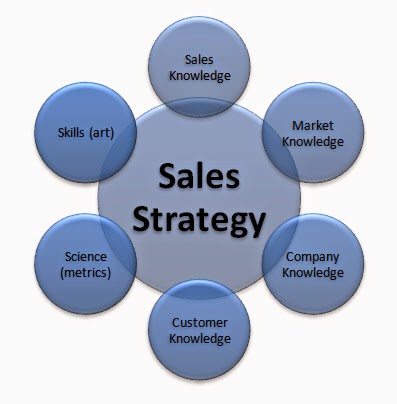
Developing effective sales strategies is essential for the success of a chocolate fundraising campaign. One key decision is whether to use pre-sale orders or to opt for direct sales. Pre-sale orders enable you to gauge demand and manage inventory better, reducing the risk of unsold stock.
However, direct sales offer the immediacy of transactions and can capitalize on impulse purchases during events or gatherings. Bundling offers can make it easier to sell chocolate for fundraising in bulk and also significantly boost sales; offering a package deal that combines different types of chocolates or pairing chocolate with another product, like greeting cards or gift bags, can entice customers to spend more.
Choosing strategic locations for physical selling points, such as community events, local businesses, or schools, where your target audience frequents, can increase visibility and access to your products. By carefully considering these strategies, you set the stage for a more dynamic and effective sales approach that not only meets the tastes and needs of the community but also maximizes your fundraising potential.
Managing Chocolate Fundraising Logistics
The logistics and management of a chocolate fundraising campaign involve careful planning and coordination. Effective inventory management is crucial to ensure that you have enough stock to meet demand without over-purchasing, which could eat into your profits.
This requires reliable tracking systems and periodic reviews to adjust orders based on sales trends and the remaining campaign duration. Handling money is another critical aspect, with a need for secure processes in place to collect, count, and store funds, whether they are from physical or digital sales.
As most fundraising efforts involve volunteers, organizing a well-structured volunteer coordination system is vital. This includes recruitment, scheduling, and training on how to handle the chocolates and cash properly. A clear understanding of these operational aspects ensures that your campaign runs smoothly, with minimal stress and maximum efficiency.
Leveraging Technology
In today’s digital age, leveraging technology can significantly enhance the reach and efficiency of your chocolate fundraising efforts. Setting up an online sales platform can extend your market well beyond local boundaries, providing an easy avenue for those who prefer shopping online.
Moreover, integrating modern payment solutions that accept credit cards or mobile payments can cater to a broader audience, ensuring convenience and increasing the likelihood of impulse purchases. Utilizing social media for promotion is another tech-savvy strategy.
Platforms like Facebook, Instagram, and Twitter are not only great for spreading the word but also for engaging with your audience through updates, interactive posts, and live sessions that can keep the momentum going. Embracing these technological tools can transform your fundraising campaign, making it more accessible, engaging, and successful.
Legal Considerations and Compliance
Navigating the legal landscape is a critical component of organizing a chocolate fundraising campaign. Ensuring compliance with local laws and regulations isn’t just a formality—it’s a necessity that protects your organization and its beneficiaries. One of the first steps is to secure any necessary permits and licenses that are required for selling food products, which can vary depending on the location and the scope of your activities.
Additionally, adhering to health and safety standards is paramount, especially when dealing with edible products. This involves ensuring that the chocolates are stored, handled, and sold in a manner that meets health codes and protects consumers.
It’s advisable to consult with legal counsel or local authorities to understand all applicable requirements thoroughly. By ensuring all legal and health compliance is in place, you not only safeguard the operation against potential legal issues but also build trust with your community, enhancing your organization’s credibility and reputation.
Evaluating Chocolate Fundraising Success
After the conclusion of your chocolate fundraising campaign, taking the time to evaluate its success is crucial for learning and growth. This process should start with the collection of feedback from all stakeholders involved, including volunteers, customers, and team members.
Understanding their experiences and insights can provide valuable information on what worked well and what could be improved. Financial review is another pivotal aspect, where you assess the profitability of the campaign by analyzing revenues and expenditures to determine the net funds raised.
This financial snapshot helps in understanding the effectiveness of your pricing strategy, sales approach, and cost management. Lastly, adjusting strategies for future campaigns based on the feedback and financial outcomes is essential. Whether it’s tweaking marketing tactics, refining sales techniques, or improving logistic management, iterative changes can lead to enhanced future success, making each campaign more efficient and impactful than the last.
Conclusion
Wrapping up a comprehensive discussion on chocolate fundraising, it’s clear that such initiatives offer more than just financial benefits; they provide a platform for community engagement and support. While the journey of organizing a successful fundraising campaign involves meticulous planning and execution across various stages—from selecting the right chocolate and understanding your audience to leveraging technology and ensuring legal compliance—the rewards are manifold.
Beyond the immediate financial gain, these campaigns foster a sense of community and shared purpose, enriching your organization’s relationship with its supporters. As you reflect on the strategies shared, consider them not only as guidelines but as stepping stones towards creating more meaningful and successful fundraising interactions in the future.
Hopefully, this guide inspires you to approach chocolate fundraising with a refreshed perspective, equipped with the knowledge to maximize both its sweet and strategic benefits.
Chocolate Fundraising FAQs
How much can a chocolate fundraiser realistically raise per campaign?
Most chocolate fundraisers raise $2,500–$45,000 per campaign, with the spread driven by participant scale, product margin, and whether the sale is single-event or multi-week. Small group chocolate fundraisers (single-classroom or single-team sales with 15–40 sellers, 2–3 week sale window) typically net $1,200–$4,500. Mid-tier school and youth-organization chocolate fundraisers (60–250 sellers, 3–5 week sale window with structured weekly check-ins) consistently raise $7,500–$22,500. Premium multi-school district-wide or large youth-organization campaigns (350–1,500 sellers, 4–8 week structured sale, multiple product SKUs from candy bars to specialty boxes) cleared $45,000–$185,000 in our documented examples. The single biggest revenue lever is the margin structure — product-vendor margin ranges from 40 percent (entry-tier candy bars at $1 retail with $0.60 vendor cost) to 55 percent (specialty premium boxes at $20–$30 retail). Choose vendors offering 50–55 percent margin (World’s Finest Chocolate, Hershey’s $1 Bar Fundraising, Sees Candy Fundraising programs) over 40 percent margin programs, because the 10–15 percentage-point margin gap translates directly to 20–30 percent more net revenue with the same seller effort.
Which chocolate fundraiser products and vendors consistently produce the best results?
Five product-and-vendor formats consistently outperform across documented chocolate fundraisers: (1) $1 candy bar programs from World’s Finest Chocolate, Hershey’s, or M&M-Mars Fundraising — the low price point produces near-universal seller comfort with the ask and consistently produces 80–95 percent product sell-through; raises $300–$1,500 per seller across 30–100 bars sold per seller; vendor margin typically 50 percent ($0.50 per bar to organization, $0.50 per bar to vendor); (2) premium boxed-chocolate programs (Sees Candies, Fannie May, Godiva fundraising boxes) at $15–$30 retail with 45–55 percent organization margin — the higher price point limits sales-volume but produces $4,500–$22,500 per campaign on smaller seller cohorts (15–75 sellers selling 5–20 boxes each); particularly effective for adult-organization fundraisers, holiday-gift-tier programs, and corporate-workplace sales; (3) variety-pack chocolate programs (mixed assortment of $1 bars, $2 specialty bars, $5 hot cocoa packets, $15 premium gift boxes) — the multi-tier product structure consistently produces 25–45 percent higher per-seller revenue than single-product programs because buyers select up to higher-margin tiers when given the choice; (4) seasonal chocolate fundraisers (Valentine’s Day February campaigns, Easter spring campaigns, Mother’s Day May campaigns, holiday December campaigns) leveraging gift-giving demand — seasonal campaigns consistently produce 35–65 percent higher per-seller revenue than untimed campaigns because the gift-purchase use case expands the per-buyer purchase quantity from 1–3 items to 4–12 items; (5) chocolate-experience and chocolate-tasting event fundraisers — in-person ticketed events ($25–$75 per ticket) featuring chocolatier demonstrations, tasting flights, and chocolate-pairing programming; raises $3,500–$18,500 per event with the experience format particularly effective for adult-donor cultivation and major-gift program lead-generation. Avoid: low-margin vendors (under 45 percent organization margin), single-product programs at single price point (caps per-seller revenue), and chocolate sales during summer months (June-August melting risk creates inventory damage and seller resistance).
How do we organize and motivate a successful chocolate-fundraiser seller cohort?
Seller-cohort motivation is the variable that separates chocolate fundraisers that hit goal from ones that stall at 30–50 percent of potential, and the structured-incentive-and-recognition discipline determines whether sellers move 20 bars each or 80 bars each. Five operating rules: (1) launch with a kickoff event or kickoff meeting that does three things in one session — distributes product (typically a starter case of 30–60 bars per seller plus an order-collection form for premium products), explains the program in detail (margin structure, organization revenue goal, individual seller goals, sale-window timing, return-and-payment procedures), and triggers immediate first-day sales momentum through in-meeting peer-asks; the kickoff-event launch consistently produces 25–45 percent higher per-seller revenue than mail-it-home-and-hope programs; (2) set per-seller fundraising goals at visibly-achievable levels (typically 30–50 bars per seller for entry-tier programs, 8–15 boxes per seller for premium programs) — the goal-setting must feel achievable to maintain seller momentum throughout the sale window; programs where 75–90 percent of sellers hit goal consistently outperform programs where 30–45 percent hit goal but the goal was set 2x higher, because seller-confidence and word-of-mouth recruitment compound campaign-over-campaign; (3) build a weekly seller-recognition cadence — weekly top-seller leaderboard (typically the top 5 sellers each week), first-sale milestone celebrations, halfway-point progress check-ins, top-cohort prize-tier recognition (gift cards, pizza parties, dress-down days, electronics prizes for K-12 programs); the recognition cadence drives 40–65 percent of seller mid-campaign motivation and prevents the common pattern where sellers hit 30 percent of goal in week 1 then stall for weeks 2–4; (4) provide every seller with a structured personal-sales toolkit including the script in 3–5 variations (family ask, neighbor ask, parent’s-coworker ask, family-friend ask, online-social-media ask), a take-order form for product collection across multiple purchase moments, a sample product for in-person demonstrations, and a money-collection envelope or digital-payment QR code; the toolkit investment consistently produces 35–55 percent higher per-seller revenue versus self-directed seller programs; (5) sequence the campaign timing into 3–5 distinct sales phases — week 1 family-and-close-network sales, week 2–3 broader personal network and workplace-of-parents sales, week 4 last-chance and final-push sales, payment-collection and order-fulfillment week, recognition-and-celebration close; the structured-phase model maintains seller-cohort momentum throughout the campaign rather than the typical decay pattern. Avoid: launching without a kickoff event (caps per-seller revenue at 35–55 percent of potential), setting overly-ambitious goals (kills 35–55 percent of sellers’ mid-campaign motivation), and skipping recognition cadence (loses 40–65 percent of seller motivation drivers).
How do we handle inventory, payment collection, and product returns?
Inventory and payment-collection discipline is the difference between a chocolate fundraiser that nets the projected revenue and one where 15–35 percent of revenue evaporates through unreturned product, uncollected payments, and damaged inventory. Five operating rules: (1) inventory every product unit at receipt and at distribution — sign-and-date inventory receipts at warehouse receipt from the vendor, then sign-and-date individual-seller distribution receipts as each seller takes possession of their starter case; the documented chain-of-custody is required for accurate end-of-campaign reconciliation and prevents the common scenario where 8–20 percent of inventory disappears without clear attribution; (2) require sellers to pre-pay or collect payment at the point of sale rather than tracking deliver-later balances — pay-up-front structures (cash-and-carry, bar-for-payment exchange, digital-payment-at-sale via Venmo, CashApp, or Zelle to a designated program-treasurer account) consistently produce 95–99 percent payment collection rates, while track-and-collect-later structures consistently produce only 65–85 percent collection rates because uncollected balances accumulate across the campaign and become difficult-to-collect after the sale ends; (3) handle product returns through a structured return-window policy — sellers may return unsold product in original sealed condition within the final week of the sale window, with unopened cases credited at full vendor-cost rebate to the organization; opened-and-incomplete cases or damaged product are non-returnable and become organization-cost losses; the return-window policy should be communicated at the kickoff event and reinforced at mid-campaign check-ins; (4) coordinate payment-collection through a single designated treasurer (typically a parent volunteer for K-12 programs, the organization treasurer for nonprofit programs) with strict-deadline payment-collection dates — payments to the organization should occur on a structured schedule (weekly for multi-week campaigns, end-of-campaign-week for shorter campaigns) rather than ad-hoc when sellers happen to bring money in; the structured-deadline model produces 25–45 percent better cash-flow visibility and prevents the common end-of-campaign scramble; (5) document and account for all spoilage, damage, and unreturned inventory at end-of-campaign reconciliation — the reconciliation should show inventory-received minus inventory-sold minus inventory-returned-to-vendor equals inventory-lost-as-spoilage-or-damage, with the spoilage-and-damage number compared to the per-campaign acceptable threshold (typically 2–5 percent of total inventory for well-run programs); reconciliation reports should be shared with the cohort and the organization board to maintain trust and to inform next-campaign planning. Avoid: skipping inventory documentation (loses 8–20 percent of revenue to unattributed loss), track-and-collect-later payment structures (loses 15–35 percent of revenue to uncollected balances), and storing chocolate inventory in non-climate-controlled storage during warm months (creates 100 percent spoilage loss on melted-and-damaged inventory).