How to Find Financial Help from Charities: A Comprehensive Guide 2026

Reviewed and updated 29 September 2026. Every organisation named below was re-checked against its own website on that date. Two things had changed since this guide was first written, and both are corrected in place: the PAN Foundation now routes patient applications through a different portal and phone number, and the two UK organisations that used to sit in the middle of this guide have been moved into their own clearly-labelled section so US readers do not waste a call on them.
In moments of financial hardship, navigating the path to stability can feel overwhelming. Job loss, unexpected medical expenses, rising rent, or family emergencies can quickly lead to a financial crisis. Fortunately, many charitable organizations are dedicated to offering financial assistance and essential services to individuals and families facing economic stress.
This guide provides in-depth insights into how to access financial help from charities, which types of assistance are available, how to apply, and which resources you can trust. Whether you’re looking for emergency relief or long-term support, this article is designed to help you understand your options and take confident, informed action.
Understanding What Charities Can Help With
Charities exist to serve people in need across a wide range of circumstances. Their services often extend beyond cash assistance, covering many critical aspects of daily living.

1. Emergency Financial Assistance
Emergency financial aid refers to immediate, short-term assistance designed to help individuals meet urgent needs. This may include:
- Rent or mortgage payments to prevent eviction or foreclosure
- Utility bill payments, including electricity, gas, water, and internet
- Medical bills and urgent healthcare needs
- Transportation support for getting to work, school, or medical appointments
This type of aid is usually time-sensitive and provided in crisis situations.
2. Food and Daily Necessities
Food insecurity is a growing concern for many households. Charities operate food pantries, soup kitchens, and distribution programs that offer:
- Free groceries
- Cooked meals
- Personal hygiene products
- Clothing and diapers
- School supplies and essential items for children
These resources help families meet basic survival needs when income is insufficient.
3. Housing Support
Housing insecurity, including homelessness or the threat of eviction, is another area where charities provide vital support. Housing-related services may include:
- Emergency shelter
- Transitional housing
- Rent assistance programs
- Security deposit support
- Help relocating or avoiding foreclosure

4. Medical and Prescription Assistance
Some charities are specifically designed to assist those with urgent medical needs, especially individuals who are uninsured or underinsured. Services may include:
- Funding for prescription medications
- Assistance with medical treatments and procedures
- Transportation for medical appointments
- Connections to free clinics and nonprofit hospitals

5. Debt Counseling and Financial Management
Beyond immediate aid, many nonprofits provide long-term financial counseling. These services can be extremely beneficial for individuals looking to regain financial stability:
- Budget planning and coaching
- Debt management programs
- Credit counseling and repair
- Legal guidance for bankruptcy or collections

Step-by-Step Guide to Getting Financial Help from Charities
Step 1: Assess Your Situation and Identify Your Needs
Before seeking help, take time to clearly identify your most pressing financial concerns. Are you struggling with housing costs? Is your electricity about to be shut off? Are you unable to pay for food, medications, or transportation?
Write down the following:
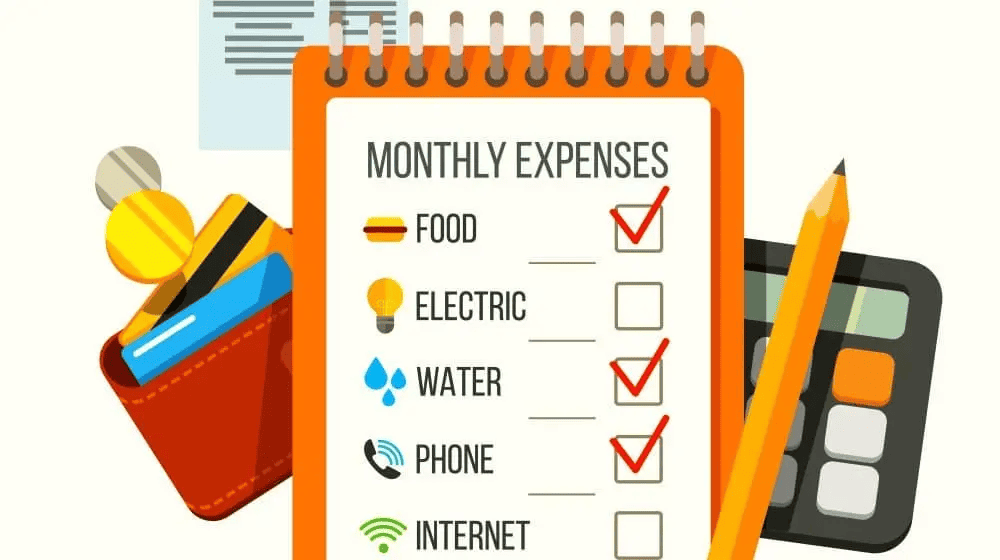
- Your total monthly income
- Your essential expenses (rent, utilities, food, transport, medical, childcare)
- Any overdue bills or collections
- Immediate needs that must be addressed within 7–14 days
Having this information prepared will help you explain your situation effectively to caseworkers and complete applications with accuracy.
Step 2: Research and Identify Trustworthy Charitable Organizations
Both national and local charities offer various types of financial assistance. Below are some of the most reputable and widely available organizations:
The Salvation Army
The Salvation Army provides emergency financial assistance for rent, utilities, clothing, and food. Many locations also offer shelter services, rehabilitation programs, and disaster relief.
Website: salvationarmyusa.org
Catholic Charities
Catholic Charities operates across multiple dioceses and provides a broad range of services, including rental assistance, utility payments, food programs, and help for immigrants and refugees. Services are offered regardless of religious affiliation.
Website: catholiccharitiesusa.org
United Way and the 211 Network
United Way’s 211 service is a free and confidential helpline that connects individuals to local support services, including food, housing, and health assistance. You can call 2-1-1 or visit their website to find local resources.
Website: 211.org
Modest Needs
Modest Needs describes itself as “a tax-exempt charity where you can make small, emergency grants to low-income workers who’re at risk of slipping into poverty.” It is aimed at the households that earn slightly too much to qualify for conventional aid and are one unexpected bill away from a spiral — the group almost every other programme on this page screens out. Grant sizes and current review timelines are not published on the pages we could reach, so ask before you build a plan around it.
Website: modestneeds.org
Set your expectations before you start calling
Three things are true of almost every charity on this page and almost none of them say so on the front of their website. First, most pay the creditor, not you. A rent grant goes to the landlord and a utility grant goes to the utility, which means you need the account number and the notice before you apply, not after. Second, most are once-per-year. Emergency assistance is usually capped at a single use in a 12- or 24-month period, so the bill you spend it on should be the one with no other route. Third, local beats national. The recognisable national names in this guide operate through local affiliates with their own budgets, waiting lists and cut-off dates, so “the Salvation Army helps with rent” is only true where the local corps still has money in the fund this month. Always ask the local branch what is left, not the national office what exists.
Step 3: Use Online Resources and Government Portals
In addition to nonprofit organizations, there are online platforms and government websites that can help identify the support you may be eligible for.
Benefits.gov (United States)
This platform offers a comprehensive benefits questionnaire that helps users find relevant federal assistance programs, including food assistance, unemployment support, and housing aid.
Website: benefits.gov
Grants.gov (United States)
A central database for federal grant opportunities, primarily for nonprofit projects and educational assistance, but occasionally includes support for individuals under special circumstances.
Website: grants.gov
Turn2us Benefits Calculator and Grant Search (UK)
This tool allows users to determine what benefits and grants they are eligible for based on personal financial and housing situations.
Website: benefits-calculator.turn2us.org.uk
Step 4: Contact Local Community Action Agencies
Community Action Agencies (CAAs) operate at the city and county level and are often funded by federal programs to assist low-income individuals. Services provided may include:
- Emergency rental and utility assistance
- Job training and employment services
- Childcare and early education support
- Transportation aid
- Weatherization and home energy efficiency upgrades

You can locate your nearest CAA by searching your city or county name followed by “Community Action Agency.”
Step 5: Apply for Assistance and Submit Documentation
Once you identify which organizations to contact, you will typically need to fill out an application. Here are some tips to ensure success:
Prepare the Right Documents:
- Government-issued identification
- Proof of income (pay stubs, benefit letters, etc.)
- Copies of lease or mortgage agreements
- Utility bills and shut-off notices
- Medical documentation, if relevant
Fill Out Applications Completely:
- Answer all questions honestly
- Attach all required documents
- Include a written explanation of your situation when space allows
Follow Up:
Charities often receive many requests. Following up with a polite phone call or email can ensure your application is being processed and shows your commitment.
Charities Offering Specialized Financial Support
Certain organizations cater to specific groups or financial challenges. Here are a few worth exploring:
Dollar For
Helps eligible patients eliminate medical bills by connecting them to hospital charity care — the programmes nonprofit hospitals are legally required to run and frequently do not advertise. In Dollar For’s own words: “We educate people about charity care, even if hospitals don’t. We help patients apply for charity care through our easy-to-use patient-support program. We hold hospitals accountable to the law — and to patients.”
The eligibility bar is far higher than most people assume. Dollar For states that “on average, a family of 4 earning less than $100,000 a year will qualify,” and the service is free. If you have an unpaid hospital bill and you have not checked charity care, check it before you agree to any payment plan — a plan you can afford is still a bill you might not have owed.
Website: dollarfor.org
PAN Foundation
Provides financial assistance to underinsured individuals for high-cost prescription medications and healthcare expenses. The foundation states that “since 2004, our financial assistance programs have helped more than 1.3 million people to start or stay on life-changing treatment.”
Corrected 29 September 2026: the application route has moved. PAN’s own patient page now directs applicants to TotalAssist.org and gives 866-512-3861 as the contact number, effective 1 July 2025. If a guide anywhere still gives you an older PAN application portal or helpline, it is out of date. PAN operates disease-specific funds that open and close with available money, so check whether a fund covering your condition is currently open before you assemble paperwork.
Website: panfoundation.org — applications via totalassist.org
Operation Homefront
Supports military families with rent, utility payments, critical baby supplies, and temporary housing programs.
Website: operationhomefront.org
Semper Fi & America’s Fund
Provides direct financial aid to wounded, critically ill, or injured veterans of the U.S. Armed Forces and their families.
Website: thefund.org
Tips for a Strong Application and Ongoing Support
- Be Honest and Clear: Providing accurate details ensures you receive the correct type of support.
- Don’t Miss Deadlines: Keep a calendar of deadlines to submit forms or follow up.
- Ask for Help: If you find applications confusing, contact a caseworker or social worker. Many libraries and community centers also offer assistance.
- Stay Informed: Continue to check local government and nonprofit websites for new programs or seasonal funds, especially during winter or holidays.
Moving Toward Stability
While securing financial help from charities can be a lifeline during a crisis, consider the following steps for long-term financial health:
- Join free budgeting and financial literacy programs
- Speak to a debt counselor to create a repayment plan
- Explore government workforce programs or nonprofit job placement services
- If eligible, apply for low-income housing, SNAP, Medicaid, or childcare subsidies
These steps can help prevent recurring financial crises and empower you to regain control over your finances.
If you are in the UK rather than the US
Most of this guide is written for readers in the United States, and the programmes above will not help you if you are in Britain. Two UK organisations are worth knowing instead. They were previously listed alongside the American charities above, which was misleading, so they now sit here.
StepChange Debt Charity (UK)
StepChange offers debt advice, budgeting tools, and emergency financial guidance for individuals across the UK.
Website: stepchange.org
Turn2us (UK)
This organization helps UK residents find welfare benefits and charitable grants. Their benefits calculator and grant search tool are especially helpful.
Website: turn2us.org.uk
Frequently asked questions
Do charities give money directly to individuals?
Sometimes, but it is the exception rather than the rule. Most emergency assistance is paid to the creditor rather than to you — a rent grant goes to the landlord, a utility grant to the utility company, a medical grant to the provider. That is why you should have the account number, the bill and any disconnection or eviction notice in hand before you apply. Organisations that do issue funds to the individual, such as some hardship funds for workers, usually require proof that the money resolves the crisis rather than delays it.
How often can I get emergency financial assistance?
Usually once in a 12-month period, and in some places once in 24 months. That limit typically applies across categories rather than per category, so a single emergency payment may have to cover either the rent or the utility bill, not both. Plan which bill has no other route before you spend it: heating bills often have a separate seasonal programme, and medical bills may be erasable through hospital charity care, which leaves the one-off emergency payment free for whatever has no alternative.
Which charity should I contact first?
Call 2-1-1 first, because it is the fastest way to find out which local programmes still have money this month, and then call the specific local branch rather than the national office. The recognisable national names — the Salvation Army, Catholic Charities, St. Vincent de Paul — operate through local affiliates with their own budgets and their own cut-off dates. A programme that exists nationally can be out of funds in your county, and only the local office knows.
Can I get help with a hospital bill I have already been billed for?
Very often, yes, and this is the single most under-used route in the guide. Nonprofit hospitals are legally required to run charity care programmes that reduce or eliminate bills for qualifying patients, and they are not required to advertise them well. Dollar For helps patients apply for free and states that on average a family of four earning less than $100,000 a year will qualify. Check charity care before you accept a payment plan or let a bill go to collections.
What documents will I need?
Assemble these once and you can apply to several programmes in an afternoon: government-issued photo identification, proof of income such as pay stubs or benefit award letters, a copy of your lease or mortgage statement, the specific bill or notice you are asking for help with including the account number, and medical documentation where the request is medical. A short written explanation of what happened and what the money will fix is worth including wherever there is space for it.
Are there charities for people who work but still cannot cover a bill?
Yes, and this group is badly served by the main programmes because income tests screen them out. Modest Needs is built specifically for low-income workers at risk of slipping into poverty who earn slightly too much to qualify for conventional aid. Employer hardship funds, union assistance funds and professional-association relief funds are the other place to look, and they are almost never listed in public directories — ask your HR department or union representative directly.
Is there help specifically for military families and veterans?
There is. Operation Homefront supports military families with rent, utility payments, critical baby supplies and temporary housing programmes. Semper Fi & America’s Fund provides direct financial aid to wounded, critically ill or injured veterans of the US Armed Forces and their families. Several states also run their own veteran assistance structures at county level that are invisible in national directories, so ask your county veterans service officer as well.
Related help
Guides that cover one bill in depth
- Charities that help with rent — every major rent-assistance source, with what each actually pays
- Charities that help with utility bills — direct-pay programmes and how to trigger them
- Help with heating bills — LIHEAP and crisis grants, which are separate from general emergency aid
- Charities that help with medical bills — including hospital charity care
- Charities that help with car repairs — when the car is what is costing you the job
- Charities that help with food — pantries, SNAP and emergency food
- Get Help Paying For… — the full directory of assistance guides
Final Thoughts
Facing financial hardship can be emotionally and mentally exhausting—but you do not have to go through it alone. Charitable organizations exist to help people rebuild, recover, and regain a sense of security. Whether you need emergency financial assistance, utility support, medical help, or food access, there are trusted resources available to help guide you toward a better future.
Take the first step today: assess your needs, reach out to a local agency, and begin your path toward stability with confidence.
How this guide is maintained. Every organisation named here was re-checked against its own website on 29 September 2026. Where an application route had moved — the PAN Foundation’s, to TotalAssist.org and 866-512-3861 effective 1 July 2025 — the change is stated in place rather than quietly overwritten. Where a figure is not published by the organisation, including Modest Needs grant sizes, this guide says so instead of estimating one. The two UK organisations have been moved out of the US programme list into their own section. Reviewed by Alex Shabani for Nonprofit Point.