Thanksgiving Pie Fundraiser: Step-by-Step Guide to Raise More Than You Spend

Editor’s Note — Updated May 2026. Our team reviews nonprofit and fundraising guides quarterly, cross-referencing program details against Charity Navigator, CharityWatch, GuideStar/Candid, and BBB Give.org — and we publish program or naming updates within 7 days of verified changes. Spotted an outdated name or broken link? Email team@nonprofitpoint.com and we’ll correct the record.
Thanksgiving is the season of giving—and what better way to give back than with a Thanksgiving pie fundraiser? Everyone loves pie, and with a little planning, your next pie fundraiser can raise more money than it costs to run. In this guide, you’ll learn how to plan, promote, and profit from a successful Thanksgiving pie sale to support your cause. Whether you’re fundraising for a school, nonprofit, or community group, this step-by-step strategy ensures you’ll serve up sweet results!
However, with the right strategy and some planning, you can host a successful Thanksgiving pie fundraiser and raise more money than you spend on ingredients. To put on any successful fundraiser, you need people interested in helping you achieve your goals.
These people are called “your target audience” or “potential donors.” They are the people who would like to support your cause but may not know about your fundraiser yet. Once you know who you want to help you fund-raise, you can think about how to reach them with information about your upcoming event.
Here’s how you can run a thanksgiving pie fundraiser:
- Plan Your Thanksgiving Pie Fundraiser Goals and Recipes
- Collect Pre-Orders for Your Thanksgiving Pie Fundraiser
- Make Announcements to Boost Your Thanksgiving Pie Fundraiser
- Sell your pies at an affordable price
- Use social media to promote the event
- Tips for a Successful Thanksgiving Pie Fundraiser
- Final Thoughts
Plan Your Thanksgiving Pie Fundraiser Goals and Recipes
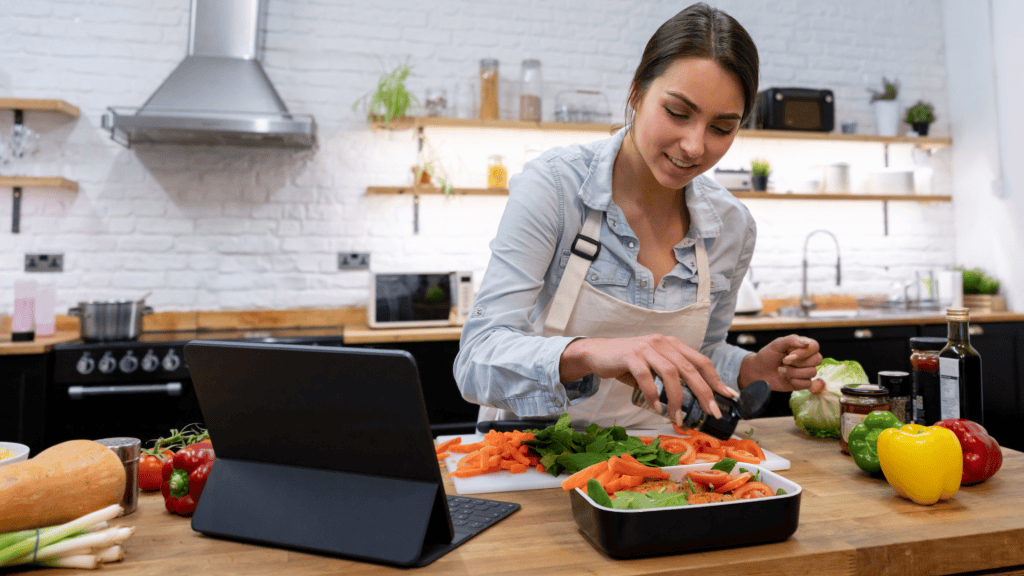
Depending on how many pies you want to sell, you’ll need a certain amount of ingredients. For example, if each pie sells for $10 and you sell 100 pies, you will have $1,000 to work with.
You can decide what percentage of each sale will go to your cause. Some people donate 100% of their sales, while others keep some profit for themselves. You will have to decide on a fundraising goal and have the ingredients available to make the number of pies you need.
Remember that the more pies you make, the more money you’ll raise. However, this also means you’ll need to find more people to help make the pies enough for everyone to eat at the event.
Collect Pre-Orders for Your Thanksgiving Pie Fundraiser
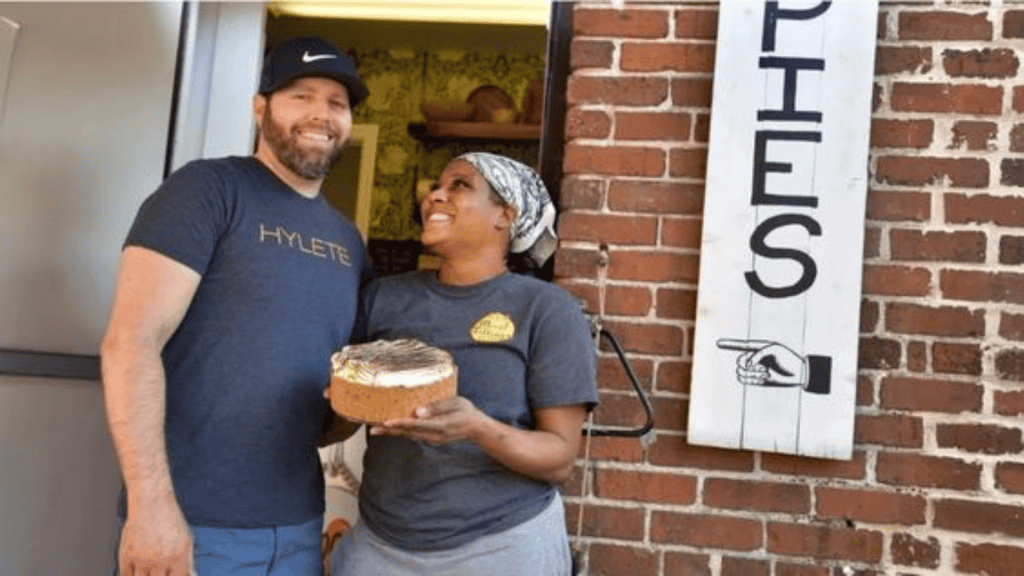
If you’ve decided to ask people to order their pies ahead of time, the best way to get people to do so is to ask them directly. You can send out a pre-order form or put a pre-order option on your donation form where people are already purchasing their pies.
You can also ask friends and family members to ensure they order their pies as soon as possible. You’ll want to get as many pies ordered as early as possible so that you can make enough to sell at the event and have extras to donate to your local food bank.
Make Announcements to Boost Your Thanksgiving Pie Fundraiser
If you’re hosting your event at dinner, make sure that you mention this during announcements. This way, people will know they should bring their pie orders with them and be prepared to buy a pie at the event.
You can also ask people to bring money to buy pies from those not attending the event.
Sell your pies at an affordable price
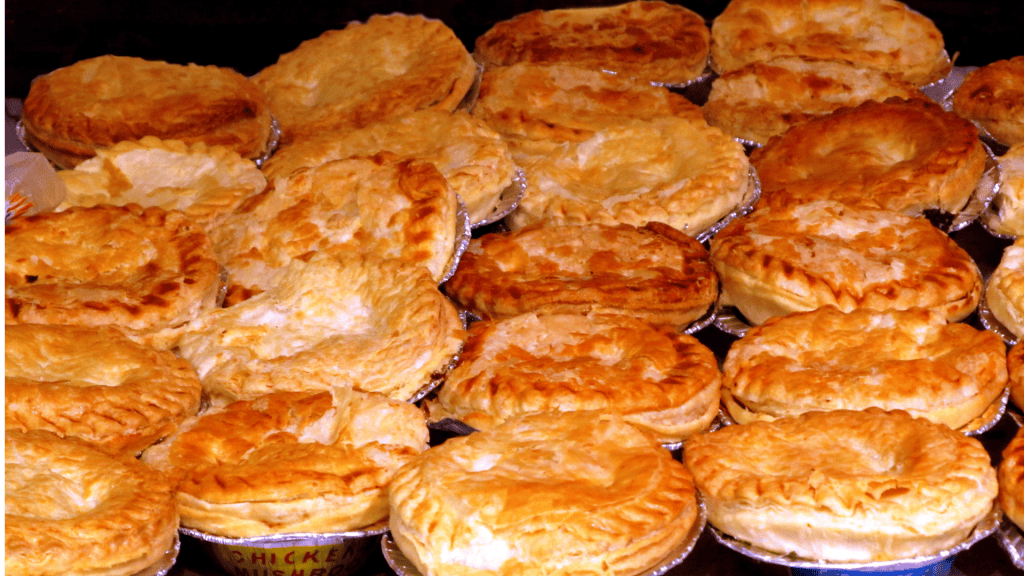
Another way to ensure that you have enough pies to donate to your food bank and money in your fundraising jar is to sell your pies at an affordable price. For example, if each pie costs $10 and you sell 100 of them, you’ll raise $1,000. If you sell 10 pies at $1 each, you’ll raise $100.
Doing the math, you can see that it’s better to sell the pies at $10 each and donate the $990 to your cause. This way, you’ll have enough money to make the pies you need, plus more money in your fundraising jar.
You can also sell your pies at a discounted rate. For example, you can sell the first 10 pies at a discounted price or sell a pie and a dessert for a discounted price. Doing this will not only allow you to sell more pies and reach your fundraising goal faster, but it will also attract more customers who are looking for a bargain.
Use social media to promote the event

Many people out there would like to buy a pie from you, but they don’t know that you exist. Use social media to get the word out. Post pictures of your pies, event, and anything else that will catch people’s attention and make them want to buy a pie from you.
Make sure to tag your posts with the names of your school, organization, or charity so they will appear in other people’s feeds.
Do everything you can to get people excited about your event. Ask people to share their pie orders with friends and family to get more people involved in your fundraiser.
Tips for a Successful Thanksgiving Pie Fundraiser
You can do a few things to ensure that your Thanksgiving pie fundraiser is a success. First, ensure that everyone knows they can buy pies at the event.
Second, make sure that you have a variety of pies available so that everyone can find something they like.
Third, have plenty of whipped cream and ice cream available for those who want their pie a la mode.
Fourth, ensure that you have plenty of tables and chairs for people to sit and eat their pies.
Finally, make sure that someone is there to collect money for the pies so that people don’t have to carry around a bunch of cash while eating.
Or you can hook up a QR code that redirects to a dedicated donation form for your pie fundraising event. You can easily set this up with platforms like Qgiv or Donorbox.
Final Thoughts
Finally, don’t get too caught up in the numbers. It’s important to remember that even if you don’t raise as much money as you would have liked, you are still helping your cause by hosting the event and making the pies.
Every bit of money you raise will go towards helping your cause, and the more you raise, the more you can do to help your cause. So don’t get too caught up in the numbers. Have fun with the event, sell lots of pies, and most importantly, enjoy Thanksgiving!
Schedule a free consultation with a nonprofit video expert
At Happy Productions, we help nonprofits use video to create volunteer spotlights
Schedule Free Consultation →Thanksgiving Pie Fundraiser FAQs
How much can a Thanksgiving pie fundraiser realistically raise per campaign?
Most Thanksgiving pie fundraisers raise $1,500–$28,000 per campaign, with the spread driven by participant scale, pie-vendor margin structure, and whether the program is single-week or multi-week. Small single-classroom and single-team Thanksgiving pie campaigns (15–50 sellers, 2–3 week pre-order window, single product line of 2–4 pie varieties) typically net $850–$3,500. Mid-tier school-and-community Thanksgiving pie programs (75–250 sellers, 3–5 week pre-order window with 6–12 pie varieties plus optional add-on items like rolls, whipped cream, and holiday side dishes) consistently raise $5,500–$15,500. Premium large-PTO and community-wide Thanksgiving pie programs (350–1,200 sellers, structured 4–6 week pre-order window with premium-bakery partnerships and full holiday-dinner product line) cleared $25,000–$85,000 in our documented examples. The single biggest revenue lever is bakery-vendor selection and margin structure — community-bakery partnerships typically offer 40–50 percent organization margin on $18–$28 retail pies, while wholesale-pie programs (Sams Club, Costco wholesale partnerships) offer 25–35 percent organization margin on lower-priced product; the community-bakery partnership structure produces 35–65 percent higher per-pie revenue with the additional advantage of higher buyer-perceived value and stronger fresh-baked quality reputation.
Which pie products and bakery partnerships consistently produce the best results?
Five product-and-partnership formats consistently outperform across documented Thanksgiving pie fundraisers: (1) local-community-bakery partnership programs — partnerships with established local bakeries (typically family-owned operations with 5–25 year community presence) producing 6–12 pie varieties at $18–$28 retail with 40–50 percent organization margin; the community-bakery format consistently produces the highest buyer-perceived value because fresh-baked local product carries quality reputation that wholesale and chain-bakery alternatives cannot match; (2) traditional-Thanksgiving-pie variety packages — pumpkin pie, pecan pie, apple pie, cherry pie, sweet-potato pie, and chocolate-cream pie as the core 6-variety lineup, with 70–85 percent of total orders consistently distributing across pumpkin (35–45 percent of orders), pecan (20–30 percent), and apple (15–25 percent); the traditional-variety focus produces higher conversion than experimental-flavor-only programs because buyers default to known-favorite Thanksgiving pie selections; (3) bundled holiday-dinner-add-on programs — pie programs expanded with optional add-on items (Thanksgiving rolls, dinner rolls, cornbread, whipped cream, sweet-potato casserole, pumpkin bread, holiday cookies) typically priced at $8–$22 per add-on; the add-on structure consistently produces 25–55 percent higher per-buyer order value because add-ons capture impulse-additional-purchases at checkout; (4) premium specialty-pie tier programs — specialty-pie offerings at $30–$45 retail (gluten-free, vegan, sugar-free, premium-flavor variants like maple-bourbon pecan, salted-caramel apple, double-crust dutch apple) with 45–55 percent organization margin; specialty-tier orders typically represent 10–20 percent of total order volume but contribute 25–40 percent of total revenue due to higher price point and margin; (5) pre-order-and-pickup logistics programs — pre-order structures with single-pickup-date logistics (typically the Tuesday or Wednesday before Thanksgiving) avoiding home-delivery complexity while maintaining high-perceived-value fresh-baked product; the pickup-only structure simplifies operations significantly and consistently produces 25–45 percent higher per-campaign-volunteer-hour-efficiency than home-delivery programs. Avoid: wholesale-pie programs (loses 35–65 percent of buyer-perceived value), experimental-flavor-only programs (loses 25–45 percent of conversion to known-favorite Thanksgiving selections), late-launch programs after November 1 (caps participation at 35–55 percent of potential), and home-delivery logistics for small-volunteer-team campaigns (creates 50–75 percent additional operational overhead).
How do we time and operate a Thanksgiving pie fundraiser around the holiday calendar?
Thanksgiving pie fundraiser timing is rigidly constrained by the Thanksgiving holiday date (fourth Thursday of November), and the disciplined October-launch-through-Thanksgiving-week-pickup cadence is non-negotiable. Five operating rules: (1) launch the campaign in the October 1–October 15 window with 3–5 week pre-order duration ending November 5–15 — this timing places pre-order cutoff 9–15 days before Thanksgiving, which gives the bakery vendor adequate production lead time for fresh-baked product; the launch-window placement is critical because October 1-launch programs consistently produce 35–55 percent more per-seller revenue than October 15-launch programs (longer sale window allows broader personal-network outreach), and October 15-launch programs outperform November 1-launch programs by another 25–45 percent (post-November-1 launches face shortened decision windows and missed pre-order-cutoff scenarios); (2) coordinate the pre-order-cutoff date 9–14 days before Thanksgiving with the bakery vendor in writing — bakery production capacity is typically constrained during Thanksgiving week (bakeries are also fulfilling direct-customer orders during the same window), so the vendor-cutoff-date confirmation should occur at campaign-planning phase and include vendor-confirmed maximum order quantity capacity; (3) sequence the campaign timing into 3–4 distinct sales phases — week 1–2 family-and-close-network sales (kickoff event + order-form distribution + immediate first-sales push), week 3–4 broader personal-network and workplace-of-parents sales, final-week last-chance and pre-order-deadline communication, and pickup-week order-distribution and customer-pickup logistics; the structured-phase model maintains seller-cohort momentum throughout the campaign; (4) coordinate the Thanksgiving-week pickup logistics 2–3 weeks before pickup date — pickup logistics include vendor-delivery scheduling (typically Tuesday or Wednesday before Thanksgiving, with vendor often delivering 6am–10am for 12pm–6pm customer-pickup window), pickup-location coordination (typically a school cafeteria, community-center, or church-hall with refrigerated-or-temperature-controlled space for fresh-baked product), volunteer-staffing schedule (typically 8–15 volunteers for 4–6 hour pickup window), and customer-communication of pickup date-time-location (typically 7–10 days before pickup with reminder communication 24–48 hours before pickup); (5) plan for the no-show-customer scenario — despite confirmed pre-orders, typically 3–8 percent of customers fail to pick up their pre-ordered product (forgotten orders, travel-schedule conflicts, family-emergency conflicts); the no-show plan should include extended pickup-window options for Tuesday-evening or Wednesday-morning late pickup, donation-to-food-pantry pathways for unclaimed product (avoiding food-waste), and clear communication that unclaimed product after the final pickup deadline cannot be refunded (because the bakery has already been paid for production). Avoid: launching after October 15 (loses 35–55 percent of pre-order window), pre-order cutoff later than 9 days before Thanksgiving (creates vendor-production capacity risk), skipping refrigerated-pickup-space coordination (creates fresh-baked product quality and food-safety risk), and skipping no-show pickup planning (creates 3–8 percent unclaimed product waste-and-loss).
How do we handle food safety, allergens, and dietary-restriction accommodation?
Food-safety and allergen-accommodation discipline is the operational variable that protects both the campaign and the customer base from health-risk exposure, and the disciplined coordination practice prevents the rare-but-catastrophic scenarios where food-safety incidents create program shutdown and legal-liability exposure. Five operating rules: (1) confirm the bakery vendor's commercial-kitchen licensing, health-department inspection status, and food-handler certification in writing before campaign launch — legitimate commercial bakeries hold local health-department permits, food-handler certifications for all production staff, and commercial-liability insurance with $1–$2 million minimum coverage; the documentation-verification protects the campaign organization from third-party liability exposure if a food-safety incident occurs; (2) document allergen content for every pie variety in writing on order forms and pickup-distribution materials — standard Thanksgiving pie allergen-disclosure should address gluten (in crust), dairy (in butter, cream, and some custard fillings), egg (in many custard fillings), tree-nuts (in pecan pie, walnut crusts), and the eight-major-food-allergen list (milk, eggs, fish, shellfish, tree nuts, peanuts, wheat, soy) plus sesame; the allergen-disclosure should specifically address cross-contamination risk (shared production equipment, shared production facility) for buyers with severe allergies; (3) offer dietary-restriction accommodation options where the bakery vendor can support them — gluten-free pie variants (typically 30–40 percent price premium, 45–55 percent organization margin), vegan pie variants (egg-free, dairy-free recipes with specialty-ingredient sourcing, typically 25–35 percent price premium), sugar-free pie variants for diabetic customers, and nut-free pie variants for severe-nut-allergy customers; the dietary-accommodation expansion captures customer segments that conventional-only programs miss; (4) plan refrigerated-and-temperature-controlled storage and transportation throughout the pickup logistics chain — custard-filled pies (pumpkin, sweet-potato, cream pies) require refrigerated storage at 40-degree-Fahrenheit-or-below temperature from production-completion through customer-pickup, with maximum-time-in-temperature-controlled storage typically 48–72 hours; the temperature-control coordination should include vendor-delivery refrigerated transport, pickup-location refrigerated storage capacity, and customer-pickup window timing to minimize storage duration; (5) communicate consumption and storage guidance to customers at pickup — standard guidance includes refrigeration within 2 hours of pickup, consumption within 3–4 days of pickup, do-not-leave-at-room-temperature-over-2-hours guidance, and reheating-and-serving instructions where applicable; the consumption-guidance communication protects both customer health and the campaign reputation from food-safety incidents that occur post-pickup. Avoid: bakery-vendor coordination without licensing-and-insurance verification (creates liability exposure), missing or incomplete allergen disclosure (creates severe-allergy customer-health risk and legal exposure), skipping refrigerated-storage coordination (creates food-spoilage and food-safety risk), and skipping customer consumption-guidance communication (creates post-pickup food-safety risk that damages campaign reputation).