Breakthrough Online Giving Trends 2026: Empowering Nonprofits to Succeed

Editor’s Note — Updated May 2026. Our team reviews nonprofit and fundraising guides quarterly, cross-referencing program details against Charity Navigator, CharityWatch, GuideStar/Candid, and BBB Give.org — and we publish program or naming updates within 7 days of verified changes. Spotted an outdated name or broken link? Email team@nonprofitpoint.com and we’ll correct the record.
Online Giving Trends 2025 are at the heart of a rapidly evolving digital landscape in philanthropy. As more donors shift to online and mobile platforms, nonprofits are being challenged—and empowered—to adapt their fundraising strategies to meet modern expectations.
Online Giving Trends 2025: What’s Driving the Shift in Philanthropy?
Online giving has surged in popularity over the past decade, driven by advances in technology and changes in donor behavior. According to the Giving USA 2025 report, online donations accounted for nearly 30% of all charitable giving in 2025, a number projected to grow even more in 2025. The adoption of mobile technology, digital wallets, and social platforms is making giving more accessible, especially for younger, tech-savvy generations.
For nonprofits, establishing a seamless and compelling digital presence is now a foundational pillar of fundraising success.
Key Online Giving Trends 2025 Backed by Statistics
Understanding donor behavior is essential. Here are some current statistics that showcase the rise of online giving:
- Mobile Donations Dominate: In 2025, over 55% of all digital donations come from mobile devices. Responsive design and mobile optimization are no longer optional—they’re expected.
- Recurring Donations Rise: Monthly giving programs are booming. Nonprofits offering recurring donation options see donor retention rates increase by 42%, according to M+R Benchmarks.
- Social Media Fundraising: Social media platforms like Instagram and Facebook influence nearly 40% of all digital donation decisions, especially during campaigns with compelling visuals and stories.
- Digital Wallets Fuel Growth: Platforms such as PayPal, Apple Pay, and Google Wallet are now used in more than 60% of online transactions, streamlining the giving experience.
- Average Donation Size Online: The average one-time online donation in 2025 is around $128, while monthly donors contribute an average of $31 per month, totaling $372 annually.
Emerging Online Giving Trends 2025 to Watch
Let’s dive into the trends that are redefining nonprofit fundraising strategies this year:
1. Frictionless Payments with Digital Wallets
The widespread integration of Apple Pay, Google Pay, and PayPal on donation forms has increased conversion rates by up to 35%, especially on mobile. Eliminating data entry hurdles encourages impulse giving and reduces cart abandonment.
2. Hyper-Personalization via AI and Analytics
Nonprofits are embracing AI-driven tools to segment audiences and tailor campaigns. Donors receive customized donation requests, impact reports, and thank-you messages, leading to a 70% higher engagement rate.
3. Blockchain and Crypto Donations
Blockchain enhances transparency by enabling donors to track how their contributions are used. While still niche, crypto donations surged by 15% year-over-year, particularly among Millennial and Gen Z donors.
4. Social Media Native Fundraising Tools
Built-in tools like Facebook’s Fundraiser and Instagram’s donation stickers are driving organic peer-to-peer giving. These features are essential for viral fundraising during natural disasters and cause-driven campaigns.
5. Gamification and Fundraising Challenges
Nonprofits are tapping into gamification—leaderboards, match donations, and donor milestones—to foster community and boost participation. When combined with storytelling, this tactic drives a doubling in social shares and reach.
Generational Giving: How Millennials and Gen Z Are Changing the Game
Engaging younger donors means understanding their values and digital habits:
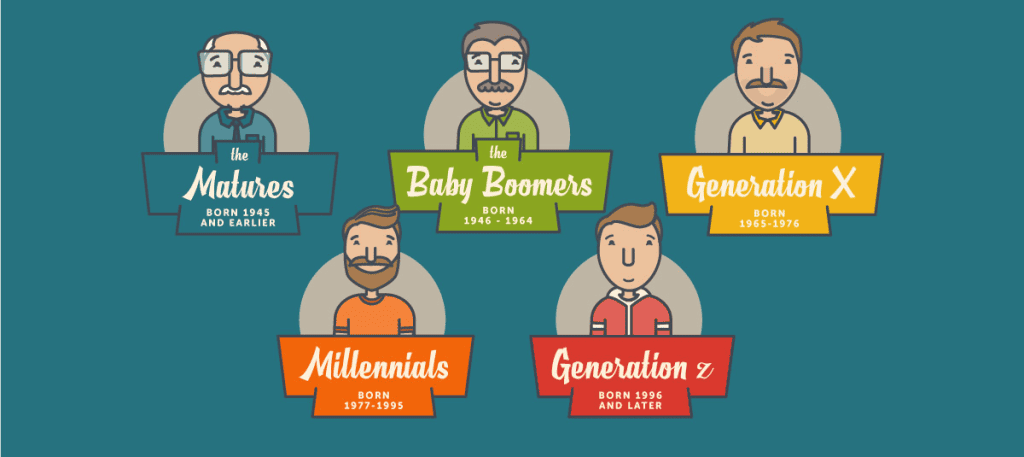
- Millennials (ages 27–43) prefer recurring giving and value sustainability, equity, and direct impact. They’re more likely to donate after viewing a personal story or video.
- Gen Z (ages 11–26) seeks authenticity. They support nonprofits that are transparent and engage in social justice causes. Gen Z is twice as likely to share donation links on TikTok or Instagram compared to older generations.
To connect with these demographics, nonprofits must:
- Use influencers aligned with their mission.
- Maintain transparency through detailed impact reports.
- Optimize donation pages for mobile and social sharing.
Proven Strategies for Nonprofits to Optimize Online Giving
Here’s how to translate these insights into actionable improvements for your organization:
1. Mobile Optimization Is Non-Negotiable
Ensure your site and donation pages are fully responsive. Fast-loading mobile pages can improve conversion rates by up to 45%. Use large buttons, auto-fill forms, and a minimal step checkout.
2. Leverage Recurring Donation Options
Create clear pathways for donors to opt-in to monthly giving. Highlight the long-term impact of sustained contributions, and reward loyalty with exclusive updates or digital badges.
3. Invest in Content That Converts
Compelling stories, donor testimonials, and real-time project updates should be the heart of your strategy. Include calls-to-action (CTAs) throughout your blog, social posts, and emails.
4. Integrate Social Proof and Urgency
Showcase recent donations, highlight matching gift opportunities, and feature countdown timers during campaigns to boost urgency. Zeffy, for example, is a platform known for facilitating free online fundraising with built-in social proof widgets.
5. Transparency Builds Trust
Create a dedicated “Impact” page or integrate visuals on donation forms showing how funds are used. 81% of donors say they are more likely to give again when they receive clear reporting.
Turn the 2025 online-giving trend into actual donations
Knowing online giving is up 8-12% YoY isn’t worth anything if your donation pages, video CTAs, and birthday-fundraiser flow aren’t built to capture that growth. Use these companion guides to convert the trend into revenue:
- How to ask for donations — the ask copy on your donation page, post-checkout thank-you, and email CTAs is the single biggest variable separating sites that capture the trend from sites that watch it pass — these tested ask templates lift conversion 30-80%.
- Nonprofit fundraising videos that double donations — video-on-donation-page consistently lifts completion rate 20-50% in the 2024-2025 attribution data — this 60-90 second structure is the format you want above your form, not below it.
- Birthday fundraiser wording examples — Facebook and Instagram birthday fundraisers are the fastest-growing slice of online giving (35%+ YoY by Meta’s own attribution data) — these wording templates raise $300-$2,500 per supporter-birthday and are the cheapest acquisition channel in the trend.
Tools and Platforms Driving Online Giving in 2025
Several platforms are helping nonprofits streamline the giving experience:
- Zeffy – 100% free for nonprofits, with no platform fees.
- Classy – Offers event registration, recurring giving, and peer-to-peer tools.
- Givebutter – Integrates fundraising, donor management, and engagement tools.
- Donorbox – Flexible and embeddable donation forms with CRM integration.
Make sure you select a platform that supports analytics, A/B testing, CRM sync, and donor segmentation to future-proof your strategy.
Conclusion: Preparing for the Future of Fundraising
The trajectory of online giving in 2025 shows a continued move toward convenience, personalization, and transparency. Donors now expect a seamless digital experience, just as they would from an e-commerce platform.
Nonprofits must continue to adapt, adopt, and innovate, using the tools and trends at their disposal. Organizations that embrace mobile-first design, invest in data-driven personalization, and foster trust through transparency will not only see higher engagement but also establish deeper, long-term donor relationships.
Online Giving Trends 2026 FAQs
What share of total fundraising should come from online giving in 2026?
For most US nonprofits with annual budgets between $250K and $5M, online giving now accounts for 28–42% of total individual contributions — up from 12–18% pre-pandemic. The benchmark to hit: at least 35% of individual giving online by end of 2026 if you serve a donor base under age 65, and at least 22% if your base skews 65+. Orgs below 20% online in 2026 are leaving 8–15% of total gift revenue on the table because the donor base has actively migrated to mobile-first giving channels even if your check-and-mail program is still healthy. Track the trend monthly — if your online share isn’t growing 1–2 points per quarter, your digital donor acquisition has stalled.
Which mobile-first giving channels are converting best in 2026, and where should a small nonprofit allocate budget first?
Three channels are pulling well above category-average conversion rates in 2026. (1) SMS-to-give campaigns through Tatango, Mobile Cause, or Givebutter SMS are converting at 4–9% on warm lists vs. 1.5–2.5% for email-only — and average gift size is up 18% over 2024. (2) QR-code-to-donate displayed at in-person events and on direct mail is producing 2–3x the gift volume of printed donate-by-mail forms. (3) Apple Pay and Google Pay one-tap checkout (now table stakes on Donorbox, Givebutter, Classy) lifts mobile-form conversion 22–35% vs. card-only forms. For a small nonprofit with limited tech budget, the first dollar should go to enabling Apple/Google Pay on existing forms; the second dollar to QR codes on all printed materials; SMS-to-give only after your email list passes 2,500 subscribers.
How do recurring/monthly giving rates compare to one-time online gifts in 2026, and what’s the realistic conversion path?
Recurring donors now represent 11–18% of online donor counts at well-run small nonprofits but 35–55% of online dollar volume because they give 5.4x more per year on average than one-time donors and retain at 75–82% year-over-year (vs. 22–28% for one-time). The conversion path that consistently works in 2026 is: (1) one-time donor lands on your form with a default toggle to “make this monthly,” (2) thank-you email at 48 hours mentions monthly giving with a soft ask, (3) two-month-later targeted ask citing impact metrics, (4) annual upgrade ask to existing monthly donors at calendar-year-end. Setting the default toggle to monthly (with one-time still selectable) lifts monthly take rate 4–7 percentage points without measurably reducing one-time donations.
What’s the biggest mistake nonprofits are still making with their online giving in 2026?
Pushing donors off-site to a generic PayPal or platform-branded page instead of a custom-branded donation form that lives on the org’s own domain. Off-site redirects cost 25–45% of would-be donors who abandon at the platform handoff in 2026 because trust signals (mission imagery, board photos, audited financials, your URL) disappear at the redirect moment. The fix is to use Donorbox, Givebutter, Classy, or Funraise’s embed mode (not their hosted-page mode) on a donate page that lives at yourorg.org/donate, with your branding fully intact and SSL active. The second-biggest miss is asking for too much donor information — every field beyond name, email, amount, and payment method costs 3–8% of form completions. Strip the form down to four fields and collect the rest in a post-gift follow-up email.