Crowdfunding for Charity: Best Platforms and Expert Tips for Successful Campaigns 2026

Editor’s Note — Updated May 2026. Our editorial team reviews this guide quarterly and cross-references program details against Charity Navigator, CharityWatch, GuideStar/Candid, and BBB Give.org — updates publish within 7 days of verified changes. Spotted an outdated fee, name, or policy? Email team@nonprofitpoint.com and we’ll correct the record.
Introduction
Crowdfunding for charity is revolutionizing digital fundraising…
In this guide, we’ll explore how crowdfunding for charity helps individuals and organizations connect with supporters. With over $34 billion raised globally via crowdfunding in 2023, platforms like GoFundMe and Classy are becoming essential for charitable giving. Whether you’re a nonprofit, individual, or part of a cause-driven community, understanding how to effectively launch a campaign can significantly impact your fundraising success.
This detailed guide dives into the top crowdfunding platforms for charity and outlines data-driven tips and strategies to help you run a high-converting campaign. You’ll also learn how to use emotional storytelling, digital tools, and community engagement to achieve (or even surpass) your funding goals.
What is Crowdfunding for Charity?
Three Direct-Aid Crowdfunding Verticals Donors Push Charity Crowdfund Dollars Through When the GoFundMe Campaign Closes
Charity crowdfunding — GoFundMe Causes, GiveButter peer-to-peer, Mightycause team pages, Givelively donation-form embeds, EventBrite-with-donation campaigns — is one of the highest-velocity donor-acquisition channels in the nonprofit-funding mix because the platform algorithm, the social-share mechanics, and the personal-story framing converge inside a 30-day campaign window. But the crowdfunding dollar that closes on the platform doesn’t always know where to route next, and three direct-aid crowdfunding verticals tend to absorb the next-month gift the donor was already moved to write but didn’t have a campaign for. The first is medical-equipment crowdfunding — the wheelchair, hospital-bed, oxygen-concentrator, mobility-scooter line that GoFundMe pulls into nearly every active campaign category and which a verified medical-equipment-aid directory catches with named-charity routing. The second is car-repair crowdfunding — the single-mom-with-the-broken-transmission line that crowdfund platforms see at high frequency but which donor energy can be routed instead through a named-car-repair-aid charity that operates without the platform fee. The third is rent-aid crowdfunding — the eviction-notice campaigns that close on the platform and re-route through the charities-that-help-with-rent directory for the next family in the same situation that month.
- Charities That Help With Medical Equipment — Medical-equipment-aid directory — the wheelchair, hospital-bed, oxygen-concentrator, mobility-scooter line that GoFundMe pulls into nearly every active medical-aid campaign and which the named-charity routing catalogued here covers without the platform fee. The Friends of Disabled Adults and Children, MedShare, ALS Association equipment-loan-closet, and Muscular Dystrophy Association equipment programs are the named verticals a donor exiting a closed crowdfund campaign can route the next-month gift through with verified DME outcomes.
- Charities That Help With Car Repairs — Car-repair-aid directory — the single-mom-with-the-broken-transmission line that crowdfund platforms see at high frequency but which donor energy can be routed instead through a named-car-repair-aid charity that operates without the platform fee. This directory catalogues 1-800-Charity Cars, Working Cars for Working Families, Vehicles for Change, On The Road Lending, and the regional Catholic Charities and Salvation Army car-aid programs that handle the platform-skipped gift.
- Charities That Help With Rent — Rent-aid directory — the eviction-notice crowdfund campaigns that close on the platform without hitting goal and re-route through this directory for the next family in the same situation. The named rent-aid charities (St. Vincent de Paul, local Catholic Charities rent assistance, Salvation Army emergency-aid, regional Community Action Agencies) catalogued here are the warm-hand-off path for the donor who watched a campaign close short and wants to keep the dollar in the same vertical without the next-platform-cycle wait.
Why Choose Crowdfunding for Charity Over Traditional Fundraising?
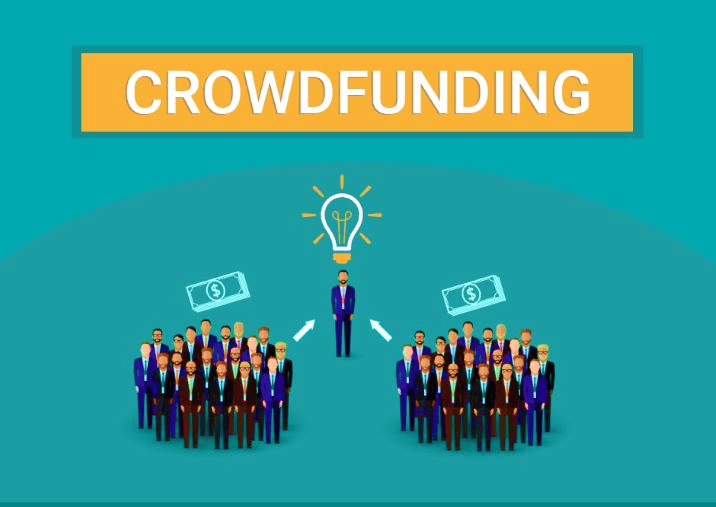
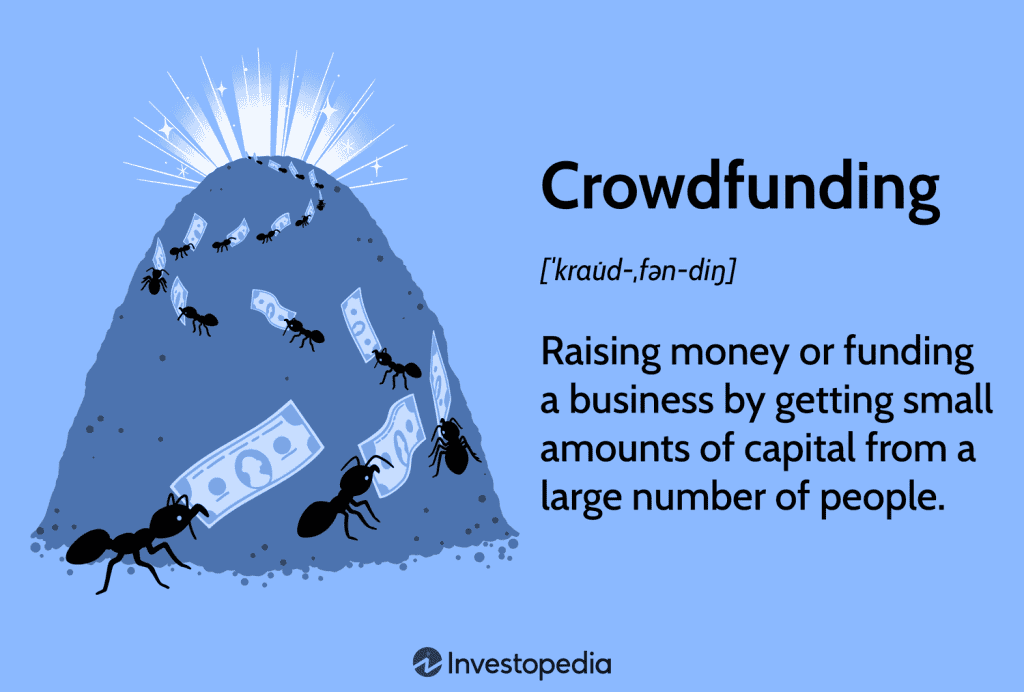
Crowdfunding for charity is the process of raising small contributions from a large number of people, typically through an online platform, to support a cause. Unlike traditional fundraising which may depend on a few large donors, crowdfunding emphasizes widespread community involvement, social sharing, and viral visibility.
Charitable crowdfunding is often:
- Project-based: Targeting specific needs like medical bills, educational support, or disaster relief.
- Socially driven: Leveraging platforms like Facebook, Instagram, or TikTok.
- Goal-focused: With clearly stated financial targets and timeframes.
Top Crowdfunding Platforms for Charity: In-Depth Comparison
Choosing the right platform can define your campaign’s reach, cost-effectiveness, and engagement potential. Here’s a comparative table of the leading platforms, including key facets like fees, features, and best use cases:
| Platform | Best For | Fees | Unique Features |
|---|---|---|---|
| GoFundMe | Individuals, urgent causes | 0% platform fee; ~2.9% + $0.30 per donation (processing) | Global recognition, high trust, quick setup |
| JustGiving | Registered charities (UK/US) | ~5% platform + payment fees | Gift Aid (UK), large charity network, charity branding |
| Fundly | Small teams and nonprofits | ~4.9% platform + 2.9% processing | Social sharing tools, campaign customization |
| Givebutter | Events, nonprofits, hybrid causes | No platform fee; donor tips cover costs | CRM, event ticketing, text-to-donate options |
| Classy | Professional nonprofits | Custom pricing (typically for large orgs) | Peer-to-peer fundraising, analytics dashboard |
| Mightycause | 501(c)(3) nonprofits | No platform fee; 1.2%–2.2% processing | Embeddable widgets, impact pages, recurring donations |
Tip: Always review the most current fee structure and payout schedule directly on each platform before choosing.
Key Statistics on Charitable Crowdfunding

To back your strategy with facts, here are some insightful data points:
| Stat | Insight |
|---|---|
| 62% | of donors prefer to give via online platforms. |
| 41% | of campaigns fail due to unclear goals or lack of updates. |
| $105 | is the average donation amount to medical causes on GoFundMe. |
| 3x | more engagement from campaigns with video storytelling. |
| 70% | of shares happen within the first 3 days of launching. |
Tips for Running a High-Performing Charity Crowdfunding Campaign
1. Set a Realistic, Transparent Goal
Define how much you need and explain where every dollar will go. Break it down in bullet points or infographics if possible.
Example:
- $5,000 – Medical equipment
- $2,000 – Monthly support for 3 months
- $1,000 – Emergency travel costs
2. Craft a Powerful Story
Stories drive empathy and action. Include:
- A personal narrative
- Real photos/videos
- Quotes from the people helped
Fact: Campaigns with a video raise 105% more than those without.
3. Launch with Momentum
Plan a soft launch by reaching out to friends, family, and close networks first. Aim to hit 20-30% of your goal within the first 72 hours before promoting it publicly.
4. Use Social Proof and Community Engagement
- Show real-time donations and donor messages
- Feature testimonials
- Encourage donor comments and social shares
Create urgency with updates:
“We’re $1,250 away from hitting our halfway point!”
5. Optimize for Mobile and UX
- Choose platforms with mobile-friendly interfaces
- Ensure fast loading speeds
- Keep donation processes under 3 clicks
6. Offer Non-Monetary Ways to Help
Some people may not be able to donate, but they can still:
- Share the campaign
- Help with logistics
- Spread awareness in their networks
Special Considerations for Specific Use Cases
| Crowdfunding For… | Best Platform | Notes |
|---|---|---|
| Healthcare | GoFundMe | High visibility and low fees for personal medical needs |
| Teachers/Classroom Needs | DonorsChoose | Direct connection with education donors |
| Animals/Pet Rescue | Fundly or GoFundMe | Emotional appeal works well with storytelling and videos |
| Faith-Based Projects | GiveSendGo | Focus on religious and community-driven funding |
| Veterans/Adoption | GoFundMe | Includes trust features and community support |
| Climate Change Causes | Classy or Mightycause | Ideal for 501(c)(3) groups with long-term mission goals |
Common Questions About Crowdfunding for Charity
Is crowdfunding effective for charities?
Yes — when done right, crowdfunding is cost-efficient and fast. It’s especially good for targeted campaigns and viral potential.
Are donations tax-deductible?
Only if made to IRS-registered 501(c)(3) nonprofits. Individual or personal fundraisers do not qualify.
Can I use multiple platforms?
Technically yes, but it’s not recommended. Splitting donors across platforms can dilute visibility and social momentum.
What should I include on my campaign page?
- Campaign goal and breakdown
- Your story
- Images and video
- Donation updates
- Social sharing tools
- Call-to-action
Schedule a free consultation with a nonprofit video expert
At Happy Productions, we help nonprofits use video to create volunteer spotlights
Schedule Free Consultation →Editable Template: Charity Campaign Planning Checklist (copy and paste the below)
| Task | Complete? |
|---|---|
| Define SMART fundraising goal | ☐ |
| Choose best-suited platform | ☐ |
| Create story with visuals | ☐ |
| Prepare social media plan | ☐ |
| Draft thank-you emails | ☐ |
| Plan for weekly campaign updates | ☐ |
Conclusion: Start Strong, Stay Engaged, Finish Big
With a thoughtful approach and the right tools, crowdfunding for charity can be transformative. If you’re ready to make an impact, start your crowdfunding for charity campaign today and connect with a global community of supporters. Use storytelling, strategic platform choice, and consistent engagement to maximize results. The first few days set the pace, but it’s the relationships you build that drive long-term success.
So whether you’re supporting a sick pet, funding an adoption, or backing environmental change — launch your campaign today and watch your community rally behind your cause.
Frequently Asked Questions
Which crowdfunding platform charges the lowest fees for registered charities?
Among the main charity-specific platforms: Givebutter charges 0% platform fees plus standard 2.9% + $0.30 payment processing (with optional tipping that covers their costs). PayPal Giving Fund passes 100% of donations to verified 501(c)(3)s with no fees. Facebook Fundraisers also pass 100% to verified nonprofits via the PayPal Giving Fund pipeline. Compare against general-purpose platforms (GoFundMe Charity now sunset, Mightycause at 1.95%, Donorbox at 1.5% + processing): the math almost always favors a charity-specific platform once monthly volume exceeds $5K.
Are crowdfunding donations tax-deductible for the donor?
Tax-deductibility hinges on whether the recipient is a registered 501(c)(3) organization. Donations to GoFundMe personal campaigns (medical bills, family emergencies) are typically NOT deductible because the recipient is an individual. Donations to platforms that route through a 501(c)(3) fiscal sponsor (Givebutter, Donorbox-hosted nonprofits, GoFundMe's charity tier, Facebook Fundraisers for verified nonprofits) ARE deductible — donors should receive a written acknowledgment from the receiving 501(c)(3) for any single donation of $250+. Verify the receiving organization's status on GuideStar/Candid before claiming the deduction.
How long should a charity crowdfunding campaign run?
Optimal duration is 30–45 days. Shorter than 21 days and you don't generate enough share-velocity from second- and third-degree contacts; longer than 60 days and momentum decays sharply — the last week typically produces 35–45% of total campaign revenue regardless of length, so a 30-day campaign concentrates that final-week urgency more effectively than a 90-day slog. Set a clear end date publicly, send a “48 hours left” reminder, and consider a stretch goal once you cross 80% to extend without losing urgency.
Do you need 501(c)(3) status to use a charity crowdfunding platform?
Most charity-tier platforms (Givebutter, Mightycause, Donorbox, Classy) require IRS-confirmed 501(c)(3) status verified through GuideStar/Candid or the IRS Tax Exempt Organization Search before unlocking deductibility-language and lower processing fees. Pending-status nonprofits and fiscal-sponsorship arrangements (where a 501(c)(3) sponsor receives funds on behalf of an unincorporated project) are accepted by some platforms but the donations are deductible to the sponsor, not the underlying project. If you don't have 501(c)(3) status yet, run the campaign on GoFundMe personal or a similar non-charity platform — donors won't get the deduction but you'll keep more of the money during the formation period.