Ultimate Guide to Hosting a Cake Auction Fundraiser: Success Tips + Ideas

Editor’s Note — Updated May 2026. Our team reviews nonprofit and fundraising guides quarterly, cross-referencing program details against Charity Navigator, CharityWatch, GuideStar/Candid, and BBB Give.org — and we publish program or naming updates within 7 days of verified changes. Spotted an outdated name or broken link? Email team@nonprofitpoint.com and we’ll correct the record.
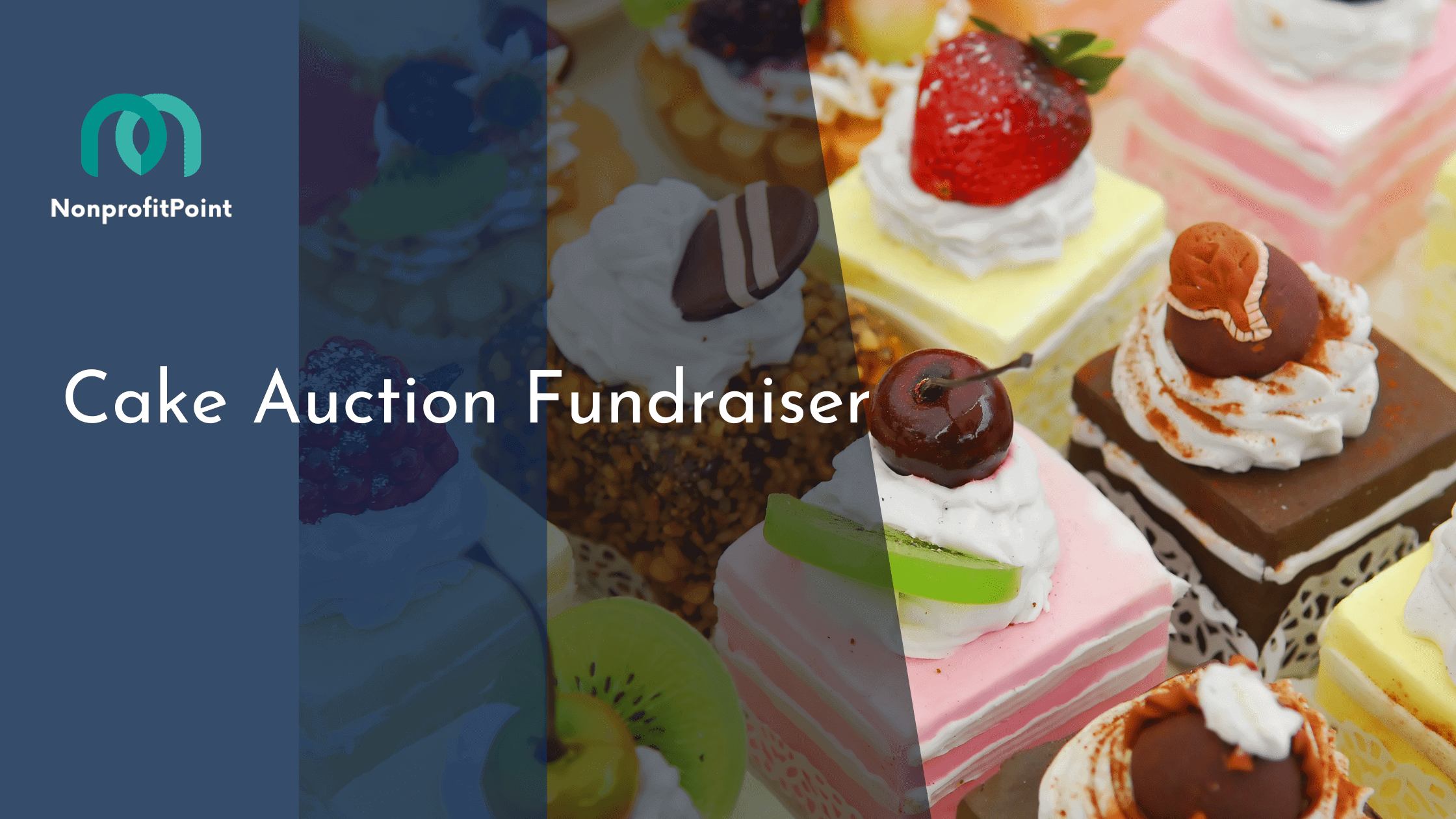
Imagine stepping into a world where the sweet aroma of freshly baked cakes fills the air, each creation a masterpiece of flavor and design, all lined up not just for admiration but for a cause that touches hearts. This is the essence of a cake auction fundraiser, a delightful blend of culinary artistry and community spirit. Such events have emerged as a popular and effective way to raise funds, unite people for a common goal, and add a pinch of joy and competition to the mix. They’re not just about the highest bid; they’re celebrations of creativity, generosity, and the power of community.
Why does this matter to you? Whether you’re a baking aficionado eager to showcase your skills, a community leader looking for innovative fundraising ideas, or simply someone who loves to support good causes in fun and engaging ways, a cake auction fundraiser offers something unique.
It’s an opportunity to connect, to make a difference, and to enjoy the simple pleasure of a good cake for a great cause. As we slice into the details of organizing such an event, from planning to execution, keep in mind that every crumb of effort contributes to a larger impact. So, let your curiosity lead the way as we explore how to turn delectable desserts into meaningful change.
1. Planning Your Cake Auction Fundraiser

Choosing a Theme
Selecting a theme for your cake auction fundraiser can transform a simple gathering into an unforgettable event. Themes like “Enchanted Garden,” “Vintage Glamour,” or “Around the World” not only set the stage for the bakers to unleash their creativity but also make the event more engaging for attendees. When choosing a theme, consider the interests of your community and the season.
For example, a “Summer Fiesta” theme might be perfect for a warm, outdoor event, encouraging a vibrant array of cake designs from tropical fruit flavors to bright, festive colors. Themes can guide your decorations, dress code, and even the music, creating a cohesive and immersive experience that enhances the fun and encourages higher bids.
Venue and Timing
The choice of venue is crucial to the success of your fundraiser. It needs to accommodate your guests comfortably while providing enough space for cake displays, a bidding area, and mingling. Community centers, school halls, or local event spaces can be cost-effective options.
Consider the timing of your event as well; weekends often work best as more people are available to attend. However, don’t overlook the possibility of aligning your event with a community festival or local holiday, which can boost attendance. Ensure your chosen date doesn’t clash with other major community events to maximize participation.
Promotion and Registration
Effective promotion is key to ensuring your fundraiser’s success. Utilize social media platforms, local community boards, and word-of-mouth to spread the word. Creating visually appealing flyers and posters can catch people’s eyes, and leveraging local businesses to display them can expand your reach.
Encourage early registration for both bakers and attendees by offering incentives, such as early bird discounts or special previews of the cakes. Online registration platforms can simplify this process, making it easy for participants to sign up and for organizers to keep track of numbers.
2. Engaging the Community

Recruiting Volunteer Bakers
Your event’s success hinges on the variety and quality of cakes on auction. Reach out to local baking enthusiasts, culinary schools, and professional bakers to participate. Offering categories for different skill levels—from novices to professionals—ensures everyone feels welcome to contribute.
Highlighting the cause your fundraiser supports can also motivate bakers to donate their time and skills. Consider hosting a kick-off meeting or a baking workshop to inspire participation and build excitement.
Involving Local Businesses
Local businesses can play a pivotal role in the success of your cake auction fundraiser. Beyond financial sponsorships, businesses can donate services or items for a raffle, provide ingredients for bakers, or even offer spaces for promotional events leading up to the auction.
Engaging local businesses fosters a sense of community involvement and can turn them into advocates for your cause. Highlighting their contributions through social media shout-outs mentions in promotional materials, and thank-you plaques at the event can provide valuable exposure and encourage their ongoing support.
Creating an Interactive Experience
An auction is just the beginning. To make your event truly memorable, consider adding interactive elements such as live baking demonstrations, cake decorating workshops, or “bake-offs” where teams compete on the spot. These activities not only entertain but also engage attendees more deeply with the art of baking and the spirit of the fundraiser.
Offering tasting samples, especially of the cakes up for auction, can tempt attendees to bid higher. Incorporate voting for “People’s Choice” awards to involve everyone in the excitement, making them feel an integral part of the event’s success.
By focusing on these aspects, you can lay a strong foundation for a cake auction fundraiser that not only raises significant funds for your cause but also fosters community spirit, showcases local talent, and leaves participants eagerly anticipating your next event.
3. Running the Auction

Setting Up the Auction Space
The setup of your auction space is critical for creating an inviting atmosphere that encourages bidding. Arrange the cakes on tables with plenty of space around each, allowing attendees to view them from all angles without crowding.
Each cake should have a descriptive card detailing its flavor, ingredients (to alert those with allergies), and the baker’s name or story, adding a personal touch that can increase its value. Lighting plays a key role too; ensure each cake is well-lit to highlight its artistry. If space permits, create a separate area for live auction items and silent auction sheets to facilitate easy movement of attendees between different sections.
Conducting the Auction
Deciding whether to go for a silent or live auction—or a mix of both—depends on your audience and the number of cakes available. Silent auctions allow attendees to browse at their leisure and can be less intimidating for those new to auctions. However, a live auction, led by a charismatic auctioneer, can create excitement and drive up bids through the thrill of competition.
Provide clear instructions on how to bid, and consider using bidding paddles for a live auction to enhance the experience. For silent auctions, ensure bid sheets are easy to read and pens are plentiful. Having volunteers on hand to answer questions and encourage bidding can also significantly impact your fundraising totals.
Payment and Cake Distribution
Efficiently managing payments and cake distribution is vital to concluding your event on a high note. Offer multiple payment options, including cash, credit/debit cards, and mobile payment platforms, to accommodate all guests.
For the distribution of cakes, have a clear system in place. Once a cake is won, issue a receipt or a token that the winner can exchange for their cake. This helps avoid any confusion and ensures a smooth handover process. Consider having volunteers available to assist with carrying cakes to vehicles, especially for larger or more delicate creations.
4. Maximizing Impact and Follow-up

Documenting the Event
Capturing high-quality photos and videos throughout the event is essential for several reasons. Not only do they serve as a wonderful memento for participants, but they’re also invaluable for promoting future events. Share these visuals on social media platforms, tagging participants and sponsors to extend your reach.
Creating a highlight reel or a photo album on your event’s or organization’s website can engage those who couldn’t attend and inspire them to participate in the future.
Thanking Participants and Sponsors
A heartfelt thank-you to everyone who contributed to the success of your cake auction fundraiser is crucial. Personalized thank-you notes to bakers, volunteers, sponsors, and winners show appreciation and can foster long-term relationships.
Acknowledge their contributions publicly on social media and through your organization’s communication channels. For sponsors and major contributors, consider offering additional tokens of appreciation, such as certificates or plaques, to recognize their support significantly.
Evaluating the Event
Post-event evaluation is key to understanding what worked well and what can be improved. Gather feedback from participants, volunteers, and sponsors through surveys or informal conversations. Ask specific questions about the auction process, the variety and presentation of cakes, the venue, and the overall experience.
Analyze financials to assess the fundraiser’s success and identify areas for cost savings or increased revenue for future events. Use this insight to refine and enhance your next cake auction fundraiser, ensuring it’s even more successful and enjoyable for all involved.
By meticulously planning and executing your cake auction fundraiser, and thoughtfully following up afterward, you create a memorable experience that not only raises funds but also builds community, celebrates creativity, and sets the stage for future success.
5. Marketing and Promotion Strategies
Leveraging Social Media
In today’s digital age, social media is a powerful tool to create buzz around your cake auction fundraiser. Create a unique hashtag for your event to make it easy for people to follow and share. Regular posts leading up to the event can feature sneak peeks of the cakes, baker profiles, and behind-the-scenes preparations to build excitement.
Engaging content, such as polls asking followers which cake they’re most excited to bid on or live video Q&As with some of the bakers, can increase interaction and reach. Collaborating with local influencers or community figures to share your event can also dramatically increase visibility beyond your immediate network.
Email Campaigns
Email campaigns can be a direct and personal way to reach potential attendees. Segment your audience and tailor your messages: send one type of message to past attendees and another to potential new guests, highlighting what makes your event unique and worth attending.
Include eye-catching images of past events, testimonials from previous participants, and a clear call to action directing them to the registration page. Reminder emails as the event approaches can help keep it top of mind and encourage last-minute sign-ups.
Local Media and Community Partnerships
Engage local media by sending press releases that highlight the uniqueness of your event and its benefit to the community. Local newspapers, radio stations, and TV channels can offer promotional support, especially if there’s an interesting story or a community figure involved.
Forming partnerships with community organizations, schools, and businesses can also amplify your reach. These organizations can share your event within their networks, providing a broader audience base and potentially increasing attendance and participation.
6. Leveraging Technology for Efficiency and Engagement
Online Bidding Platforms
Incorporating an online bidding platform can significantly enhance the auction process by allowing participants to bid from their phones or computers, ideal for those who cannot attend in person. This technology can expand your event’s reach to a wider audience, potentially increasing the funds raised.
Platforms can offer features like automatic bid notifications, which keep bidders engaged and competitive, driving up the auction prices even further.
Interactive Event Apps
Developing or using an existing event app can streamline the attendee experience and offer interactive opportunities. Through an app, participants can preview the cakes, learn about the bakers, and even start planning their bids before the event.
During the event, the app can provide real-time updates, such as which cakes are currently up for auction and the leading bids. Post-event, the app can be used to gather feedback, share photos and videos, and thank participants for their contributions.
Payment Processing Solutions
Fast, secure, and hassle-free payment processing is critical for closing sales efficiently at the end of the auction. Integrating reliable payment processing solutions that accept a wide range of payment methods ensures a smooth checkout process.
Providing options for mobile payments, credit cards, and online transfers can accommodate all attendees’ preferences, making it easy for them to contribute to your cause. Additionally, offering the ability to pre-register payment information can expedite the payment process, ensuring a positive experience for all involved.
By adopting these strategies, your cake auction fundraiser can leverage the best of both traditional community engagement and modern technology. This blend not only maximizes the event’s reach and impact but also enhances the participant experience, making your fundraiser a memorable event that people look forward to year after year.
7. Sustainability and Inclusivity in Event Planning
Emphasizing Eco-Friendly Practices
Sustainability is becoming increasingly important to both event organizers and participants. For your cake auction fundraiser, consider implementing eco-friendly practices such as using biodegradable or reusable serving ware and decorations.
Encourage bakers to source ingredients locally and organically where possible, reducing the carbon footprint associated with transportation. Additionally, planning for waste reduction by estimating attendance accurately can minimize excess food, while partnering with local food banks to donate leftovers can support your community and ensure a sustainable event approach.
Fostering an Inclusive Environment
Inclusivity ensures that everyone in the community feels welcome and able to participate in your event. This can be achieved by offering a range of cake categories that cater to various dietary restrictions and preferences, such as gluten-free, vegan, or nut-free options.
Accessibility is also key; ensure the venue is accessible to people with disabilities, including adequate parking and restroom facilities. Providing clear information on the event’s inclusivity measures in promotional materials can encourage wider participation, making everyone feel valued and respected.
8. Future Planning and Networking Opportunities
Building a Community for Future Events
Your cake auction fundraiser can serve as a foundation for building a vibrant, engaged community that looks forward to future events. Encourage attendees and participants to sign up for a newsletter or follow your organization on social media to stay informed about upcoming activities.
Offering volunteer opportunities at the event can also help individuals feel more connected to your cause and more likely to participate again in the future.
Creating Networking Opportunities
The event can also be a networking hub for local bakers, businesses, and community members. Facilitate connections by organizing a pre-event mixer or a post-auction networking session. Encourage bakers and business sponsors to bring business cards or promotional materials, and consider setting up a ‘meet and greet’ area where attendees can learn more about how they can support or collaborate with each other beyond the fundraiser.
This not only adds value to the event experience but also strengthens the community’s fabric, fostering relationships that can lead to mutual support and opportunities for collaboration.
In summary, integrating sustainability and inclusivity into your cake auction fundraiser not only enhances the event’s appeal and ensures a broader community engagement but also aligns with contemporary values and expectations.
Looking beyond the event itself to foster a sense of community and create networking opportunities can set the stage for future successes, turning a one-time fundraiser into a cornerstone event that participants eagerly anticipate and support year after year.
5 Cake Auction Fundraiser Ideas:
1. Themed Cake Creations
Organize a cake auction where each cake is inspired by a specific theme, such as famous artworks, literary classics, or iconic movies. Bakers are encouraged to unleash their creativity, crafting cakes that not only taste delightful but also represent a piece of art, a book character, or a movie scene.
This idea adds an element of excitement and competition among the bakers while providing a visual spectacle for attendees. To enhance the theme, the event space could be decorated to match the chosen theme, and attendees could be invited to dress accordingly, making the event a thematic experience. Auctioning these masterpieces not only becomes a highlight of the event but also a talking point that can attract media attention and social media buzz, further promoting the fundraiser.
2. Local Celebrity Bake-Off Challenge
Collaborate with local celebrities, such as TV personalities, chefs, or athletes, who are tasked with baking a cake for the auction. The twist: they’re paired with professional local bakers who serve as their mentors. This idea taps into the local community’s pride and offers a unique draw for attendees who are fans of the celebrities.
The bake-off can be promoted through social media challenges, where followers vote on what types of cakes they’d like to see, adding interactive elements before the event. The auction can be live-streamed, allowing a broader audience to participate and bid on the cakes online, increasing the fundraiser’s reach and potential donations.
3. Around the World Cake Journey
Invite bakers to create cakes inspired by different countries’ cuisines and cultures, turning the auction into a global gastronomic journey. Each cake could represent a country, featuring ingredients and designs that reflect its culinary traditions and aesthetic beauty.
This not only showcases the diversity of baking traditions around the world but also educates attendees about different cultures in a deliciously engaging way. To complement the cakes, the event could include music, dance, or storytelling from the various cultures represented, offering a rich sensory experience that celebrates global diversity and unity.
4. Seasonal Sensations Cake Auction
This idea revolves around seasonal themes, with cakes designed to represent different times of the year, holidays, or seasonal ingredients. For instance, a spring auction might feature cakes with floral designs and fresh, light flavors, while a fall auction could showcase cakes with rich spices, pumpkin, or apple themes.
This not only gives the event a timely relevance but also encourages bakers to experiment with seasonal ingredients and designs, offering attendees a taste of the season. The auction could become an anticipated annual event, with each season bringing its own unique flavors and creative inspirations to the forefront.
5. Interactive Cake Decorating Contest
Before the auction begins, host an interactive cake decorating contest where attendees get to be the decorators. Participants can form teams and are given plain, pre-baked cakes along with a variety of decorating tools and ingredients.
They have a set amount of time to decorate their cakes based on a theme provided at the event. Once the decorating frenzy is over, the cakes are judged by a panel, including professional bakers and event sponsors, and then added to the auction lineup. This idea not only adds an interactive and fun element to the event but also allows attendees to feel personally invested in the auction, as they have the chance to bid on and take home a cake they helped create.
Conclusion
Related guide: If your bakers loved this event, keep the fun going with more fundraising ideas like pie in the face — playful challenges that pair perfectly with a cake auction.
As we close the oven door on our exploration of cake auction fundraisers, it’s clear that these events are more than just a means to raise funds; they are a celebration of creativity, community, and the universal love of cake. By weaving together the artistry of baking with the spirit of philanthropy, cake auctions serve as a reminder that when we come together for a cause, the result is not just the sum of its parts but a confection far greater.
In a world often divided by differences, the humble cake stands as a testament to what unites us. Whether it’s the awe-inspiring creations of a themed cake auction or the heartwarming collaboration in a local celebrity bake-off, these events underscore the power of food to bring people together. As we ponder the potential of a cake auction fundraiser, let’s not underestimate the ability of a single slice of cake to evoke nostalgia, spark joy, and even inspire change.
Beyond the layers of fondant and flour, cake auctions embody the essence of community engagement and the endless possibilities that arise when creativity meets generosity. So, as you consider organizing or participating in a cake auction, remember that you’re not just offering a piece of cake; you’re providing a slice of hope, a dollop of joy, and a sprinkling of unity. And in the end, isn’t that the recipe for a better world?
In the sweetness of a perfectly baked cake lies the potential to transform fundraising into a moment of connection, celebration, and shared purpose. As we part ways with this guide, let it inspire you not only to dream up your own unique cake auction but to see the profound impact that can be made when we choose to mix, bake, and share in the name of a cause close to our hearts. For in every bite, there’s a story, and in every auction, there’s an opportunity to make those stories part of a larger narrative of community, care, and change.
Cake Auction Fundraiser FAQs
How much can a cake auction fundraiser realistically raise per event?
Most community-scale cake auctions raise $1,800–$14,500 per event, with the spread driven by audience scale, baker prestige, and whether the format is live-auction, silent, or hybrid. Small school or church cake auctions with 40–100 attendees and 20–40 donated cakes typically net $1,200–$3,800. Mid-tier community cake auctions (150–300 attendees, 50–80 cakes, live auctioneer) consistently raise $4,500–$11,000. Premium “celebrity-baker” or named-pastry-chef cake auctions in larger metro markets cleared $14,000–$32,000 in our documented examples when paired with sponsorship and table-sponsor packages. The single biggest revenue lever isn’t the cake roster — it’s the live-auctioneer-versus-silent decision. Live-auction cakes consistently sell for 2.2–3.8x their comparable retail price thanks to bidder-against-bidder pacing, while silent-auction cakes typically sell within 10–25 percent of retail. Hybrid formats (15–20 live-auction “hero” cakes plus 30–50 silent-auction supporting cakes) deliver the highest average net revenue per cake.
Who donates the cakes, and how do we source bakers consistently?
Four sourcing channels deliver 85–95 percent of cake-auction inventory across documented programs: (1) local bakeries and pastry shops — typically donate 1–3 cakes per bakery with 6–15 bakery partners per event, drives the premium “hero” cake roster for live auction; (2) community member home bakers — provides 60–75 percent of supporting silent-auction inventory, recruit through church groups, school PTAs, community-center bulletin boards, and Facebook neighborhood groups; (3) culinary school and pastry program partnerships — advanced students donate showcase pieces in exchange for portfolio photography and program credit, particularly strong in metro markets with culinary institutes; (4) celebrity baker or food-personality donations — Food Network alumni, James Beard nominees, and local cookbook authors who donate one signature piece for the highest-bid hero lot. The single biggest sourcing mistake organizations make: under-managing the baker roster timeline. Confirm 30–45 day baker commitments with signed donation letters specifying cake size, presentation requirements, and drop-off windows — programs that rely on verbal commitments routinely lose 20–35 percent of expected inventory in the final 2 weeks.
Which auction formats and add-ons work best for cake fundraisers?
Five format and add-on combinations consistently outperform across cake-auction fundraisers: (1) hybrid live-plus-silent format — 15–20 hero cakes live-auctioned by a community-known auctioneer (often a school principal, pastor, or local radio personality donating their time), 30–50 supporting cakes in silent auction with bid sheets that close at staggered times, raises 35–55 percent more than pure-silent formats; (2) cake-slice tasting tables at $5–$10 per slice — sample cakes for the silent-auction inventory let bidders taste before bidding, lifts average winning bid 25–45 percent and produces $400–$2,200 in concession revenue; (3) raffle-fundraiser sidecar — a separate $5–$10 raffle ticket for a baker’s “cake of the month” subscription (one custom cake per month for 6–12 months) sells $800–$3,500 in tickets with extremely high attendee participation; (4) corporate table sponsorships at $250–$1,500 per table — sponsors get reserved seating, name recognition, and first bidding rights on premium cakes, typically secures 6–15 corporate tables per event; (5) cake-decorating competition or kid-baker showcase — community-engagement format that produces a cake-roster wave at no cost to the host. Avoid: pure-silent formats without a live closing window (under-converts by 25–40 percent because bidder-against-bidder competition is what drives premium pricing), and over-commercializing with chain-bakery donations that dilute the “handmade community” story that drives premium bidding.
How do we handle food-safety, allergen labeling, and logistics?
Cake auctions involve food-safety risk that organizers routinely underestimate. Five operational rules protect both the program and the bidders: (1) require every donated cake to ship with a baker-completed ingredient and allergen card listing the eight major allergens (milk, eggs, tree nuts, peanuts, wheat, soy, fish, shellfish, sesame) — some states (CA, NY, MA, IL) require this by statute for any charitable food auction, others by best practice; (2) check local cottage-food-law restrictions before accepting home-baker donations — most states permit unlicensed home-baker donations to one-time nonprofit events, but several states (NJ, WI portions) restrict refrigerated items like cream-cheese-frosted cakes or fresh-whipped-cream toppings; (3) build a 4–6 hour pre-event drop-off and cold-storage window with refrigerated trucks or borrowed institutional fridges for any dairy-heavy cakes — cake quality degrades visibly after 8–10 hours at room temperature; (4) deliver winning cakes in food-safe transport packaging the bidder takes home immediately — cake boxes at $0.75–$2.50 each are a worthwhile $50–$200 line item, never let attendees attempt to transport unwrapped cakes; (5) photograph every cake on arrival for both the bidder display board and post-event impact reports — the photography also creates a year-2 marketing library that lifts following-year attendance 25–45 percent. Avoid: accepting cakes without ingredient cards (creates liability exposure), and serving home-baked goods in jurisdictions that don’t permit cottage-food donations at fundraising events.