Innovative Art Fundraiser Ideas to Support Creative Communities 2026

Editor’s Note — Updated May 2026. Our team reviews nonprofit and fundraising guides quarterly, cross-referencing program details against Charity Navigator, CharityWatch, GuideStar/Candid, and BBB Give.org — and we publish program or naming updates within 7 days of verified changes. Spotted an outdated name or broken link? Email team@nonprofitpoint.com and we’ll correct the record.
Introduction
Art plays a vital role in enriching communities, fostering creativity, and providing educational opportunities. However, funding for art programs often faces challenges. Organizing art fundraisers not only generates financial support but also raises awareness and engagement within the community. This guide explores a variety of art fundraiser ideas suitable for schools, nonprofits, and community organizations.

Table of Contents
- Art Auctions
- Community Art Exhibitions
- Interactive Art Workshops
- Art Merchandise Sales
- Online Fundraising Campaigns
- Collaborative Mural Projects
- Art Competitions
- Artist Meet-and-Greets
- Seasonal Art Fairs
- Conclusion
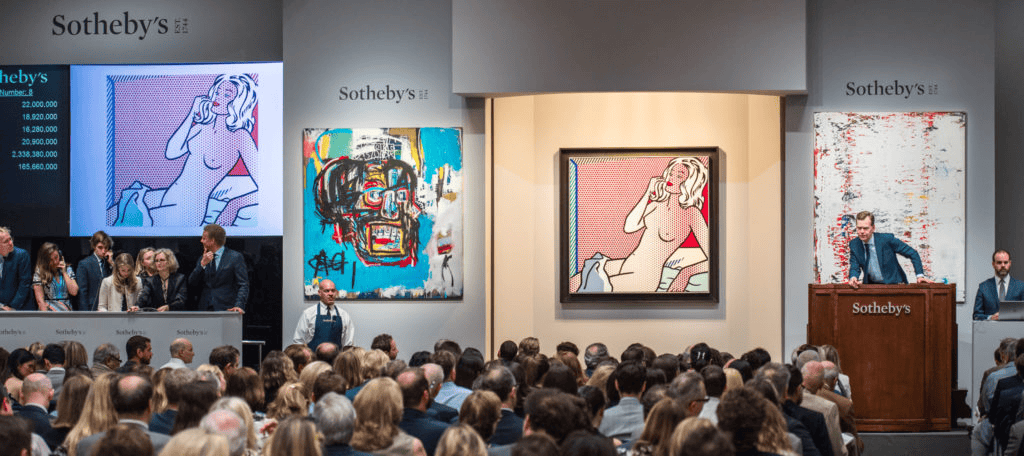
Art Auctions
Hosting an art auction is a classic and effective way to raise funds. Solicit artwork donations from local artists, students, or community members. Auctions can be held in person or online, expanding reach and participation.Neon One
Tips:
- Curate a diverse collection: Include various art forms such as paintings, sculptures, and photography.
- Set starting bids appropriately: Consider the value and appeal of each piece.
- Promote the event: Use social media, local media outlets, and community boards to attract attendees.GoFundMe
Community Art Exhibitions
Organize an exhibition showcasing local talent. Charge an entry fee or suggest donations at the door. This not only raises funds but also provides artists with exposure.

Ideas:
- Themed exhibitions: Focus on specific themes like environmental art or cultural heritage.
- Interactive elements: Include live art demonstrations or audience participation pieces.
- Partnerships: Collaborate with local businesses or galleries for venue space and promotion.futurefund.com+2Reddit+2Reddit+2
Interactive Art Workshops
Offer workshops where participants can learn and create art. Charge a fee for attendance, covering materials and instruction.
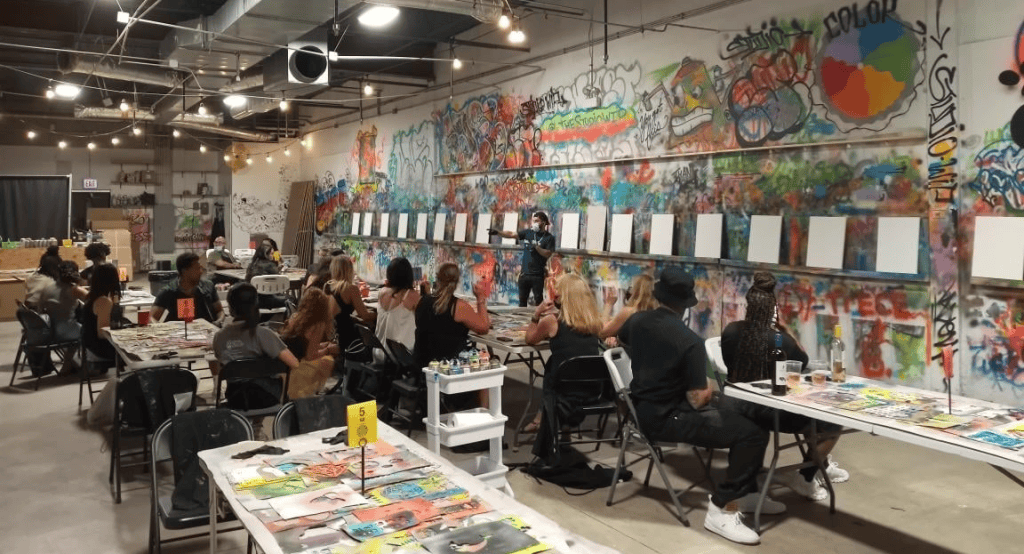
Workshop Concepts:
- Painting and Sip: Combine art creation with refreshments in a relaxed setting.
- Pottery Classes: Teach basic pottery techniques with hands-on experience.
- Printmaking Sessions: Introduce participants to printmaking methods and allow them to create their own prints.analyticsearches.com+6Neon One+6choosebooster.com+6
Art Merchandise Sales
Transform artwork into merchandise such as t-shirts, mugs, or tote bags. Sell these items online or at events to generate funds.
Steps:
- Select artwork: Choose designs suitable for merchandise.
- Find a printing service: Use local or online services to produce items.
- Set up sales channels: Create an online store or sell at local markets and events.Original Works+4The Irish Sun+4Wikipedia+4
Online Fundraising Campaigns
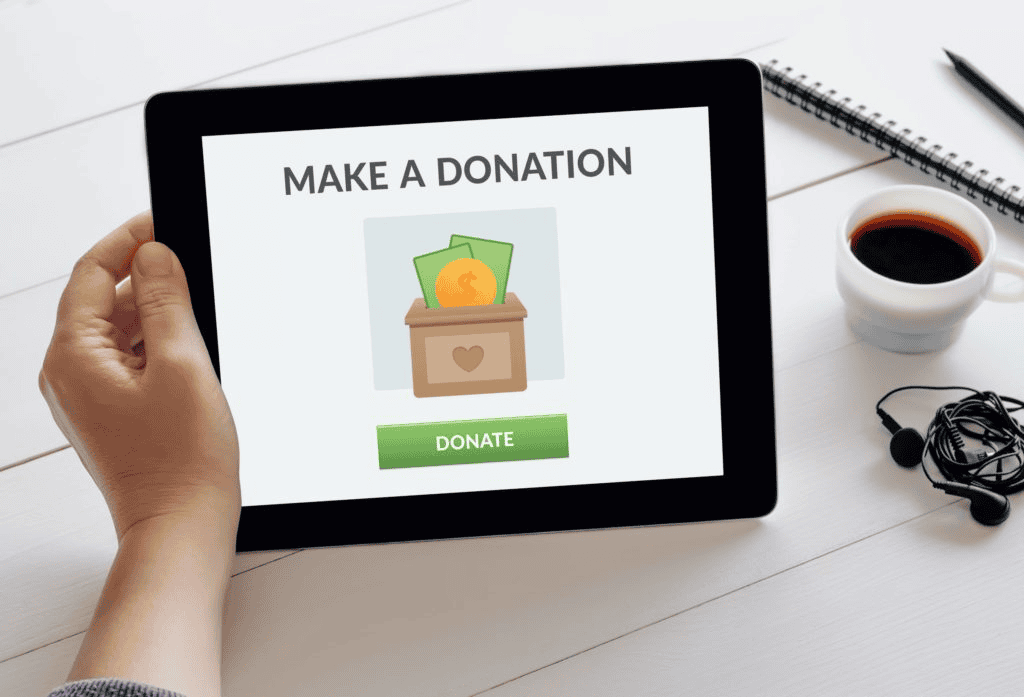
Leverage online platforms to reach a broader audience. Share compelling stories and visuals to encourage donations.
Platforms to Consider:
- GoFundMe: Ideal for personal and community projects.
- Kickstarter: Suitable for creative projects with specific goals.
- Indiegogo: Offers flexible funding options for various initiatives.
Collaborative Mural Projects
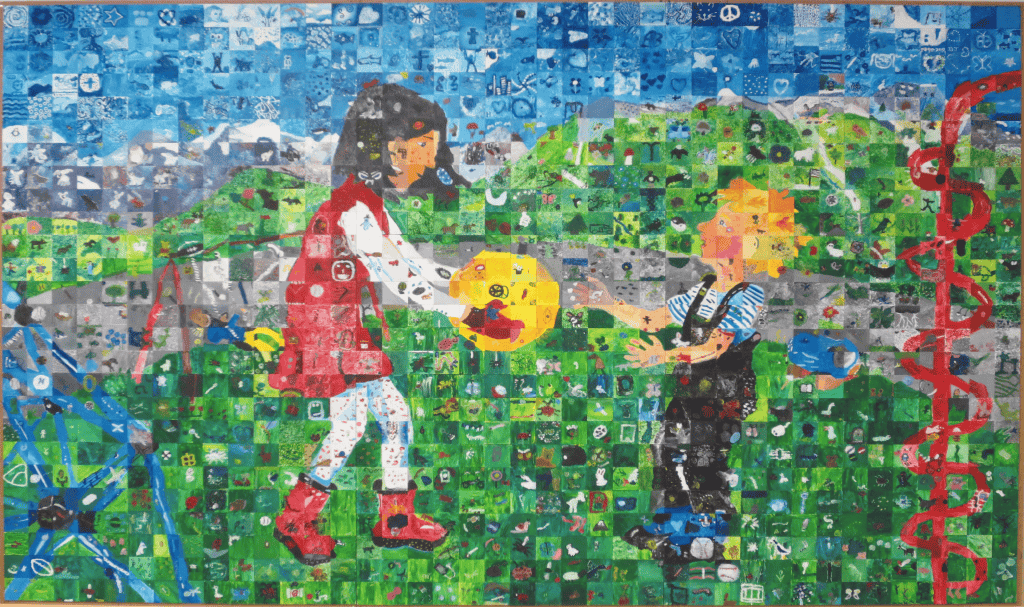
Engage the community in creating a mural. Participants can contribute by painting sections or sponsoring parts of the mural.
Benefits:
- Community Engagement: Fosters a sense of ownership and pride.
- Visibility: Public art increases awareness of the cause.
- Sponsorship Opportunities: Local businesses may sponsor materials or sections.Givebutter
Art Competitions
Organize competitions for different age groups or skill levels. Charge entry fees and offer prizes to winners.

Competition Ideas:
- Theme-Based Contests: Encourage artwork around specific themes or causes.
- Online Voting: Allow the public to vote for their favorite pieces, increasing engagement.
- Exhibition of Entries: Display submissions in a gallery or online showcase.wired.com+16Original Works+16Wikipedia+16analyticsearches.com+12Nonprofit Point+12GoFundMe+12
Artist Meet-and-Greets
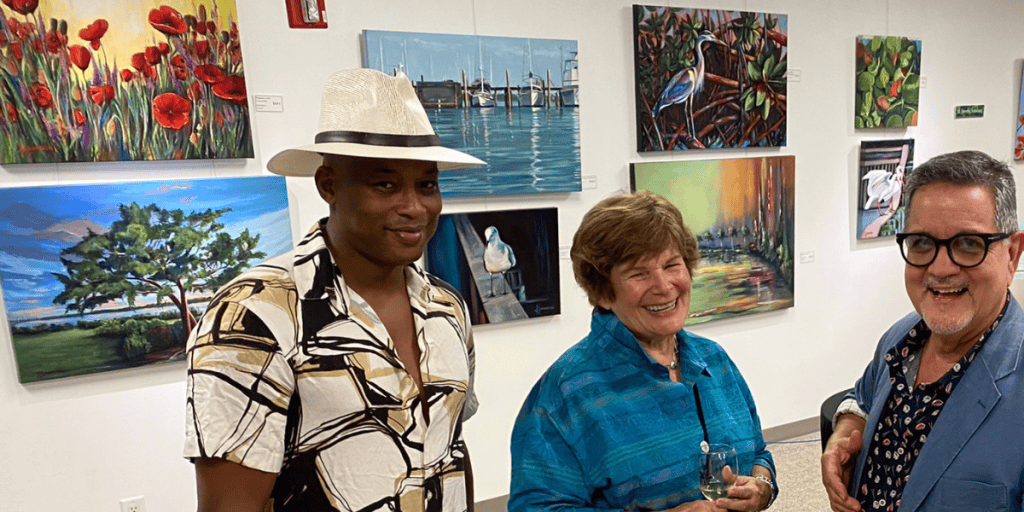
Host events where attendees can interact with artists. Include Q&A sessions, live demonstrations, or portfolio reviews.
Event Formats:
- Studio Tours: Provide insights into the artist’s creative process.
- Panel Discussions: Discuss topics relevant to the art community.
- Networking Events: Facilitate connections between artists and patrons.
Seasonal Art Fairs
Organize art fairs during holidays or local festivals. Vendors can rent booths to sell their artwork, with proceeds supporting the cause.
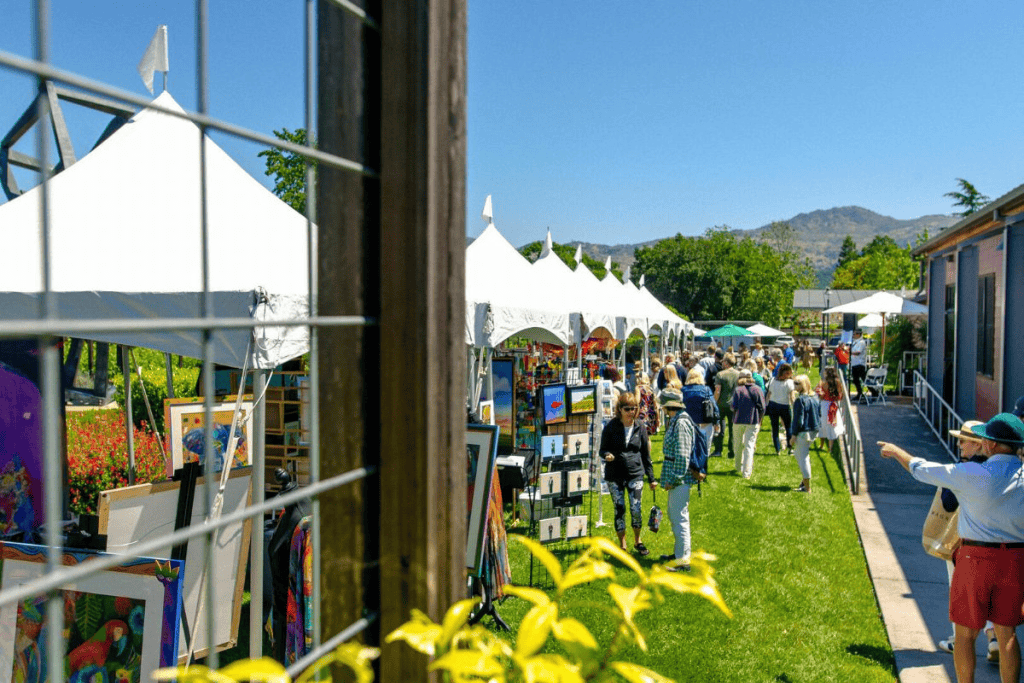
Planning Tips:
- Select a Venue: Choose accessible locations with high foot traffic.
- Vendor Recruitment: Invite a mix of established and emerging artists.
- Entertainment and Food: Enhance the experience with live music and food stalls.
Conclusion
Art fundraisers offer creative and engaging ways to support the arts within communities. By implementing these ideas, organizations can raise funds, increase awareness, and foster a deeper appreciation for the arts. Start planning your next art fundraiser today and make a lasting impact.
Related reading from Nonprofit Point
- donation jar copy that lifts art-event takings — Art fundraisers leak revenue at the physical donation jar — generic “support our cause” wording converts at half the rate of specific, project-anchored asks. Swap to outcome-bound copy and watch the same crowd give 1.5-2x more on the same night.
- reframing the art-fundraiser pitch — Calling it an “art fundraiser” lowers giving — the word “fundraiser” telegraphs obligation. Orgs that rebrand as “patron evenings,” “studio nights,” or “creator showcases” pull a different demographic and 15-25% larger average gift.
- humor-led asks for creative communities — Art-fundraiser audiences are the most allergic to corporate-speak. A well-crafted humorous ask — hook, gravity, close — re-engages lapsed patrons without the guilt-tax that polished nonprofit asks carry.
Art Fundraiser FAQs
What’s a realistic net for a first-time art-fundraiser auction with 20-25 donated pieces?
Plan on $2,800-$5,200 net depending on whether you charge a $20-$35 entry ticket and whether you secure a wine sponsor. Live art auctions clear roughly 40-55% of gross fair-market appraisal because donor-attendees bid emotionally up to about 60-70% of retail before pulling back. With 22 pieces averaging $250 appraised value (= $5,500 gross potential), expect $2,400-$3,300 in hammer revenue plus $800-$1,200 from 60-80 paid tickets. The single biggest lift is a silent-auction-into-live hybrid that lets every piece accumulate bids while you spotlight the top 5-7 for live competition.
How do you price tickets for an art fundraiser without scaring off the artists’ own collector base?
Two-tier the entry: $25-$35 general (open bar at one cocktail or unlimited wine pours) and a $75-$125 Patron tier that includes a tax-deductible donation portion plus first-30-minutes preview access before doors open generally. The Patron tier is where 60-80% of your net actually comes from because it self-selects buyers willing to spend $200-$1,500 on a piece. Lock the Patron number to 25-40 seats to keep the preview feeling exclusive; that scarcity is what justifies the $100 ticket and drives early sellout.
Which art mediums donate and sell best at fundraisers vs. which look great but underperform?
Original photography (8×10 to 16×20 framed), small-format paintings under 24 inches, and ceramic functional art (mugs, vases, serving boards) consistently clear 55-75% of retail at auction. Underperformers are large oil paintings over 30 inches (storage and transport scares casual buyers), abstract work without a clear focal point, and limited-edition prints over $300 – attendees discount these because they can buy a print online tomorrow. Mix the slate 50% photography/print, 30% small original, 20% functional/ceramic for steadiest yield.
What’s the best way to give a donating artist meaningful value when no money changes hands for them?
Three deliverables that artists actually want, in priority order: (1) high-resolution event photography of their piece on display and during bidding, delivered within 14 days for their portfolio and social posts; (2) a tax-deductible donation receipt at the appraised retail value (not wholesale or material cost – the IRS allows fair-market-value deductions for charitable contributions of created works); (3) inclusion in the event program with their bio, website, and Instagram, and a contractual line that the winning bidder’s contact will be shared with explicit consent for future commissions. Artists who get a commission-grade lead from one fundraiser will donate every year.