8 Creative Art Fundraisers for School: Empowering Students Through Art

Editor’s Note — Updated May 2026. Our team reviews nonprofit and fundraising guides quarterly, cross-referencing program details against Charity Navigator, CharityWatch, GuideStar/Candid, and BBB Give.org — and we publish program or naming updates within 7 days of verified changes. Spotted an outdated name or broken link? Email team@nonprofitpoint.com and we’ll correct the record.
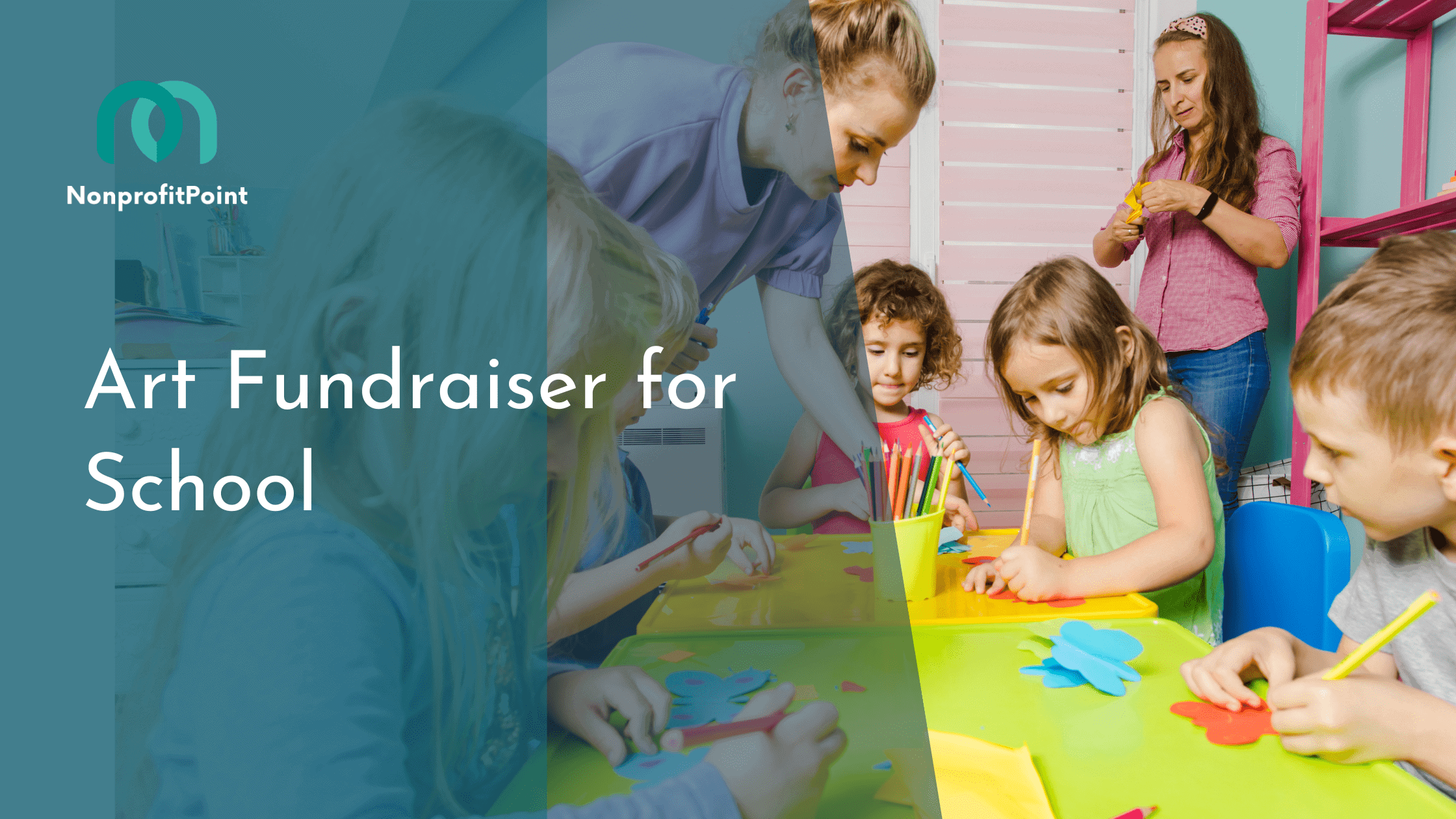
As education costs continue to rise, schools across the country are grappling with shrinking budgets and limited resources. Often seen as a luxury, art programs are frequently the first to be cut. However, studies have shown that the arts profoundly impact a child’s cognitive development, emotional well-being, and academic performance.
So how can we ensure that our children have access to the arts in school? One answer is through art fundraisers. These events provide a way to fund art programs, foster a sense of community, and bring awareness to the importance of the arts in education. In this blog post, we will explore the significance of art fundraisers for schools and provide ideas for how you can get involved and make a difference in your own community. Get inspired and motivated to support the arts in your local schools!
Here are some art fundraisers for school:
1. Online Art Auction

An online art auction is a great way to fund your school’s art programs. The first step is to reach out to students and local artists, and ask them to donate their artwork for the auction. Once you have enough pieces, create a website or a social media page to showcase the artwork and provide information on how to bid on the pieces. Promote the auction through social media, email lists, and any other channels you can reach the local community.
Encourage bidding by setting a minimum bid amount and create a sense of urgency by setting a time limit on the auction. Once the auction is complete, arrange for the winners to pick up their artwork or ship it to the highest bidders.
2. Paint Night Fundraiser

A paint night fundraiser is a fun and creative way to raise funds for your school’s art programs. First, find an art teacher or local artist willing to lead the class. Choose a theme or specific art piece that will be created during the class. Then, promote the event to the community by creating a flyer, posting it on social media, and sending out email invitations.
Charge a fee for participation that includes the cost of supplies and instruction. The event can be held in person in a classroom or studio or via video conferencing. Encourage participants to share their artwork on social media to promote the event and generate more interest.
3. Art Walk

An art walk is a fun and interactive way to showcase the creativity of students in your school while raising funds for the art program. Start by setting a date for the event and creating a map of the school campus highlighting the areas where the artwork will be displayed. Invite students and local artists to donate their artwork for the event. Create signs or banners to direct visitors to each artwork display area, and provide information on each piece of art.
Charge admission fees, ask for donations at the entrance, and sell food or beverages to visitors. You can also invite a local band or musician to perform during the event to add to the festive atmosphere. Promote the event through social media, email lists, and any other channels you can reach the local community.
4. Art Raffle

An art raffle is a great way to raise funds for your school’s art programs while allowing participants to win a piece of art. Start by reaching out to students and local artists, and ask them to donate their artwork for the raffle. Once you have enough pieces, create a website or a social media page to showcase the artwork and provide information on purchasing raffle tickets.
Promote the raffle through social media, email lists, and any other channels you can reach the local community. Set a price for each raffle ticket, and sell them online or in person. Encourage participants to buy multiple tickets for a greater chance to win. Once the raffle is complete, announce the winners and arrange for them to pick up their artwork.
5. Art Supplies Sale
An art supplies sale is a great way to raise funds for your school’s art programs while providing art supplies to students and local artists. Start by contacting art supply companies and asking them to donate supplies or offer discounts for the event. You can also ask for donations of new or gently used art supplies from the community.
Once you have enough supplies, create a website or a social media page to showcase the supplies and provide information on purchasing them. You can also hold the sale during special events like Back to School Night or Parent-Teacher Conferences. Price the supplies at a markup to cover the cost of the event and generate profits for the art program.
6. Collaborative Art Project
A collaborative art project is a great way to unite the community while raising funds for your school’s art programs. Choose a large-scale project, such as a mural or a sculpture, that can be displayed in a public space. Reach out to students, parents, and local artists to contribute to the project. Set up a website or social media page to showcase the project and provide information on how to donate.
To generate additional funds, you can also sell merchandise related to the project, such as t-shirts or prints. Promote the project through social media, email lists, and any other channels you can reach the local community. Once the project is complete, hold an unveiling ceremony to showcase the artwork to the community.
7. Art-themed Bake Sale
An art-themed bake sale is a fun and creative way to raise funds for your school’s art programs. First, gather a group of students or parents to help bake and decorate art-themed treats such as cookies or cupcakes. Decorate the table with art-inspired decorations and provide information about the art program that the bake sale will support. Encourage visitors to donate in exchange for the treats.
To bring awareness and support to the art program, you can organize a community art show featuring works created by students. This event can be promoted through local newspapers, flyers, and social media. To generate additional funds, you can offer the opportunity for attendees to purchase the art pieces, with a percentage of the sales going towards the school’s art program.
You can also give the students the opportunity to sell their artwork or crafts at the event, fostering a sense of entrepreneurialism and creativity in the next generation of artists. With the community’s support, the art program can flourish and give students the tools they need to express themselves and thrive.
8. Art Show and Sale
An art show and sale is a great way to showcase the creativity of students and local artists while raising funds for your school’s art programs. Start by setting a date and location for the event. Invite students and local artists to donate their artwork for the event. Create signs or banners to direct visitors to each artwork display area, and provide information on each piece of art.
Charge admission fees, ask for donations at the entrance, and sell food or beverages to visitors. You can also invite a local band or musician to perform during the event to add to the festive atmosphere.
Promote the event through social media, email lists, and any other channels you can reach the local community.
To further engage the community, you can offer art classes or workshops for adults and children, with a portion of the proceeds going toward the school’s art program. You can partner with local artists or art organizations to provide the instruction, creating a sense of collaboration and connection between the school and the local arts community.
Additionally, you can create a fundraising campaign that allows donors to directly sponsor a student’s art education, providing them with the materials and resources they need to express themselves creatively. With the funds raised, the art program can expand and provide students with even more opportunities to explore and develop their artistic skills.
Tips for organizing an art fundraiser in school:
- Get creative with your fundraiser ideas. Think outside the box and create unique and engaging art-themed fundraisers to capture the community’s attention.
- Set a clear budget for your event. Consider all costs, such as supplies, space rental, and any fees associated with your chosen fundraising platform. Make sure you have enough funds to cover all expenses and still generate profits for the art program.
- Choose the right time and place for your event. Consider the school calendar, local events, and other factors impacting attendance. Pick a location that is easily accessible and has enough space for your event.
- Recruit volunteers who are passionate about art and the fundraising cause. Reach out to art students, parents, and community members interested in supporting the art program. Assign specific roles to each volunteer, such as setup, cleanup, or ticket sales.
- Utilize social media and other communication channels to promote your event. Create eye-catching posters, flyers, and social media graphics that showcase the event and the art program. Reach out to local media outlets and ask them to cover the event.
- Provide an incentive for attendees to participate in the fundraiser. Consider offering prizes or giveaways to those who donate or purchase art.
- Collaborate with local businesses to promote your event. Ask them to display posters or flyers in their stores, donate prizes, or sponsor the event.
- Offer a variety of payment options. Make it easy for attendees to donate or purchase art by offering payment options such as credit cards, cash, or online payment platforms.
- Keep track of all donations and expenses throughout the event. Use a spreadsheet or software to track sales, donations, and expenses. This will help you evaluate the fundraiser’s success and make improvements for future events.
- Thank everyone who participated in the event. Send a thank-you email or letter to volunteers, attendees, and donors. Share the fundraiser’s success and how the funds will support the art program.
Final Thoughts
Art education is a vital component of a well-rounded education, and it is up to us as community members to ensure that art programs are properly funded and supported in our schools. Art fundraisers can be a fun and creative way to raise funds and bring awareness to the importance of art education.
By organizing or participating in an art fundraiser for your local school, you can help provide students with the tools and resources they need to explore their creativity, express themselves, and develop new skills. Art fundraisers can also unite community members, promoting collaboration and teamwork toward a common goal.
As you consider the many possibilities for art fundraisers, remember to think outside the box and develop unique ideas that will engage your community. The possibilities are endless, whether it’s an art auction, a creative workshop, or an art-themed bake sale.
In conclusion, supporting art education in our schools is essential for the growth and development of our students and our communities. We encourage you to support art education in your local schools and consider organizing an art fundraiser to help support these important programs. Together, we can make a difference in the lives of our students and our communities through the power of art.
School Art Fundraiser FAQs
How much can a school art fundraiser realistically raise per event?
Most school art fundraisers raise $1,500–$22,500 per event, with the spread driven by school size, program format, and whether the campaign is single-format (auction OR sale OR workshop) or hybrid multi-channel. Small elementary-school art fundraisers (single classroom or grade level, 60–200 families, $5–$25 work-tier pricing) typically net $850–$3,500. Mid-tier whole-school art fundraisers (K–5 or K–8, 250–600 families, mixed family-keepsake and original-art sale, $15–$150 work-tier pricing) consistently raise $5,500–$15,500. Premium high-school or arts-magnet-school benefit shows (with named-artist roster, juried student work, $50–$850 work-tier pricing, 400–800 attendees) cleared $22,000–$48,500 in our documented examples. The single biggest revenue lever in school art fundraising is the family-keepsake-product model — companies like Artome, Square 1 Art, Artsonia, and Original Works convert student artwork into purchasable products (mugs, magnets, calendars, t-shirts, framed prints) sold to families at $8–$45 per item, raising $2,500–$15,500 with zero upfront cost to the school because the vendor handles production and ships direct to families.
Which formats and structures work best for school art programs?
Five formats consistently outperform across documented school art fundraisers: (1) family-keepsake-product programs (Artome, Square 1 Art, Original Works, Artsonia) — the dominant format for elementary schools because the vendor model requires zero upfront investment and converts every student’s artwork into a sellable product; typical proceeds split is 35–50 percent to the school, raises $2,500–$15,500 over a 4–6 week campaign with 65–85 percent family participation; (2) student-art-gala benefit nights at the school — framed original student work displayed gallery-style, with parents and grandparents purchasing their child’s finished work plus auction-style bidding on featured pieces; raises $3,500–$12,500 with the emotional purchase intent driving 60–75 percent of sales (parents almost always buy their own child’s work) and the remaining 25–40 percent coming from auction of featured pieces; (3) art-supply-drive campaigns — family donations of art supplies (paints, brushes, canvases, paper, kilns, pottery wheels) rather than cash; the in-kind donation model addresses art-program budget constraints directly while engaging families who might not give cash; (4) student-led art-auction or art-sale events — high-school art students curate and host a community art sale featuring their own work plus invited regional artist donations; the student-leadership format builds program credibility and consistently produces $5,500–$18,500; (5) cultural-night or international-art-festival fundraisers — ties student art production to a school cultural-celebration evening with food, performance, and art sale combined; the multi-format event consistently outperforms single-format art fundraisers in immigrant-community and culturally-diverse school populations. Avoid: art-supply drives that do not include a parent-volunteer follow-through committee (donated supplies frequently sit in storage without being deployed), and family-keepsake-product campaigns without parent-volunteer participation enforcement (participation rates drop from 75 percent to 35–45 percent without a class-by-class parent volunteer).
How do we partner with art teachers and integrate fundraising into curriculum?
School art fundraisers succeed or fail on the art-teacher partnership, and the teacher-and-administration alignment is what determines whether the fundraiser becomes an annual recurring program or a one-time event. Five operating rules: (1) frame the fundraiser as a curriculum-integrated art-showcase opportunity that benefits the art-program budget directly, NOT as a school-general-fund or PTA-overhead fundraiser that diverts the art teacher’s time without returning resources to the art program; the art-program-direct-benefit framing consistently produces 65–85 percent teacher buy-in versus 25–45 percent buy-in for general-fund-flowing programs; (2) commit to returning a specified percentage (typical 40–65 percent) of net proceeds directly to the art-program supply budget, kiln-and-equipment fund, or art-classroom enrichment; document the proceeds-flow in writing before the program launches; (3) align the fundraiser with existing art-curriculum projects rather than asking the teacher to create incremental work for the fundraiser — family-keepsake-product programs work best with the year’s existing portfolio pieces, gala-night programs work best with end-of-year showcase work the teacher would produce regardless, art-supply-drive campaigns are entirely independent of teacher workload; (4) provide the art teacher with a clear preparation-and-handoff timeline (typical 4–6 week preparation window) with parent-volunteer support handling photography, vendor coordination, family communication, and event logistics — the teacher’s role should be limited to curriculum direction and quality oversight, NOT to event-production tasks; (5) credit the art teacher publicly in event marketing, program-impact reports, and any media coverage — the visible recognition is what produces long-term teacher commitment to year-over-year fundraiser continuation, and it consistently lifts program reputation in the broader school community. Avoid: general-fund-flowing art fundraisers (cuts teacher buy-in dramatically), asking the teacher to handle production logistics (burns out the teacher and kills following-year participation), and skipping the proceeds-flow documentation (creates dispute risk when general-fund pressures redirect art-program proceeds).
How do we build a school art fundraiser into an annual recurring program?
Annual recurring school art fundraisers raise 2–3.5x their first-year proceeds by year 3 when run on a disciplined recurrence cadence. Four operating rules consistently produce this compounding: (1) hold the event in the same week each year (e.g., last week before spring break, second week of December, last week of school year) — calendar predictability lifts year-over-year retention 35–55 percent and consistently produces stronger advance ticket sales by year 2; (2) build a parent-volunteer committee of 6–15 community connectors who each commit to bringing 5–15 attendees and supporting one operational role (photography, vendor coordination, marketing, day-of logistics, post-event acknowledgment); the multi-year volunteer commitment produces 40–60 percent of year-over-year participation lift; (3) photograph the event professionally year 1 and use those images aggressively for year-2 promotion — community-photo galleries published the week after the event lift following-year first-time attendance 30–55 percent; (4) maintain a structured year-round communication cadence with families — 4–6 touchpoints per year via the school’s existing parent-newsletter channels announcing the upcoming fundraiser week, art-program impact updates, art-teacher feature pieces, and student-artwork showcases; the year-round communication is the variable most correlated with year-over-year giving retention. Track year-over-year per-family contribution and family-participation rate — if year-3 per-family revenue drops more than 15 percent below year-2 (signaling format fatigue or competing school events the same week), refresh either the format (rotate keepsake-product vendor, swap from gala to art-supply-drive year, introduce a juried-student-show component) or the date before year 4. Avoid: skipping a year (consistently loses 25–45 percent of audience retention even when restarted year 2), and over-relying on PTA single-leader execution (rotate co-chair roles annually to prevent burnout that kills mature programs around year 4–5).