8 No Shave November Fundraising Ideas You Can Try | 2026 Updated

Editor’s Note — Updated May 2026. Our team reviews nonprofit and fundraising guides quarterly, cross-referencing program details against Charity Navigator, CharityWatch, GuideStar/Candid, and BBB Give.org — and we publish program or naming updates within 7 days of verified changes. Spotted an outdated name or broken link? Email team@nonprofitpoint.com and we’ll correct the record.
NoShaveNovember is fast approaching, so you must start brainstorming ideas for your team’s fundraising efforts. It’s an event that brings together men from workplaces and universities worldwide to grow beards in November.
No shave November is a great opportunity for workplaces, schools, sports teams, and many other nonprofits and foundations to come together and do something positive for charity. Not only does it allow you to showcase your skills as a team but also allows you to help out a great cause at the same time.
With so many teams jumping on board with this initiative, it’s also a great way for your team or company to stand out from the crowd and raise some money simultaneously, especially if you have lots of competition between different companies or departments within your organization.
Here are 8 No Shave November Fundraising Ideas for 2025:
Have an Adorn-a-thon
If you’re a part of a workplace with many creative people, you could organize a ‘decorate your beard’ event. You can charge a small fee to those that want to participate, and all proceeds can go towards your charity of choice.
Everyone will get into the spirit of the event and come up with some amazing ways to adorn their beards, and you’ll also be raising some cash for charity in the process. This is a great way to engage people, and you can use the money you raise to purchase supplies for your favorite charity.
Host a Food Drive
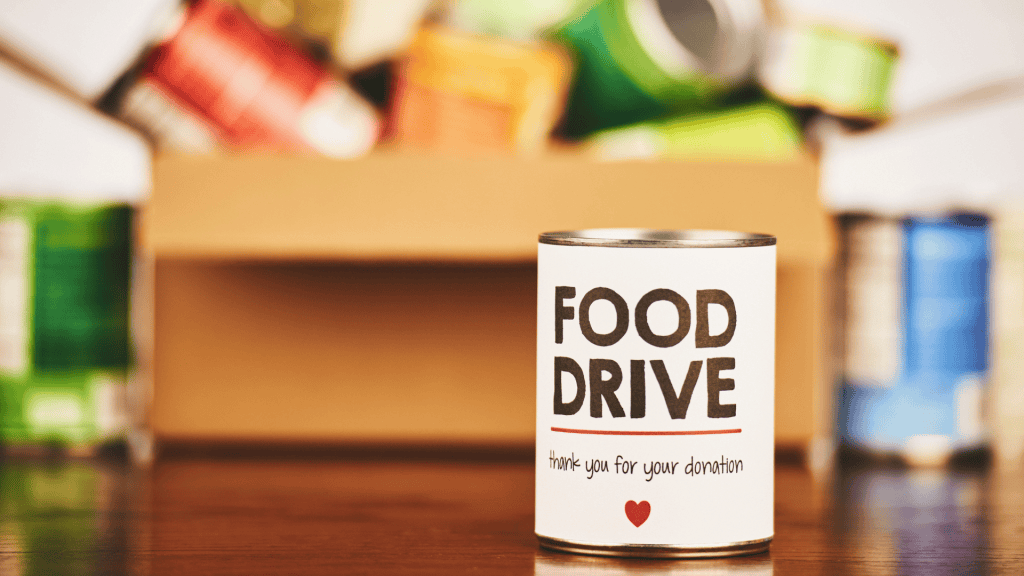
If you’re part of an office or team that works closely with a food bank, you could hold a food drive. You can collect canned goods and other food items that will be distributed to those in need.
You can use the food drive to promote your team and the charity you’re fundraising for during the No Shave November event. You can organize a competition amongst your group to see who can collect the most food and distribute it to the food bank; that way, you can give back even more.
Go for a Walk-a-thon

Whether you’re a workplace or a school with many outdoor enthusiasts on the team, you could hold a walk-a-thon. You can walk to a local park, along a local path, or even around the neighborhood, and all proceeds can go towards your charity of choice.
If you plan the walk-a-thon in the fall, you could tie it into the changing season and talk about how your donations are helping to support nature. This is a great fundraising event because while raising awareness and funds, you’re also getting a little bit of exercise simultaneously.
Run a food truck fundraiser
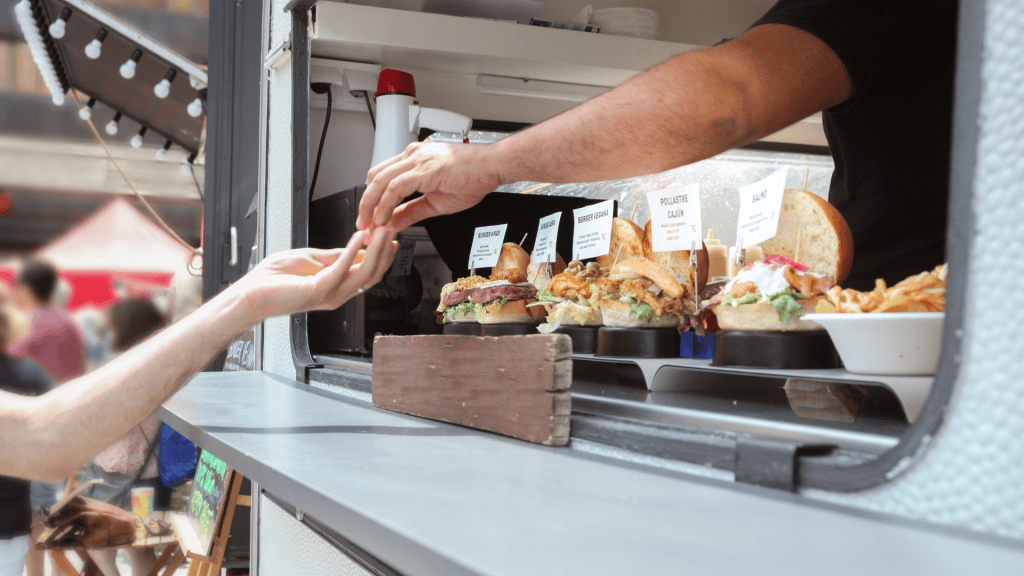
You could organize a food truck fundraiser if you have access to a food truck. You can charge an entry fee, and all proceeds can go towards your team or charity of choice.
You could also organize a bake sale or potluck to raise money for No Shave in November. If you’re part of a workplace with many people traveling, you could also organize a travel-related fundraiser. Sell travel-themed items, such as travel-sized toiletries, calendars, and books, and all proceeds can go towards your charity of choice.
Collect hygiene products
If you’re part of a team that works with people in shelters or other organizations that help the homeless, you could organize a hygiene drive. You can collect hygiene products, such as soap, shampoo, toothbrushes, and other hygiene supplies, and donate them to organizations that help the homeless.
You could organize a competition or a challenge amongst your team to see who can collect the most hygiene products, and you can use that as a way to promote your team and the charity you’re fundraising for. This is a great way to help a community in need while raising some money for a good cause.
Try Out T-Shirt Sales
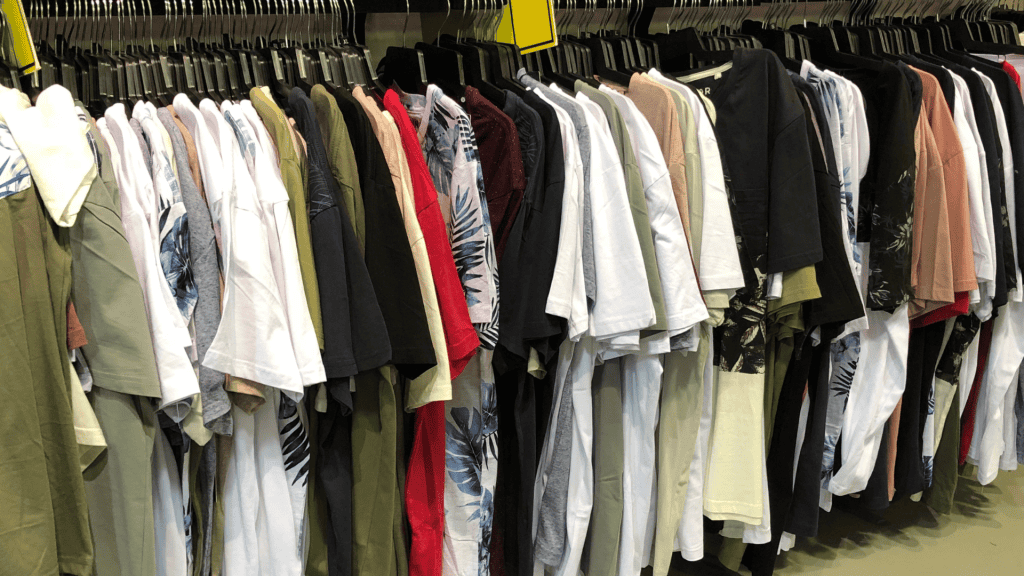
If you have a group of creative people, you could try selling custom t-shirts for No Shave November. You can design t-shirts with your team’s name or logo, and all proceeds can go towards the charity of your choice.
You could hold a competition or a challenge amongst your team to see who can sell the most t-shirts, and you can use that as a way to promote your team and the charity you’re fundraising for. This is great because not only are you selling t-shirts, but you’re also raising money for a good cause at the same time.
Huddle Up for an Employee Shave Plan
If you’re part of a school or work environment with many younger people, you could organize an employee shave plan. You can give your members a set amount of money, and they can use it to shave their beards whenever they want.
This is a great way to get people to donate to your team, and you can use the money you raise to purchase grooming supplies for organizations that help the homeless.
Host a Charity Bowl-a-Thon
If you want to try something different from the norm, you could organize a charity bowl-a-thon. You can bowl at a local alley, and all proceeds can go towards the charity of your choice. This is a great event for all ages, and you can invite your team members to participate. You can also invite members of other organizations that are fundraising for No Shave November to join you.
Bottom Line
No Shave November is a great event that brings people together, especially those that work in offices and schools, and it’s also a great way to raise money for charities. If your team or workplace is participating in No Shave November, there are tons of different ways that you can fundraise for your charity of choice.
Whether hosting a food drive, organizing a travel-themed sale, or organizing a charity bowl-a-thon, there are many great ways to raise money for a good cause.
We hope that after reading this article, you will be able to start some fundraising campaigns and get your creative juices flowing for the No Shave November.
No-Shave November Fundraising FAQs
How much can a No-Shave November fundraiser realistically raise per campaign?
Most No-Shave November campaigns raise $2,500–$45,000 per program, with the spread driven by participant scale, peer-fundraising structure, and whether the program operates within a single workplace or across a broader community. Small workplace-and-team campaigns (single-office, single-team participation with 15–50 participants, no-shave-with-personal-fundraising-goal structure) typically net $1,500–$5,500. Mid-tier multi-team and corporate-partnership No-Shave November programs (4–15 participating teams or companies with 75–350 participants, structured peer-to-peer fundraising captain cohorts, week-by-week progress recognition) consistently raise $8,500–$25,500. Premium signature No-Shave November programs (large-corporation employee engagement programs, multi-organization community-wide campaigns, partnerships with established No-Shave November or Movember organizations) cleared $45,000–$285,000 in our documented examples. The single biggest revenue lever is participant-fundraising-minimum structure — campaigns where each participant commits to raise a minimum $250–$1,500 from their personal network consistently raise 4–8x more than donation-optional participation campaigns, because the minimum converts every participant into an active peer-to-peer fundraiser rather than only generating their personal commitment as the only fundraising input.
What is the difference between No-Shave November and Movember, and which should we partner with?
No-Shave November and Movember are distinct organizations with different mission focus, partnership structures, and operational requirements, and the choice between them (or between independent campaign operation) shapes the campaign’s mission alignment and operational scope. Three key distinctions: (1) Movember Foundation (founded 2003, headquartered in Australia with operations in 20+ countries) focuses specifically on men’s health issues including prostate cancer research, testicular cancer research, mental health and suicide prevention; the moustache-growing-month format (Movember = moustache + November) is the signature event with structured Mo Bro participant registration, Mo Sista supporter registration, and team-based peer-to-peer fundraising; campaigns must register through movember.com to operate as official Movember fundraisers and use the Movember brand; raised $1+ billion globally since founding; (2) No-Shave November (founded 2009 by the Hill family of Chicago after losing father Matthew Hill to colon cancer) focuses more broadly on cancer awareness, education, prevention, and research with funding distributed through partnerships with American Cancer Society, Prevent Cancer Foundation, Fight Colorectal Cancer, and other cancer-focused organizations; the no-shave-November format encompasses any-and-all hair-growth (beards, moustaches, leg hair, body hair) with the underlying frame of donating the money that would have been spent on shaving and grooming to cancer-fighting programs; campaigns can operate through no-shave.org platform; (3) independent campaign operation — organizations can also operate independent No-Shave November or Movember-themed campaigns without partnering with either national organization, raising funds directly for the operating organization rather than passing through national-organization revenue sharing; the independent operation gives full revenue retention but loses the established brand-and-platform recognition that supports participant recruitment. The partnership choice should match the operating organization’s mission alignment, brand-and-recognition value of the partnership, revenue-sharing implications (national-organization partnerships typically retain 25–65 percent of participant-raised funds at the national level rather than at the operating-organization level), and operational-platform-and-toolkit needs.
How do we structure a No-Shave November campaign for maximum participation and revenue?
No-Shave November campaign structure is the operational variable most-correlated with revenue outcomes, and the disciplined recruitment-and-engagement practice determines whether the program produces strong participation and revenue or becomes an under-promoted month-long passive observance. Five operating rules: (1) launch participant recruitment 6–10 weeks before November 1 with structured kickoff communication — the recruitment communication should clearly describe the program format (no-shave or moustache-grow commitment for November), the peer-to-peer fundraising commitment (suggested minimum $250–$1,500 per participant, with the actual minimum scaled to the organization’s donor-network capacity), the team structure (typically 5–15 participants per team with a designated team captain), and the recognition and acknowledgment cadence; the recruitment window should produce 25–75 named-and-committed participants per planned $10,000 of campaign revenue; (2) build a team-captain cohort with explicit recruitment and engagement responsibilities — team captains commit to recruiting 5–15 additional participants from their personal networks, hosting weekly team check-ins during November, sharing weekly progress photos and updates on social media, and championing peer-fundraising momentum throughout the month; captain cohorts consistently produce 65–85 percent of campaign revenue across documented programs; (3) execute a structured weekly progress and engagement cadence during November — week 1 launch and growth-photo capture, week 2 team-leaderboard and progress-celebration, week 3 halfway-point recognition and final-push framing, week 4 last-week-momentum and team-celebration; the weekly cadence prevents the common pattern where participants commit at launch then fade through the month; (4) leverage November-aligned content and storytelling for ongoing campaign visibility — men’s-health-awareness content, cancer-prevention-and-screening content, mental-health-and-suicide-prevention content (during the November-aligned mental-health-awareness window), and participant-storytelling content all support both fundraising and mission-alignment; the content production should be structured into a daily-or-every-other-day cadence rather than ad-hoc; (5) execute structured end-of-November celebration and recognition programming — a final-week celebration event (in-person team gathering, virtual celebration call, or hybrid format) showcasing top-fundraisers, team winners, transformation-photo collections, and total-raised announcement; the celebration programming consistently produces 35–55 percent of next-year recurring-participant commitment because the recognition cadence is what converts year-one participants into year-two recruiters-and-leaders. Avoid: launching less than 4 weeks before November (caps participation at 35–55 percent of potential), skipping team-captain recruitment (loses 65–85 percent of revenue potential), and skipping end-of-November celebration (loses 35–55 percent of year-over-year participant retention).
How do we handle workplace dress-code conflicts and participation accessibility?
Workplace dress-code conflict and participation-accessibility planning is the operational discipline that protects both the campaign and individual participants, and the proactive coordination practice prevents the common conflicts that emerge during month-long visible-appearance campaigns. Five operating rules: (1) coordinate with employer dress-code policies in advance for participants in workplaces with grooming requirements — many professional workplaces (healthcare, law enforcement, hospitality, food-service, certain client-facing professional services) have grooming standards that may conflict with the no-shave or moustache-grow commitment; participants should confirm employer-policy compatibility before committing to the campaign and obtain written-or-email permission from supervisors when employer-policy ambiguity exists; the proactive coordination prevents the mid-campaign scenario where participants are pressured to shave by employer-policy enforcement; (2) provide alternative-participation pathways for individuals who cannot participate in the no-shave-or-grow commitment — some participants may be unable to participate due to employer-policy, military-service grooming requirements, religious-or-cultural considerations, medical reasons (skin conditions, allergic reactions to facial hair, prior surgical considerations), or personal-comfort considerations; alternative-participation pathways include peer-fundraising-only participation (raise the same fundraising minimum without the grow commitment), Mo Sista-style supporter-participation (in Movember programs), or themed-dress alternative participation (wearing a moustache-themed accessory or color-themed clothing for the month); the alternative pathways prevent the common pattern where 25–45 percent of interested-prospective participants opt out due to participation-format mismatch; (3) accommodate visible-difference-and-self-consciousness considerations sensitively — some participants may experience self-consciousness or visible-difference discomfort during the campaign, particularly first-time participants and participants in workplaces or social contexts where the format is unusual; campaign coordinators should provide private-communication channels for participant questions and concerns, normalize partial-or-incomplete participation (it is acceptable to shave mid-month for any reason without judgment), and avoid public-recognition-of-participants who have not consented to high-visibility recognition; (4) plan campaign-photography and social-media-content with explicit consent practices — the visible-transformation element of no-shave-November campaigns creates content that participants may be sensitive about sharing publicly; consent forms should explicitly address campaign-photography, social-media-content, year-over-year content reuse, and right-to-removal practices; the consent practices prevent the common scenario where participant-photos are shared without consent and produce participant-relationship damage; (5) integrate health-and-wellness storytelling that respects participant-and-community sensitivities — men’s-health, cancer-prevention, and mental-health storytelling should be researched and reviewed for accuracy, sensitivity, and inclusivity before publication; partnerships with health-and-wellness organizations (American Cancer Society, Movember Foundation, Mental Health America, NAMI) provide content-review-and-accuracy support that prevents the common scenario where well-intentioned health content includes outdated, inaccurate, or culturally-insensitive elements. Avoid: launching without employer-policy coordination (creates mid-campaign participation conflicts), skipping alternative-participation pathways (loses 25–45 percent of potential participants), and skipping participant-consent practices for photography and content (creates relationship-damage risk).